An insightful, intelligent and comprehensive analysis of the Monday Night Meeting between senior Celtic Executives and the Celtic supporters representatives led by the recently formed Celtic Fans Collective…


Celtic Fans Collective, Founded September 2025.
This is an extended version of eight articles from Celtic writer Niall J that have appeared on The Celtic Star over the weekend. It’s hoped that by combining into one longer feature this will be widely shared across the Celtic support, so please help with that if you can.
The eight chapters each appear on a separate page and are titled as follows.
1. Monday Night Meeting – “World class in everything we do.” Really, Michael
2. Who is responsible when Celtic keeps making the same mistakes?
3. Modernisation and why Celtic should accept premise of the question
4. How Celtic engages with fans, or more accurately how it doesn’t
5. A credible Fan Advisory Board would mark a cultural shift at Celtic
6. Review of Non-Executive Directors request plus questions for Celtic AGM
7. Celtic’s culture of risk aversion, of comfort, of self satisfaction disguised as prudence
8. There’s a new kind of conversation between the club and Celtic Fans Collective

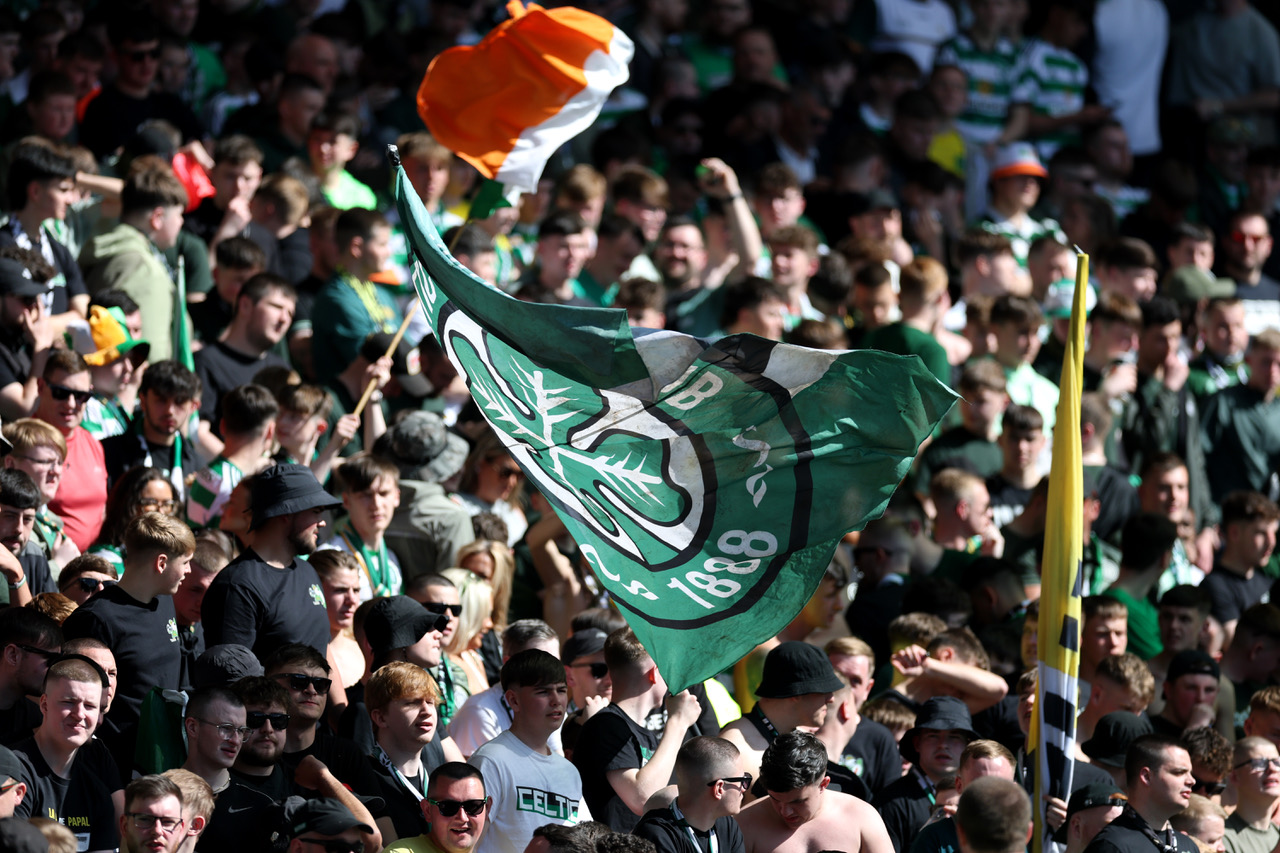
Celtic supporters shows their support at full-time following the victory in the Scottish Cup Semi Final match between St Johnstone and Celtic at Hampden Park on April 20, 2025. (Photo by Ian MacNicol/Getty Images)
If you’ve already read some of these article simply skip past the relevant page. Please leave your feedback in comments and also share if you can.
Let’s get started with Niall J’s first ‘chapter’…
Monday Night Meeting – “World class in everything we do.” Really, Michael?


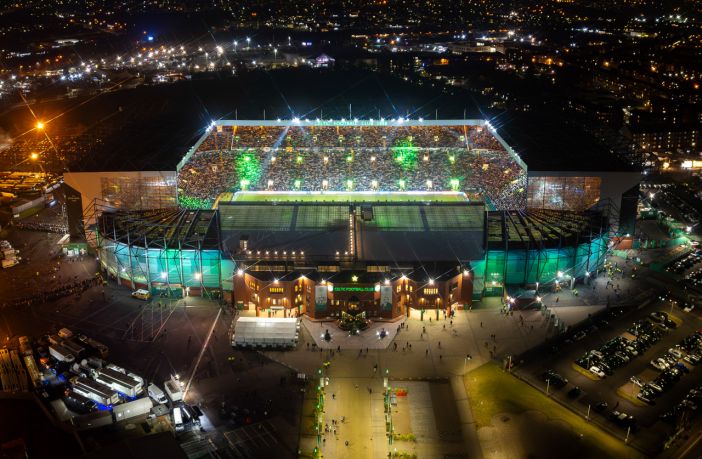
Celtic v BSC Young Boys, view of Paradise from the sky. Photo Vagelis Georgariou
When Celtic CEO Michael Nicholson opened Monday’s meeting with representatives from across the fan base, he reached for a familiar line. Celtic, he said, aims to be “world class in everything we do.”

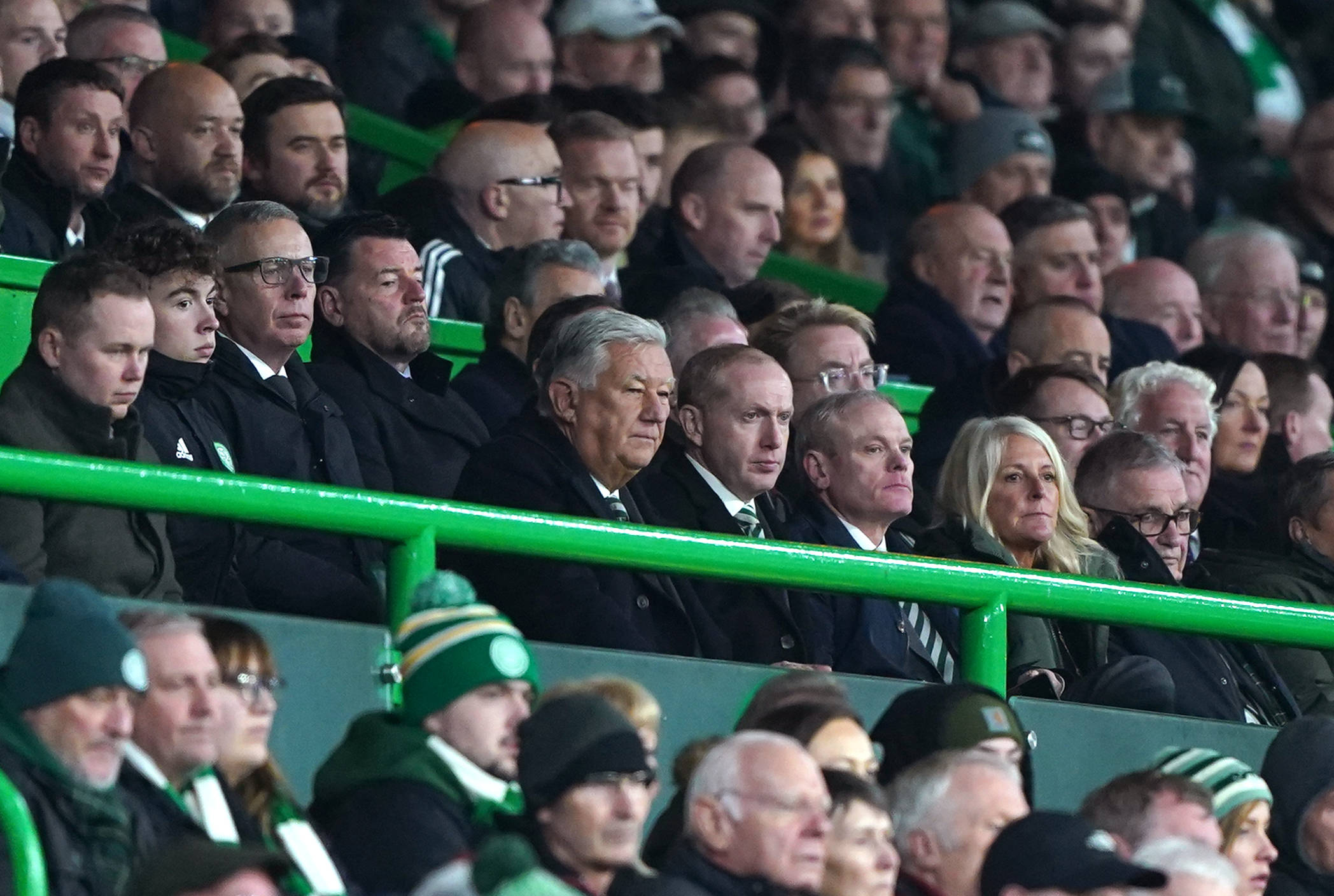
Celtic v St Mirren – Peter Lawwell and Michael Nicholson in the stands during the cinch Premiership match at Celtic Park, Wednesday November 1, 2023. Photo Andrew Milligan
It’s a phrase that has become something of a slogan under Nicholson’s leadership, polished, aspirational, and reassuringly corporate. But for many supporters, it feels increasingly disingenuous. Because for all the talk of world-class ambition, the evidence on the pitch and behind the scenes tells a very different story.
Nicholson outlined what he described as the pillars of the club’s long-term strategy, a self-sustaining model built around academy development, player trading, and investment in infrastructure, particularly Lennoxtown and the recently redeveloped Barrowfield site. On the surface, these are sensible priorities. Every club of Celtic’s size has to operate within its means, and facilities like Lennoxtown should, in theory, be the backbone of sustained success. The problem is not in the theory, it’s in the execution.

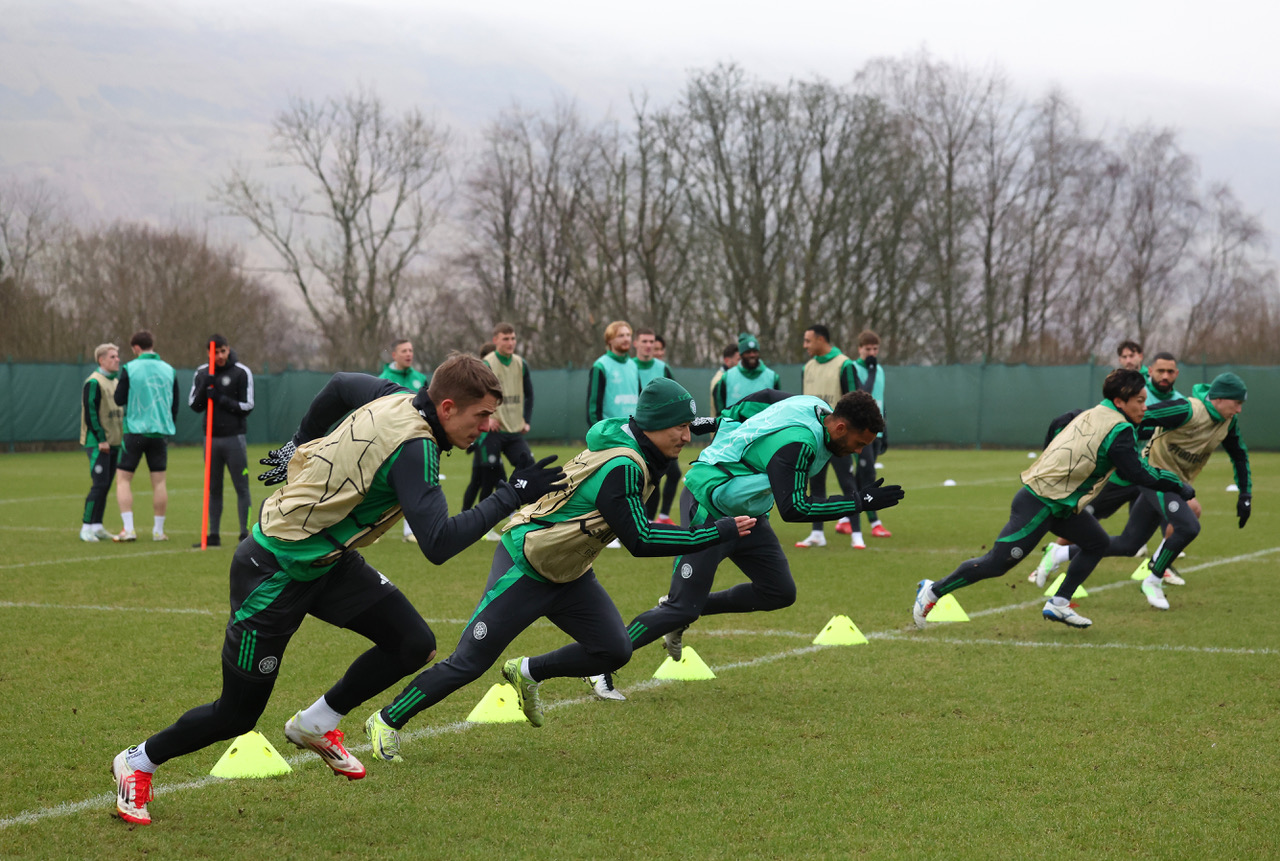
Celtic players during the UEFA Champions League Training at Lennoxtown Training on February 11, 2025. (Photo by Ian MacNicol/Getty Images)
The bricks and mortar of Lennoxtown and Barrowfield are often presented as proof of progress. Yet many within the support argue that these projects, while laudable, didn’t go far enough. The facilities themselves are only part of the equation, what matters is the people, the processes, and the performance culture within them. Celtic have invested in the buildings, but has the club built the human infrastructure required to make them truly elite?
The results suggest otherwise. The production line from the academy has all but dried up. If the goal is to develop players capable of competing at Champions League level, then Kieran Tierney, who made his debut in 2015, remains the last graduate to meet that standard. A decade without a comparable successor is not evidence of a thriving academy system. It’s a sign of stagnation.


Kieran Tierney of Celtic arrives at the stadium prior to the UEFA Champions League Play-offs Round First Leg match between Celtic and Kairat Almaty at Celtic Park on August 20, 2025. (Photo by Ian MacNicol/Getty Images)
The same applies to the so-called “player trading model.” The club often speaks of player trading as if it were a coherent strategy, when in truth it is little more than a by-product of occasional success. Trading implies structure, players developed or acquired at value, sold at the right time for maximum return, and replaced seamlessly by either an academy product or a pre-identified signing. That is what an actual player trading strategy looks like.


Photo Vagelis Georgariou
At Celtic, it feels far more opportunistic. Players are sold reactively rather than strategically, replacements are scrambled for late in the window, and the balance of the squad suffers as a result.
It’s hard to point to a single instance where Celtic have executed a sale and succession plan cleanly and deliberately. The repeated insistence that “the market is complex” has become a catch-all excuse rather than an explanation.
When pressed on this point, Nicholson and CFO Chris McKay said that transfers depend on multiple variables, player intent, negotiations, tax considerations, and the general unpredictability of the market. They also confirmed that an internal review of the summer 2025 transfer window is underway. But we’ve been here before.
In 2023, there was also a review. The results were never shared, and the same issues resurfaced. Without independence, transparency, or accountability, these reviews amount to little more than the club marking its own homework, and to a grading scale of its own design.
Supporters are not demanding miracles, we’re demanding competence, foresight, and honesty.
Celtic Fans Collective, Founded September 2025.
Perhaps the most striking disconnect between boardroom and fanbase lies in ambition. One fan representative at Monday’s meeting described Celtic’s current mentality as “Rangers plus one”. A phrase that captures the feeling that domestic dominance has become both the ceiling and the comfort zone. The club, in turn, pointed to league titles and Champions League participation as evidence that the model is working. But that word, “participation,” is telling.
Participation is not the same as competition. Celtic’s ambition, as articulated by the CEO, is to be present in the Champions League, not necessarily to make a meaningful impact within it. For a club of Celtic’s stature, one that sees itself as belonging on that stage, that is a damningly modest benchmark.

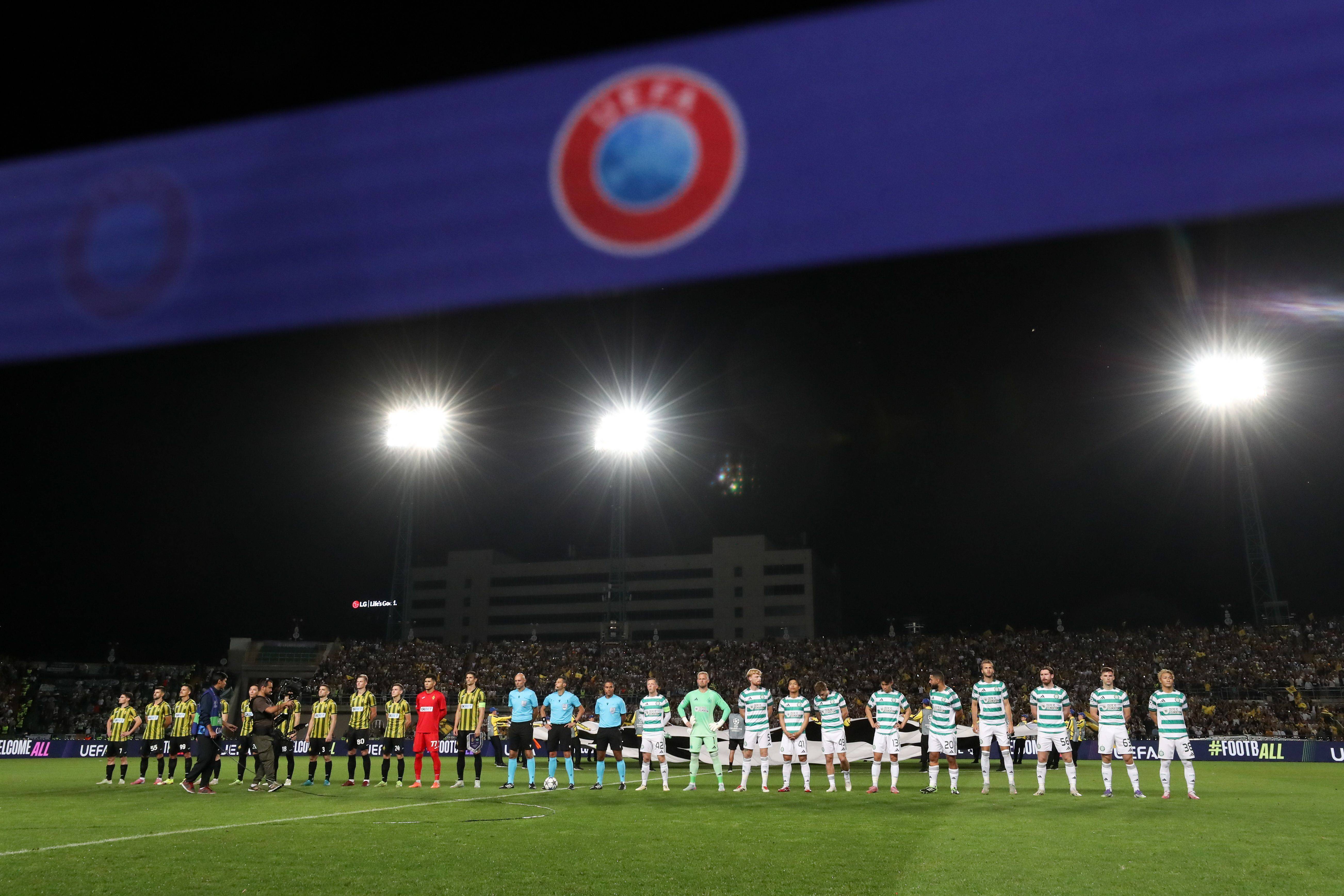
Celtic and Kairat Almaty line ups Kairat Almaty v Celtic, UEFA Champions League, Play-Off Round, Second Leg, Football, Almaty Central Stadium, Almaty, Kazakhstan – 26 August 2025. Photo Anikita Bassov Shutterstock
The record in Europe underscores the point. Five consecutive failures in Champions League qualifiers expose not bad luck but bad planning. And even in the seasons where Celtic have reached the group stage automatically, that has owed more to theRangers’ contributions to Scotland’s UEFA coefficient than Celtic’s own. If a club founded in 2012 is carrying the European weight that allows Celtic to qualify, that should be a cause for introspection, not complacency.
What supporters see, then, is not a grand strategic vision unfolding but a pattern of short-termism dressed up in strategic language. The club speaks of continuous improvement, but the outcomes are cyclical. Reviews are promised, findings are withheld, and the same structural weaknesses persist. Meanwhile, the distance between what the club says it wants to be and what it actually delivers grows wider with each passing season.
Celtic are, by almost any domestic measure, a successful club. We win trophies, we sell out stadiums, and we operate within our means. But none of that answers the central question, what does “world class” really mean to the people running Celtic Football Club? If it means doing just enough to stay ahead in Scotland, then perhaps the club can claim success. But if it means striving for genuine excellence, on the pitch, in recruitment, in player development, in governance, then Celtic remain a long way short.

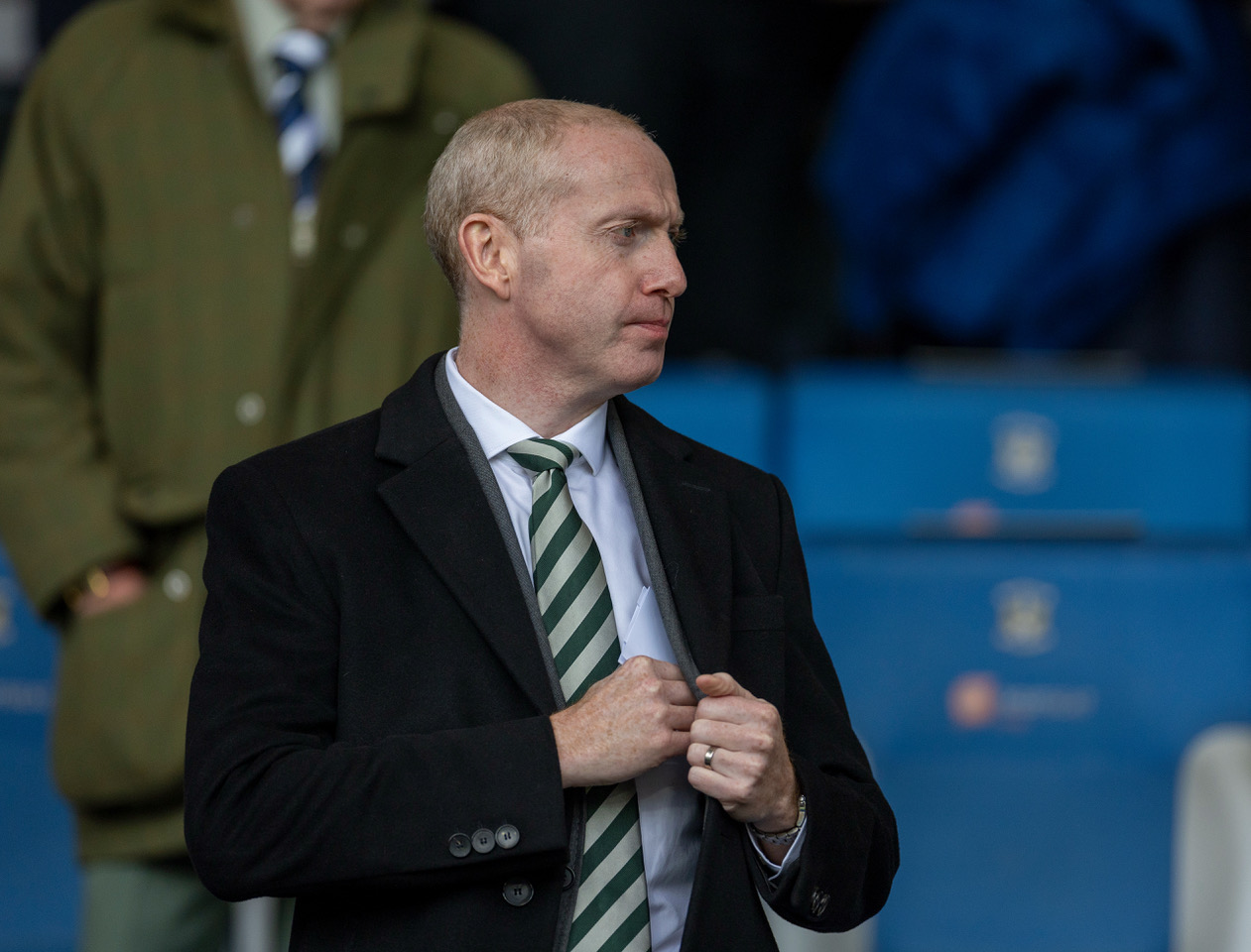
Celtic CEO Michael Nicholson at Rugby Park, Kilmarnock v Celtic, 14 September 2025. Photo Vagelis Georgariou (The Celtic Star)
As the meeting closed, Nicholson reiterated the desire to be “world class in everything we do.” It is a fine sentiment. The problem is that world-class organisations don’t just say it. They prove it. And right now, Celtic’s evidence base doesn’t come close to matching its rhetoric.
Niall J
Article Two: Who is responsible when Celtic keeps making the same mistakes? Continues on the next page…
Who is responsible when Celtic keeps making the same mistakes?


Celtic v BSC Young Boys, view of Paradise from the sky. Photo Vagelis Georgariou
At Monday’s meeting between Celtic executives and fan representatives, the topic of accountability dominated much of the discussion. It was, in many ways, the question at the heart of the evening. Who is actually responsible when Celtic repeat the same failings, year after year, in the transfer market?
When supporters pressed for clarity on this point, CEO Michael Nicholson was clear, at least in principle. The executive and footballing teams, he said, are accountable to the Celtic plc Board.
That, in theory, is how governance works. But in practice, it’s a circular process, executives accountable to a board that they themselves largely influence, reviewed through “internal” processes that are never made public, and measured by criteria that only the Club defines.

Accountability, in this sense, becomes not a mechanism of scrutiny but a formality, like a closed loop of self-assessment that produces no meaningful change.
Nicholson repeated that confidentiality is essential in football operations, particularly around transfers. Fans didn’t disagree. Nobody expects line-by-line disclosure of negotiations.
What they do expect, however, is transparency of process, an understanding of how lessons are learned, who takes responsibility when objectives are missed, and what steps are being taken to ensure the same errors aren’t repeated.
Yet once again, the answer offered was familiar, there would be a review, and the Club would “think about how best it can communicate.”
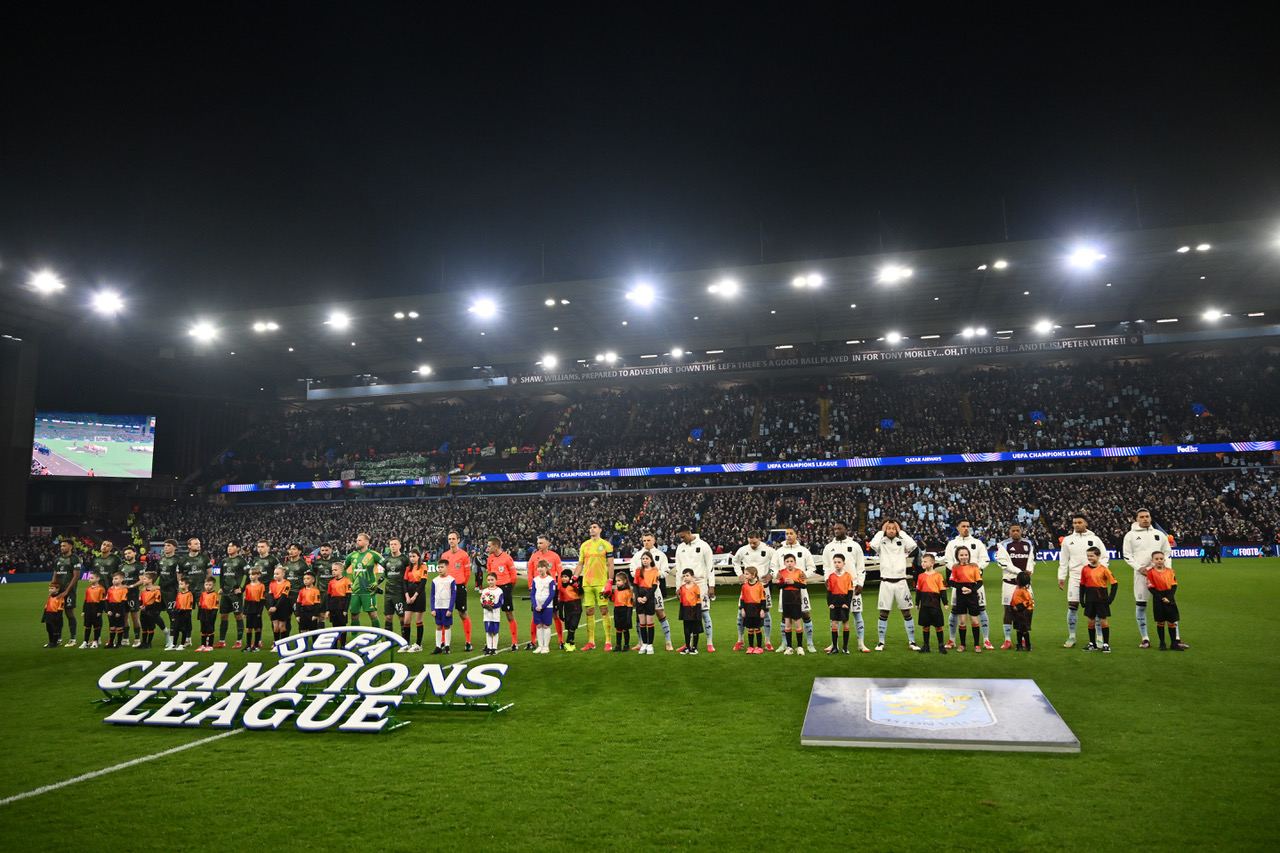
View inside the stadium prior to the UEFA Champions League match between Aston Villa and Celtic at Villa Park on January 29, 2025. (Photo by Julian Finney/Getty Images)
That phrase, “we’ll look at this and come back to you”, has become a running theme of Celtic’s engagement with supporters. It is a polite way of ending the conversation without committing to anything. Fans at the meeting were quick to point out that this pattern is part of the problem. It’s not simply a communications issue, it’s a credibility issue. There is no accountability if the people who are supposed to be held accountable are the same ones conducting the review.
When the conversation shifted to the summer transfer window, the frustration deepened. Supporters asked why, once again, Celtic had failed to invest in key positions despite clear weaknesses in the squad and the manager’s public pleas for reinforcements.

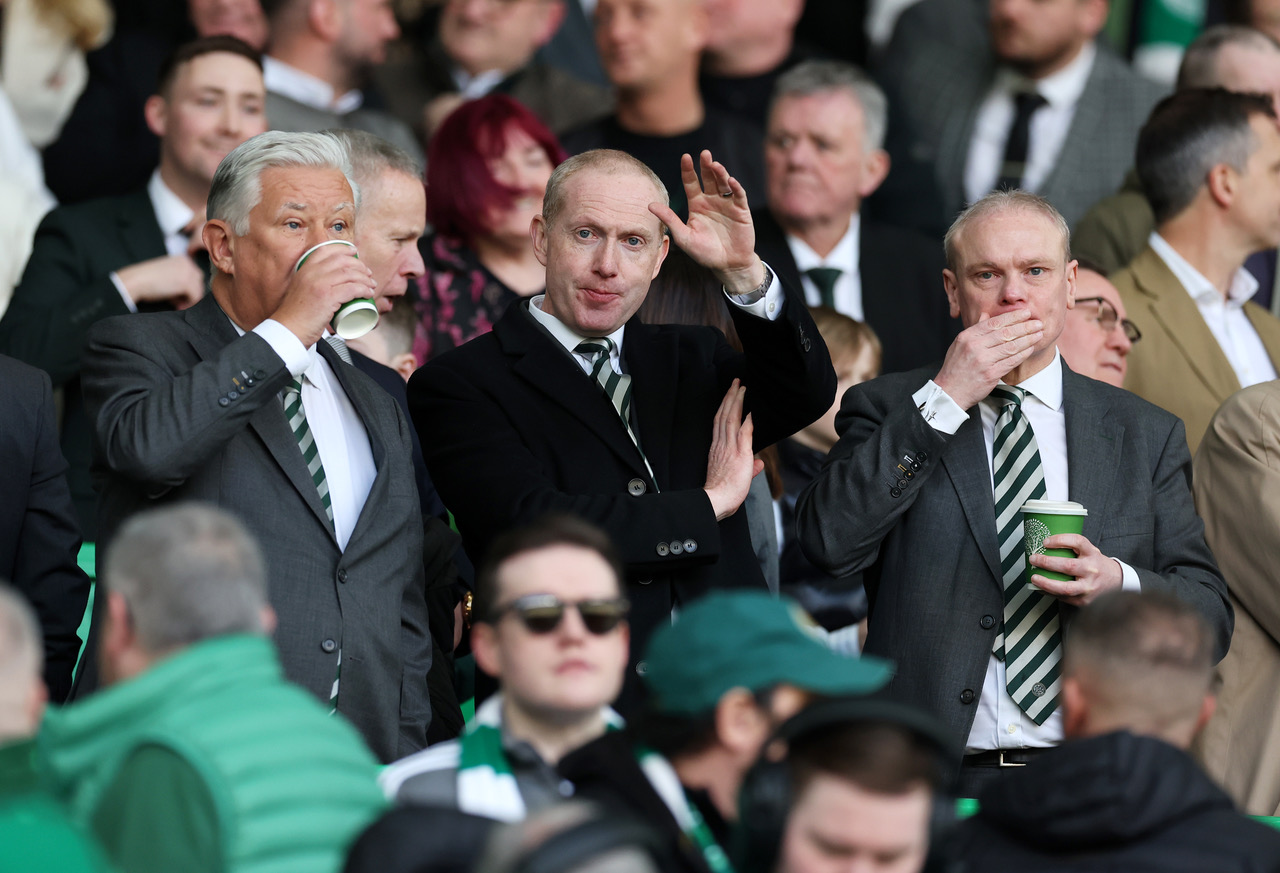
Peter Lawwell, Michael Nicholson and Chris McKay watch on during the Scottish Gas Scottish Cup Quarter-Final match between Celtic and Hibernian at Celtic Park on March 09, 2025. (Photo by Ian MacNicol/Getty Images)
Nicholson and Chief Financial Officer Chris McKay pointed to a familiar list of obstacles, player intent, club negotiations, taxation, market dynamics. These are, of course, realities of modern football. But they are also eerily familiar, almost word-for-word from the Club’s official statement last month. It’s as if the same paragraphs are dusted off and reissued every time things go wrong.
The real concern among supporters isn’t that these challenges exist, everyone understands that transfers are complex. The concern is that Celtic seem perpetually unprepared to overcome them.


Celtic fans celebrate during the UEFA Champions League match between Aston Villa and Celtic at Villa Park on January 29, 2025. (Photo by Julian Finney/Getty Images)
Supporters don’t expect the club to sign every target, but they do expect the people responsible for recruitment to anticipate these variables and navigate them successfully. Every club faces market complexity, the best ones are proactive, not paralysed by it. When Celtic list challenges as excuses, it raises a bigger question, do the people in place actually have the expertise and agility required to meet them?
If these obstacles are truly insurmountable, as the rhetoric sometimes implies, then the environment will never change, and neither will Celtic’s results. Indeed, it in all likelihood, it will only get more complex. The support doesn’t need another list of reasons why the job is difficult. They need to hear about the solutions being implemented to ensure the same mistakes aren’t made again.

Celtic fans show their stupidity and selfishness by lighting flares during the UEFA Champions League match between Aston Villa and Celtic at Villa Park on January 29, 2025. (Photo by Julian Finney/Getty Images)
The minutes of the meeting make it clear that frustration was communicated. Representatives described the club’s transfer approach as “scattergun” and poorly aligned with the manager’s needs. The lack of early signings before UEFA qualifiers was held up as a case study in chronic unpreparedness, a theme that has persisted across multiple managers, recruitment chiefs, and three chief executives. The pattern is institutional, not incidental.
And that raises a deeper concern. If the issue lies in football operations, in the identification and execution of deals, then why were none of the club’s football operations staff present at the meeting? Seven senior representatives attended, yet not one of them came from the department most central to supporters’ concerns.
For a discussion framed around strategy, transfers, and accountability, the absence was conspicuous. It reinforced the impression of a club where football decisions are increasingly insulated from both supporters and scrutiny.


Some fans at the meeting suggested that the club’s summer transfer window, though busy in terms of numbers, failed to deliver balance or quality. Players were targeted, yes, but the end result was a squad still carrying obvious gaps. Even after the early Champions League exit, the late-window signings did little to address them. The manager continues to work with a team that feels incomplete, a recurring theme that undermines both competitiveness and credibility.
When challenged on the issue of board accountability, McKay explained that Celtic follows the QCA Corporate Governance Code, requiring all directors to stand for re-election annually at the AGM. Nicholson added that independence is assessed internally as part of an annual governance process.
Yet supporters questioned how meaningful those assessments can be when non-executive directors have served far beyond the maximum tenure recommended by the UK Corporate Governance Code, and when the former Chief Executive has been reappointed as Chairman. The optics of stability may appeal to the board, but to supporters it looks like entrenchment, a leadership structure resistant to renewal or external challenge.
By the end of the meeting, there seemed to be a sense of exasperation. Fans noted that the same explanations had been offered at previous forums, and the same assurances repeated. The Collective described it as another symptom of the disconnect between the club and its support. When season ticket prices rise during a cost-of-living crisis, while the club sits on significant cash reserves, it is hard to escape the impression that supporters are asked to underwrite poor decision-making, rather than share in accountability for it.

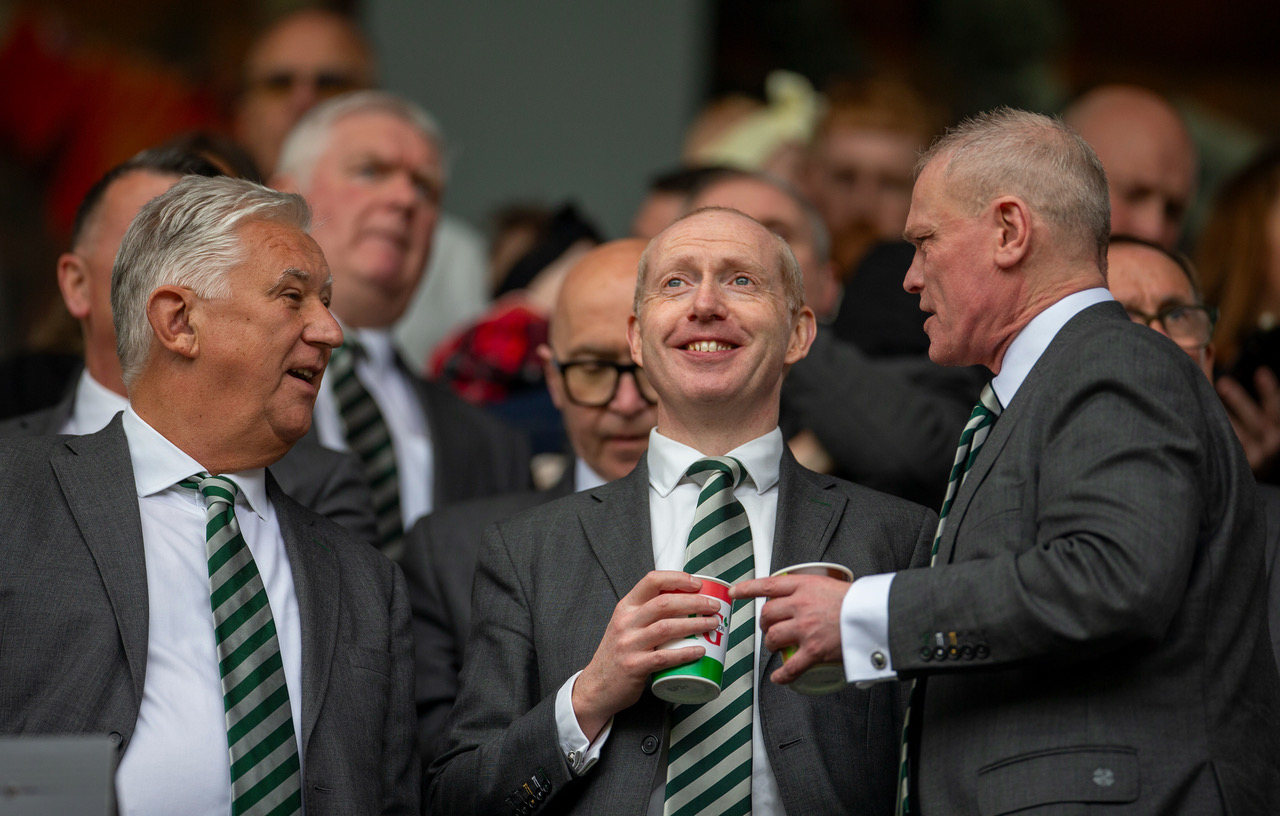
The Celtic Board. Celtic Champions 2025. Dundee United v Celtic, 26 April 2025. Photo Vagelis Georgariou (The Celtic Star).
Celtic’s leaders may talk of reviews, governance codes, and continuous improvement, but those words now land with diminishing effect. Accountability, to be real, must be visible. It must involve consequence, not just conversation. Until that happens, supporters will remain unconvinced that anything will truly change.
Because when a club makes the same mistakes over multiple seasons, with different managers but identical outcomes, the issue is not circumstance. It’s culture.
Niall J
Modernisation and why Celtic should accept premise of the question. Continues on the next page…
Modernisation and why Celtic should accept premise of the question


Celtic v BSC Young Boys, view of Paradise from the sky. Photo Vagelis Georgariou
In our earlier articles, we looked at Celtic’s long-term football strategy and the club’s lack of accountability in transfer dealings. What emerged was a picture of a club content to audit itself, explain its shortcomings through “market dynamics,” and set its own bar for success.
The discussion around modernisation, and Celtic’s repeated failure to prepare for European competition, only reinforced that image. Beneath the corporate language of “progress” lies a structure that feels increasingly static, reactive, and opaque.
When asked how Celtic intend to modernise the club’s structure to genuinely compete in Europe, CEO Michael Nicholson’s immediate response was, “The Club does not accept the premise of the question.”


Celtic Director Brian Wilson with CEO Michael Nicholson at Rugby Park, Kilmarnock v Celtic, 14 September 2025. Photo Vagelis Georgariou (The Celtic Star)
That was perhaps a telling moment, and one that said more about Celtic’s mindset than perhaps any carefully worded answer could. Supporters had posed a question in good faith, one grounded in years of frustration over the club’s repeated unpreparedness for European qualification. For the chief executive to dismiss the very basis of that question came across not as confidence, but as complacency. It suggested a leadership team unwilling, or perhaps unable, to engage meaningfully with criticism.
If communication is a key skill of leadership, and in football, where fans are both the lifeblood and the customer base, it absolutely is, then Celtic’s CEO continues to look uncomfortable in that space.
The seven questions submitted by supporters ahead of this meeting had already gone unanswered for weeks. There has been no proactive communication via the club’s own channels, not even a straightforward Q&A through Celtic TV. When the opportunity finally came to provide substance, the message instead was: “I don’t accept the premise.”
Peter Lawwell, Michael Nicholson and Chris McKay watch on during the Scottish Gas Scottish Cup Quarter-Final match between Celtic and Hibernian at Celtic Park on March 09, 2025. (Photo by Ian MacNicol/Getty Images)
That is not leadership. It’s deflection. And it betrays a worrying disconnect between the executive office and the people who keep the lights on.
Nicholson did, however, point to some examples of progress. The appointment of Paul Tisdale as Head of Football Operations and Shaun Maloney as Professional Pathway Manager were cited as key steps in modernising Celtic’s football structure. On paper, both roles could be valuable.

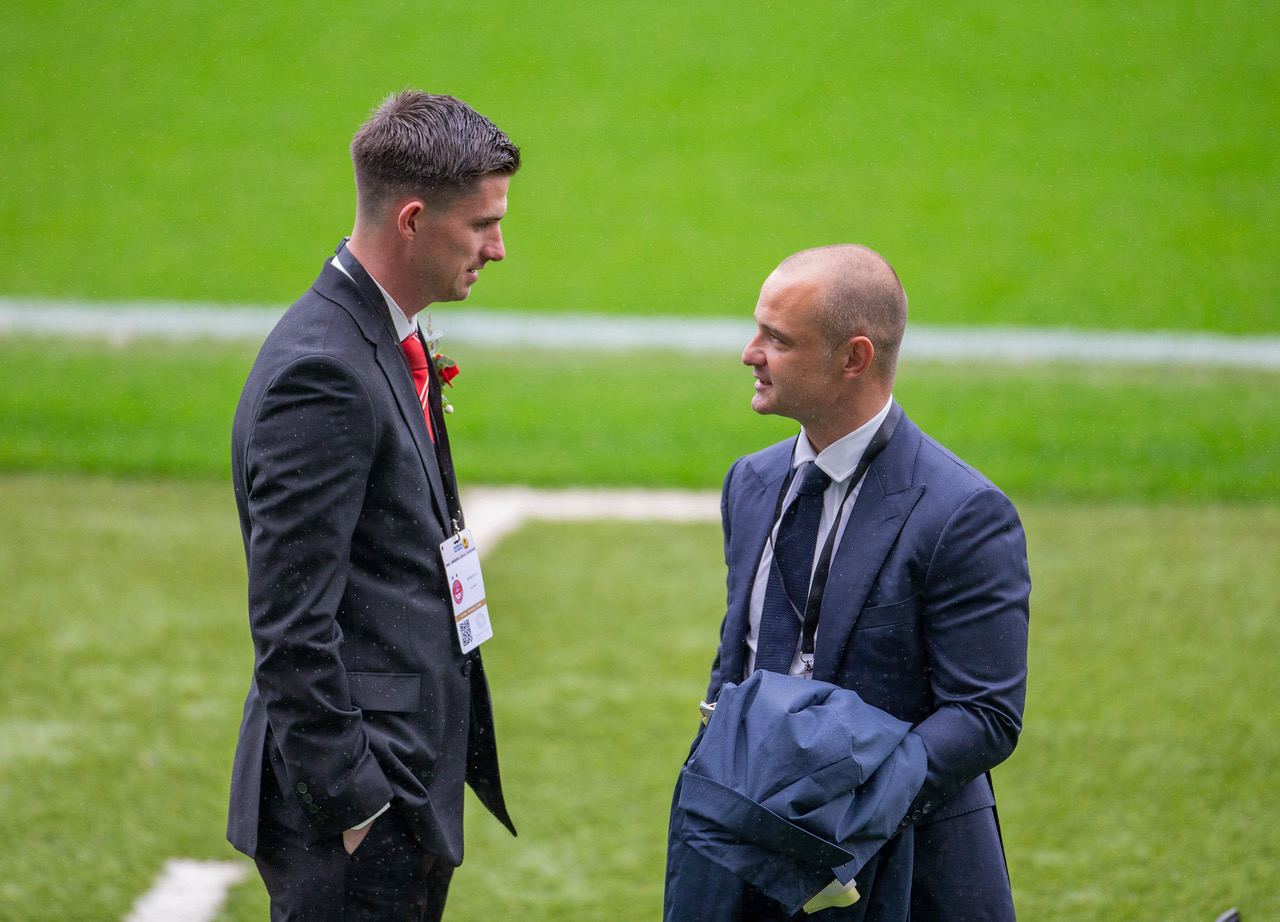
24th May 2025; Hampden Park, Scottish Cup Football Final, Aberdeen versus Celtic; Ross
Doohan of Aberdeen chats to Shaun Maloney ActionPlus Vagelis Georgariou
A Head of Football Operations should, in theory, provide strategic oversight across recruitment, development, and performance. A Professional Pathway Manager could help bridge the long-criticised gap between the academy and the first team.
But these roles are only as effective as the structure around them, and that is where the doubts begin. Supporters are yet to see any coherent explanation of how these new positions fit into a broader plan. Are they part of a clearly defined model, or simply patches on a quilt? Were they created as part of a rigorous restructuring process, or as ad-hoc appointments in reaction to criticism? The lack of transparency fuels scepticism, and with good reason.
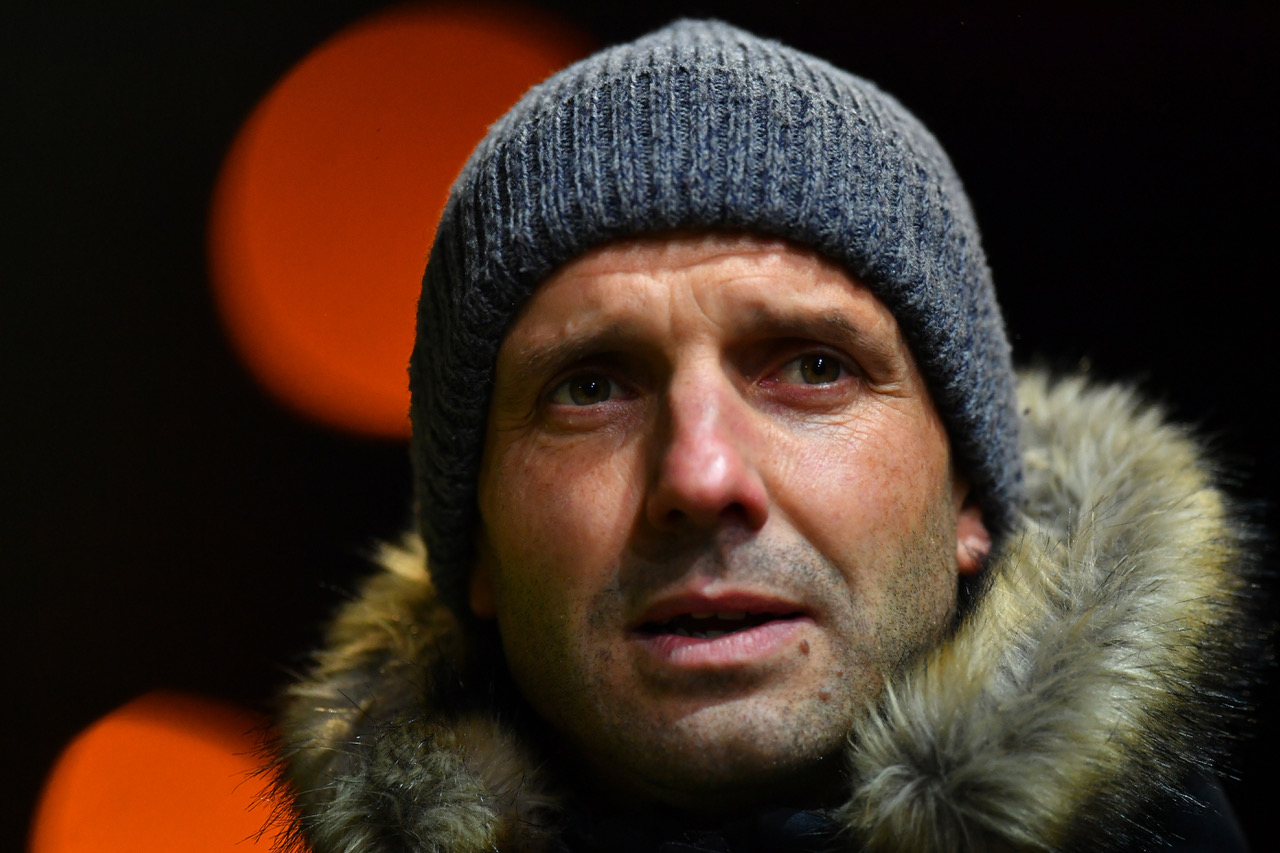
Paul Tisdale, manager of Exeter City prior to the Emirates FA Cup Second Round Replay between Exeter City and Forest Green at St James Park on December 12, 2017. (Photo by Dan Mullan/Getty Images)
Fans at the meeting asked how Tisdale was appointed and whether an external recruitment process had been conducted. CFO Chris McKay confirmed that no consultancy was used and that the club had simply “spoken to several candidates.” Nicholson added there were no family or business connections between Tisdale and Celtic board members, though he admitted “individuals had crossed paths previously.”
That may well be innocent, football is a relatively small world, but when the club’s mantra is “world class in everything we do,” a process that sounds more like a friendly conversation than an exhaustive global search does little to inspire confidence.
Supporters also raised legitimate concerns about youth development, particularly the loss of academy players to English clubs. Nicholson attributed this to Brexit, arguing that the post-Brexit landscape has “locked” Scotland into the English market and increased cross-border movement.


Mid-season Friendly, SuperValu Pairc Ui Chaoimh, Cork 8/7/2025 Cork City vs Celtic Celtics Callum Osmand shoots at goal Callum Osmand shoots at goal 8/7/2025 Photo INPHO/Ken Sutton
While there’s absolutely truth in that, it also felt like another instance of Celtic explaining the problem rather than demonstrating how they’re overcoming it. Every club in Scotland faces the same challenge, the difference is how you adapt.
More revealing, though, was the discussion around how transfers are actually conducted at Celtic. McKay described a “multi-disciplinary approach,” led by the football department in identifying players and finalised by the executive team.
On the surface, that sounds pretty standard. But the details perhaps expose an outdated and cumbersome process. Supporters learned that for transfers above certain thresholds, approval must come from the Celtic plc Board — via email. In theory, this ensures fiscal oversight. In practice, it risks paralysis.
Modern football is a fast-moving marketplace. Clubs that operate with agility, able to make decisive, informed moves, succeed. Those bogged down in corporate approval cycles miss opportunities.
If Celtic’s board needs to sign off on player valuations by email before deals can be closed, then the club is operating with a 20th-century model in a 21st-century game. A director of football working within an annually approved budget would be a far more efficient and professional structure. What Celtic currently have sounds bureaucratic and reactive, the polar opposite of the world-class agility they like to reference.

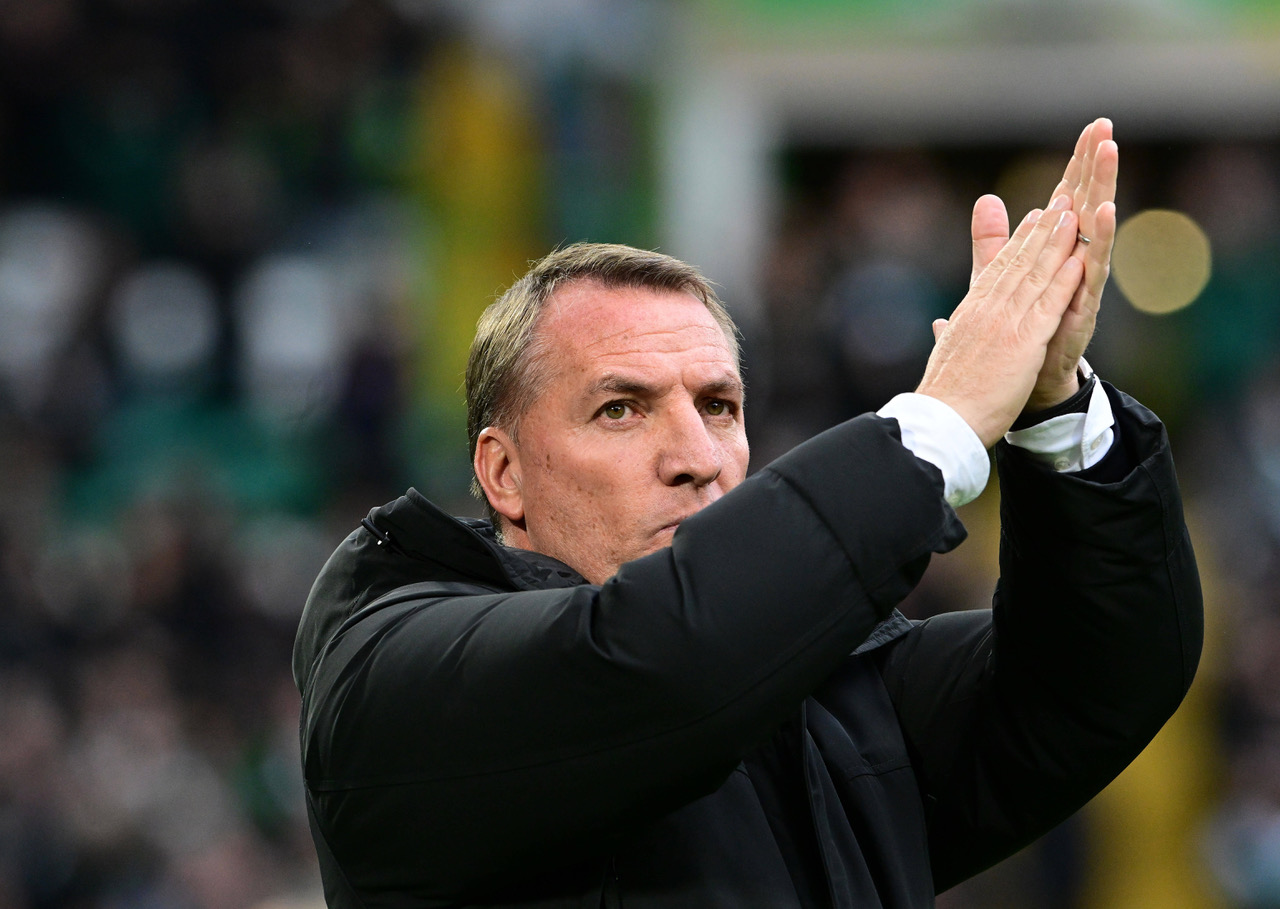
Celtic Manager Brendan Rodgers during the Scottish Premiership match between Celtic FC and Motherwell FC at Celtic Park, on 5th October 2025. Photo Mark Runnacles IMAGO/Shutterstock
Then there was the now-infamous moment when Nicholson was asked why the manager had referred to some arrivals as “club signings.” His response, a shrug of the shoulders, has already become emblematic of the disconnect between the football department and the executive team. It was a gesture that spoke volumes, a public admission, intentional or not, that the boundaries of responsibility are blurred and that accountability is diffuse.
For supporters, it may have reinforced the suspicion that the manager’s influence in recruitment is limited, that he may sanction signings but doesn’t necessarily shape the strategic direction. When those signings fail to perform or when the squad remains unbalanced, responsibility becomes conveniently shared, which is to say, borne by no one.
The issue is not that Celtic lack capable people. The issue is that those people operate within a structure that feels improvised, dated, and opaque. A club that claims to be modern and data-driven should not rely on email chains for transfer approval or personal networks for senior football appointments. Modernisation is not about adding titles, it’s about redefining processes, accountability, and communication.
And yet, despite repeated European failures, Celtic continue to act as if the model doesn’t need fixing. Nicholson’s refusal to even entertain the premise of the question, ‘why are we consistently unprepared for qualification stages?’, perhaps actually captures the essence of the problem. It is not just that Celtic fall short in Europe. It is that those leading the club seem unwilling to admit that they do.
Celtic and Kairat Almaty line ups Kairat Almaty v Celtic, UEFA Champions League, Play-Off Round, Second Leg, Football, Almaty Central Stadium, Almaty, Kazakhstan – 26 August 2025. Photo Anikita Bassov Shutterstock
A world-class club doesn’t shrug its shoulders when asked about “club signings.” It doesn’t conduct senior appointments through informal conversations. And it doesn’t email board members for permission to complete transfers. It identifies what is broken, fixes it, and communicates that clearly to its supporters.
Until Celtic start doing that, the word ‘modernisation’ will remain what so much of the club’s rhetoric has become, another empty phrase in a corporate dictionary of good intentions.
Niall J
Continues on the next page…How Celtic engages with fans, or more accurately, how it doesn’t…
How Celtic engages with fans, or more accurately, how it doesn’t


Celtic fans celebrate with an Irish flag during the UEFA Champions League match between Aston Villa and Celtic at Villa Park on January 29, 2025. (Photo by Julian Finney/Getty Images)
Across the first three earlier articles covering the Monday Night Meeting between the club representatives and supporter groups, we’ve looked at Celtic’s long-term strategy, their self-policed accountability model, and their failure to modernise.
Each strand points to a club that talks about being “world class” yet repeatedly fails to match that ambition with transparency, communication, or coherent action. Nowhere is that more evident than in how Celtic engages with its supporters, or, perhaps more accurately, how it doesn’t.
The handling of the long-delayed fan survey and the muted response to the Fairhurst Inquiry tell a familiar story, consultation without conviction, communication without clarity.
When supporters asked when the results of the 2024 Fan Survey would finally be released, over a year since it was conducted, the answer was, once again, that it’s coming soon. CEO Michael Nicholson confirmed the report would be published in October 2025. Head of Commercial Operations Kevin McQuillan, however, took the lead on this topic, and, to his credit, his tone could not have been more different from what we’ve come to expect from the club’s top table.

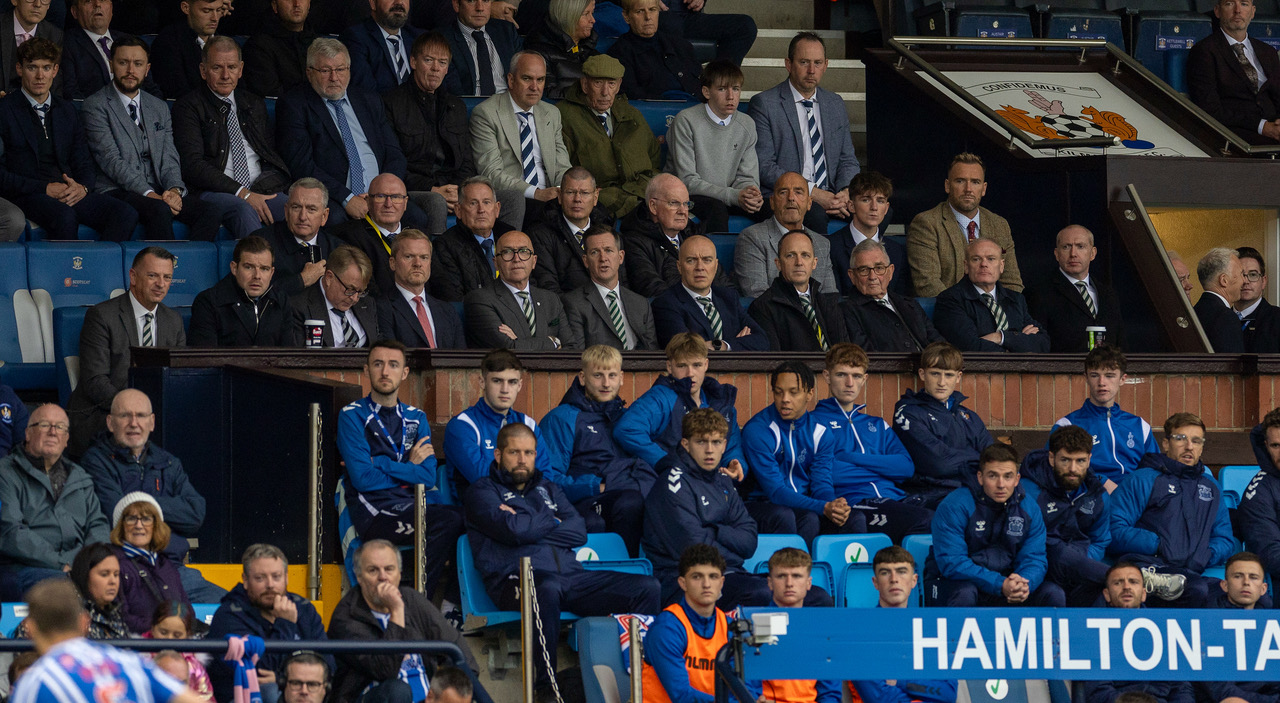
The Celtic Board at Rugby Park, Kilmarnock v Celtic, 14 September 2025. Photo Vagelis Georgariou (The Celtic Star)
McQuillan admitted mistakes. He explained the delay was due to the complexity of the data and the need to reformat the results for public release. He acknowledged lessons had been learned and even accepted that the club would approach any future survey differently.
It was a simple, honest response, one that struck the right tone and demonstrated humility. Supporters appreciated it. They described his openness as a “welcome change” from the defensiveness that had characterised other sections of the meeting.
In truth, McQuillan’s approach should be the norm, not the exception. His candour showed how easily trust could be rebuilt through basic honesty and accountability. But the wider frustration remains, a year-long delay in publishing a fan survey undermines the very principle of engagement. Supporters took the time to offer their opinions, the club sat on the findings for over twelve months. The optics are terrible. Engagement cannot be meaningful if feedback disappears into a corporate black hole.

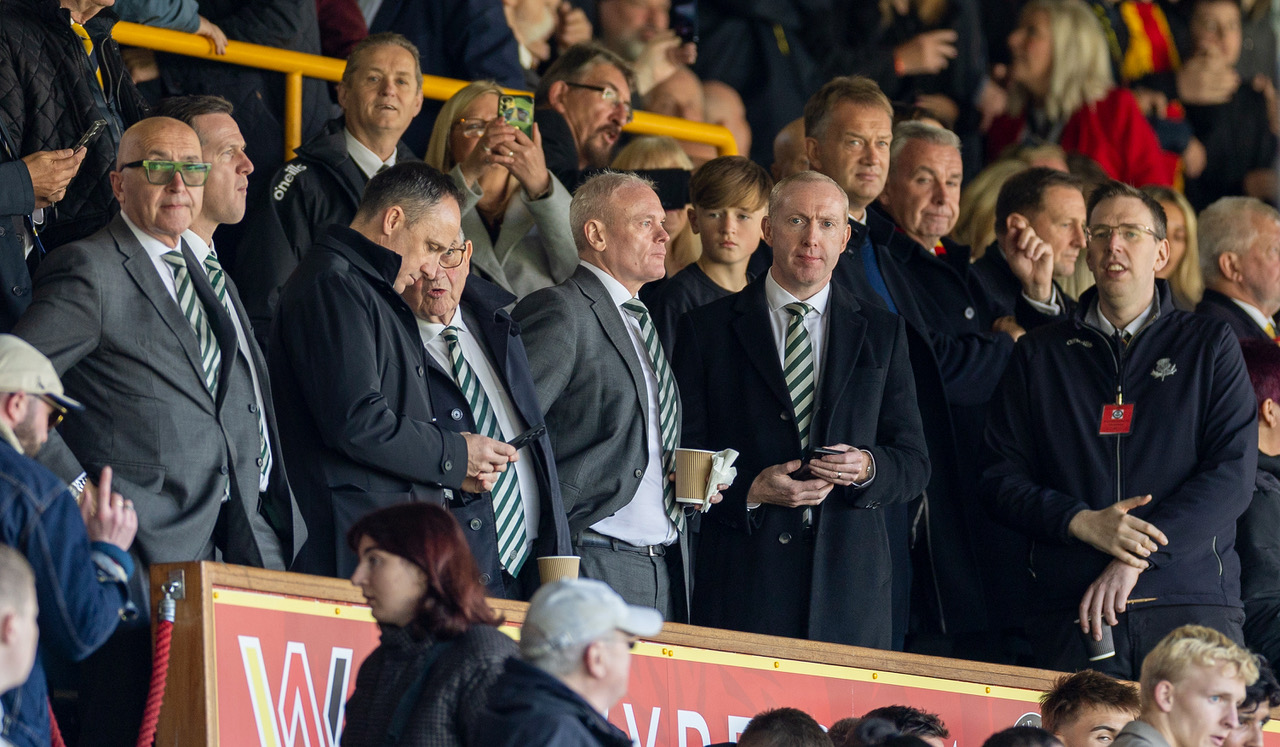
The Celtic Board. Partick Thistle v Celtic. Premier Sports League Cup. Sunday 21 September. Photo Vagelis Georgariou (The Celtic Star)
McQuillan also hinted that the same staff responsible for managing the fan survey are working on other projects, including the club’s digital strategy and proposed new app. That admission prompted questions about whether Celtic are properly resourced.
Are key staff being stretched across too many projects? Are important areas being delayed or diluted because the club simply doesn’t have enough people to deliver on its own promises? The fact an operational review is underway to assess resourcing might be encouraging, but it also raises the question of why such a review wasn’t completed years ago.
If McQuillan’s section of the meeting was an example of how communication should work, the discussion on the Fairhurst Inquiry showed how it too often doesn’t. The Fairhurst report was commissioned by the club following the policing incident on 16 March, when ordinary Celtic fans, not just ultras or organised groups, found themselves kettled, manhandled, and prevented from reaching Celtic Park before a major match.
The incident shocked many, especially those who hadn’t experienced the kind of policing that certain sections of the support have faced for years.
Supporters at the meeting were clear, the report was too soft. It failed to reflect the anger, frustration, and, in some cases, trauma of those who were there. Michael Nicholson explained that Fairhurst had been hired to “collate feedback” rather than make conclusions, and that the club had passed that report to Police Scotland along with its own comments. He also said a meeting had been requested to discuss the matter further.


Police officer wearing a face covering prior to the Scottish Premiership match between Celtic and theRangers at Celtic Park on March 16, 2025 . (Photo by Ian MacNicol/Getty Images)
On the surface, this appears procedural. But to many fans, it felt passive, like a box ticked, or a letter sent. Several supporters urged the club to take a firmer stance. If Police Scotland refused to allow a supporter representative to attend that meeting, they argued, Celtic should challenge that publicly. The club’s Head of Safety, agreed to make the request for fan inclusion, and that’s welcome. But the very fact it needs to be requested rather than insisted upon speaks volumes.


Police on horseback are seen outside the stadium prior to the Scottish Premiership match between Celtic FC and Rangers FC at Celtic Park on March 16, 2025. (Photo by Ian MacNicol/Getty Images)
This was not an issue of fan behaviour or protest. It was about law-abiding supporters trying to attend a football match who found themselves subjected to policing tactics that many described as disproportionate and aggressive. For the club to frame its role purely as a facilitator between supporters and the police misses the point entirely. Celtic’s duty is to protect its supporters, not merely to pass their feedback along.


Police are seen lining up outside the stadium prior to the Scottish Premiership match between Celtic and theRangers at Celtic Park on March 16, 2025. (Photo by Ian MacNicol/Getty Images)
Credit should be given for commissioning an independent report in the first place. It was, at least, an attempt to gather evidence rather than rely on internal spin, something the club might consider applying to other areas of its operation. But tone matters, and the tone of the Fairhurst report, and Celtic’s response to it, did not convey the gravity of what happened that day. For a club that often speaks about community and caring for its people, this felt detached, bureaucratic, and cold.
The uneasy relationship between Celtic and its ultras undoubtedly complicates matters, but the events of 16 March went far beyond that dynamic. This was not about banners or politics. It was about safety, dignity, and the right to attend a football match without fear. The supporters kettled that day weren’t agitators, they were ordinary fans, many with families, many with disabilities, many simply caught in the wrong place at the wrong time. The club’s response should have reflected that.


Police are seen lining up outside the stadium prior to the Scottish Premiership match between Celtic and theRangers at Celtic Park on March 16, 2025. (Photo by Ian MacNicol/Getty Images)
If Celtic are serious about improving relations between the club, supporters, and Police Scotland, they must show strength as well as diplomacy. Any meeting about policing and supporter welfare should require fan representation, not simply request it.
And that, ultimately, ties the two strands of this discussion together. The fan survey and the Fairhurst Inquiry are both case studies in how Celtic engage, or fail to engage, with their supporters. One shows that humility and honesty can build goodwill. The other shows that passivity and opacity damage it.
Until the club stops treating consultation as a PR exercise and starts viewing it as an essential part of governance, engagement will remain an illusion.
Niall J
Continues on the next page…A credible Fan Advisory Board would mark a cultural shift at Celtic…
A credible Fan Advisory Board would mark a cultural shift at Celtic
Celtic fans celebrate during the UEFA Champions League match between Aston Villa and Celtic at Villa Park on January 29, 2025. (Photo by Julian Finney/Getty Images)
Supporters have long called for a more formal voice in club decisions, and this was something the Celtic supporter groups who attended Monday night’s meeting with the club raised directly with the Celtic CEO.
The creation of a Fan Advisory Board, or something similar, could provide exactly that, a structured forum for two-way dialogue between fans and executives, a bridge over years of frustration, and a real opportunity to shape policy.
Celtic Director Brian Wilson with CEO Michael Nicholson at Rugby Park, Kilmarnock v Celtic, 14 September 2025. Photo Vagelis Georgariou (The Celtic Star)
Michael Nicholson confirmed that the club is examining such a board as part of a wider review of supporter engagement, taking cues from models at West Ham and Manchester United. At first glance, this is hugely positive. It shows the CEO is willing to learn from best practice and consider new ways to empower fans. If executed correctly, it could become a welcome and lasting part of Nicholson’s legacy.
But supporters are clear-eyed. This cannot be a token gesture or a PR exercise. Timelines, democratic selection, transparency, and genuine influence must be built into the structure. Without these safeguards, any new forum risks being little more than a talking shop, something that looks good in an AGM statement but changes little in practice.

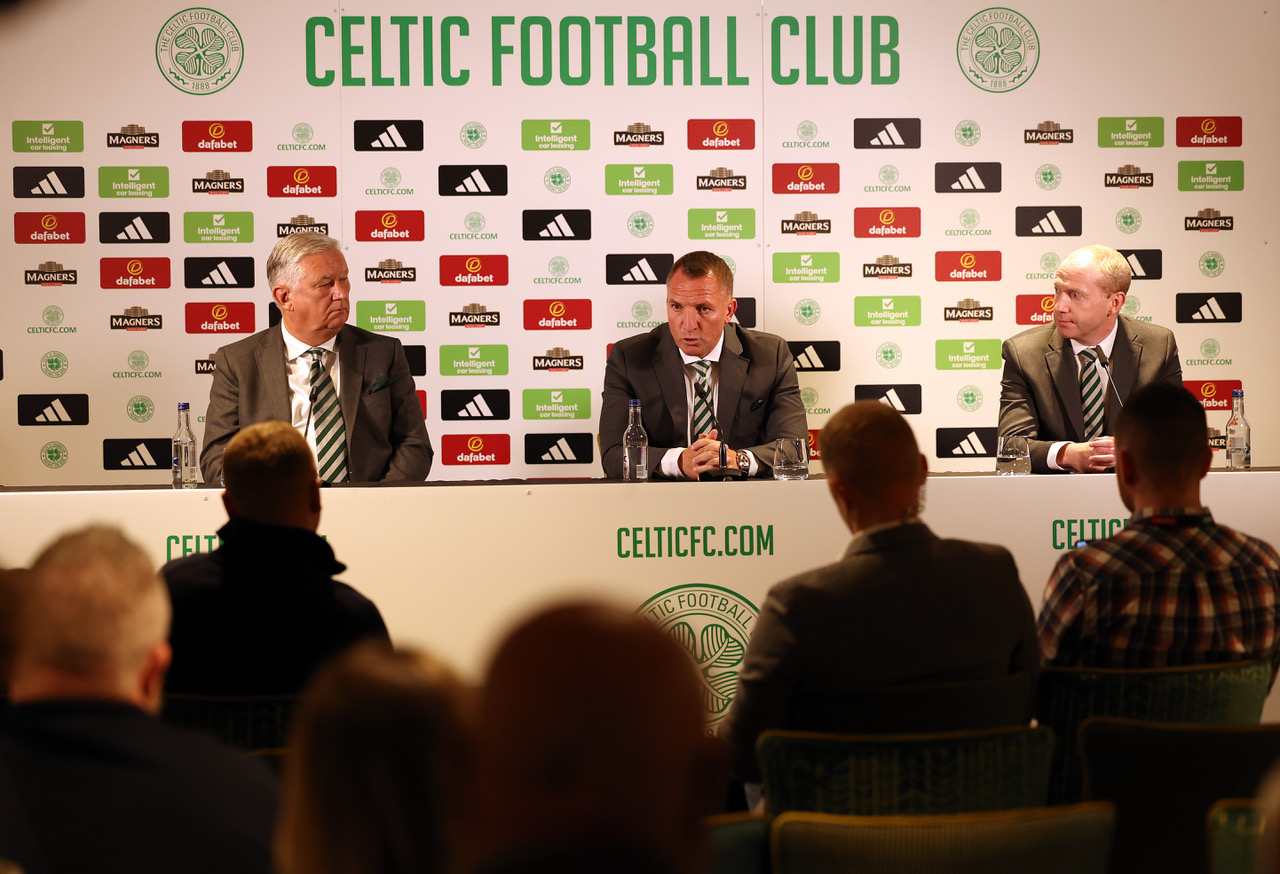
Peter Lawwell, Brendan Rodgers and Michael Nicholson (Photo by Ian MacNicol/Getty Images)
The Fan Collective raised the question of a formal advisory body at the latest meeting with club officials. Paul Quigley asked directly if Celtic had considered establishing one to create structured, two-way consultation and bring fan representatives formally into the club’s governance framework.
Nicholson confirmed that the club was aware of the idea and had been considering it. Supporters pressed for a clear timeline and structure for consultation. The club agreed to come back on this point and linked it to wider questions arising from the Fan Survey, noting that they were examining comparable structures elsewhere.
George Campbell, speaking for the club, explained that the current review includes identifying how similar boards operate at other clubs, who sits on them, how they are elected, and what their Terms of Reference are. West Ham and Manchester United were specifically mentioned as examples under study. The club is seeking direct feedback from those teams to understand how these structures work in practice.

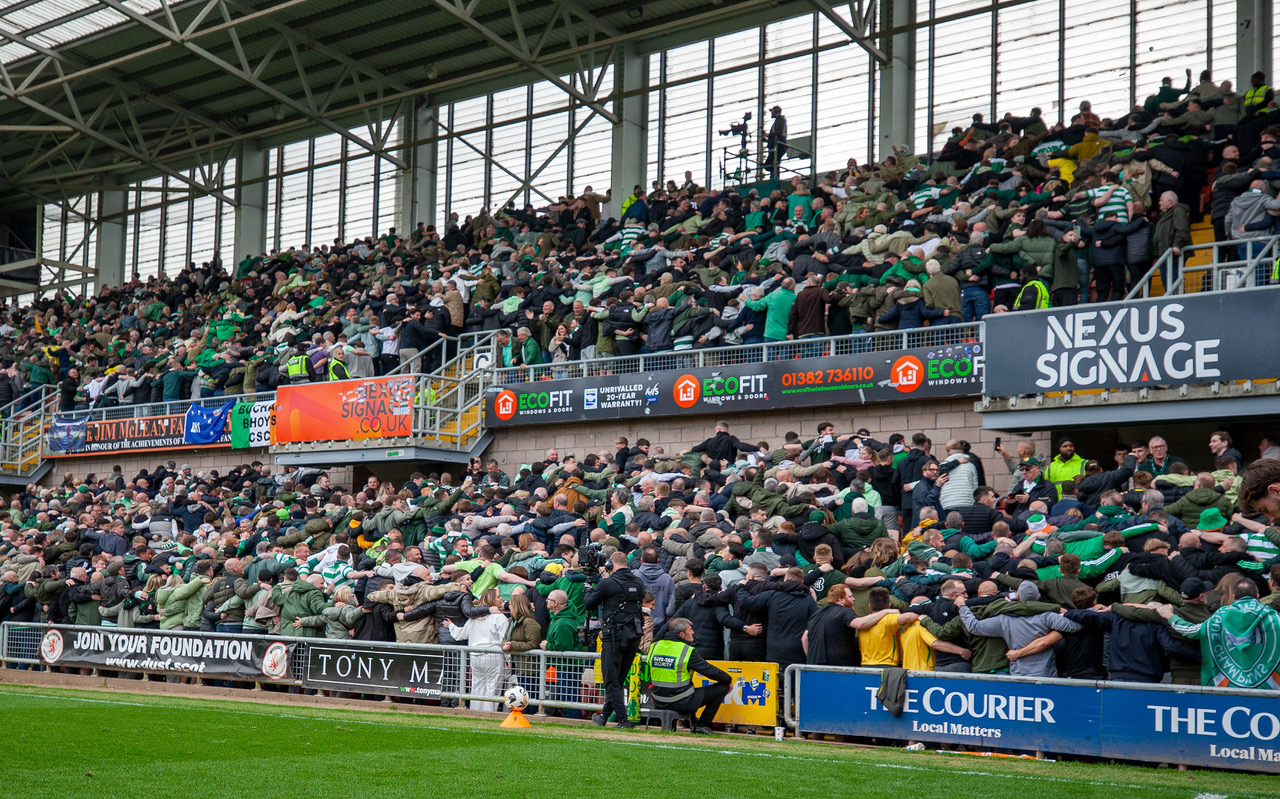
Celtic supporters doing the Huddle at Tannadice as they celebrate the title win. Celtic Champions 2025. Dundee United v Celtic, 26 April 2025. Photo Vagelis Georgariou (The Celtic Star).
For supporters, that sounds promising. But they have reason to be cautious. Minutes from the same meeting revealed a separate, troubling episode that helps explain why fans want formal oversight.
Supporter representatives raised serious concerns about the infamous tabloid story in The Sun, alleging a leak from within the club. They argued it was a breach of trust and professionalism that merited formal investigation, particularly given that the Football Manager himself had commented on the matter publicly.
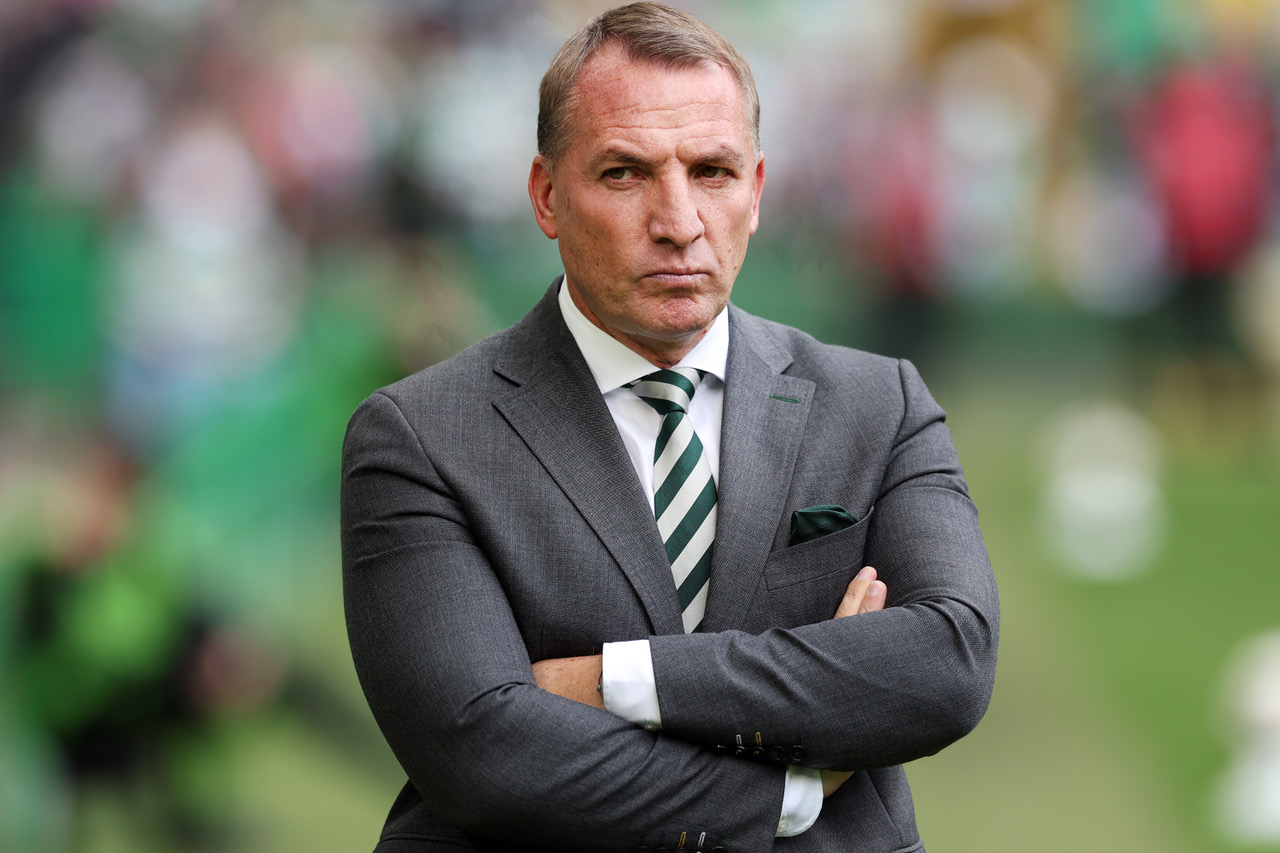
Celtic manager Brendan Rodgers during the Scottish Premiership match between Celtic and Livingston at Celtic Park on August 23, 2025. (Photo by Ian MacNicol/Getty Images)
When asked why no investigation had been launched, Nicholson said the story was based on an unnamed source allegedly speaking to an unnamed source within the club. He added that speculation was common in the tabloid press, that the issue had been discussed with the board and the manager, and that the matter was now closed.
Finance chief Chris McKay confirmed that all board members had been asked about the article and that there was “no basis for further investigation.” He added that the newspaper source was a “senior figure,” not necessarily a board member, and that the club would not take legal action because it was “busy enough as it is.”
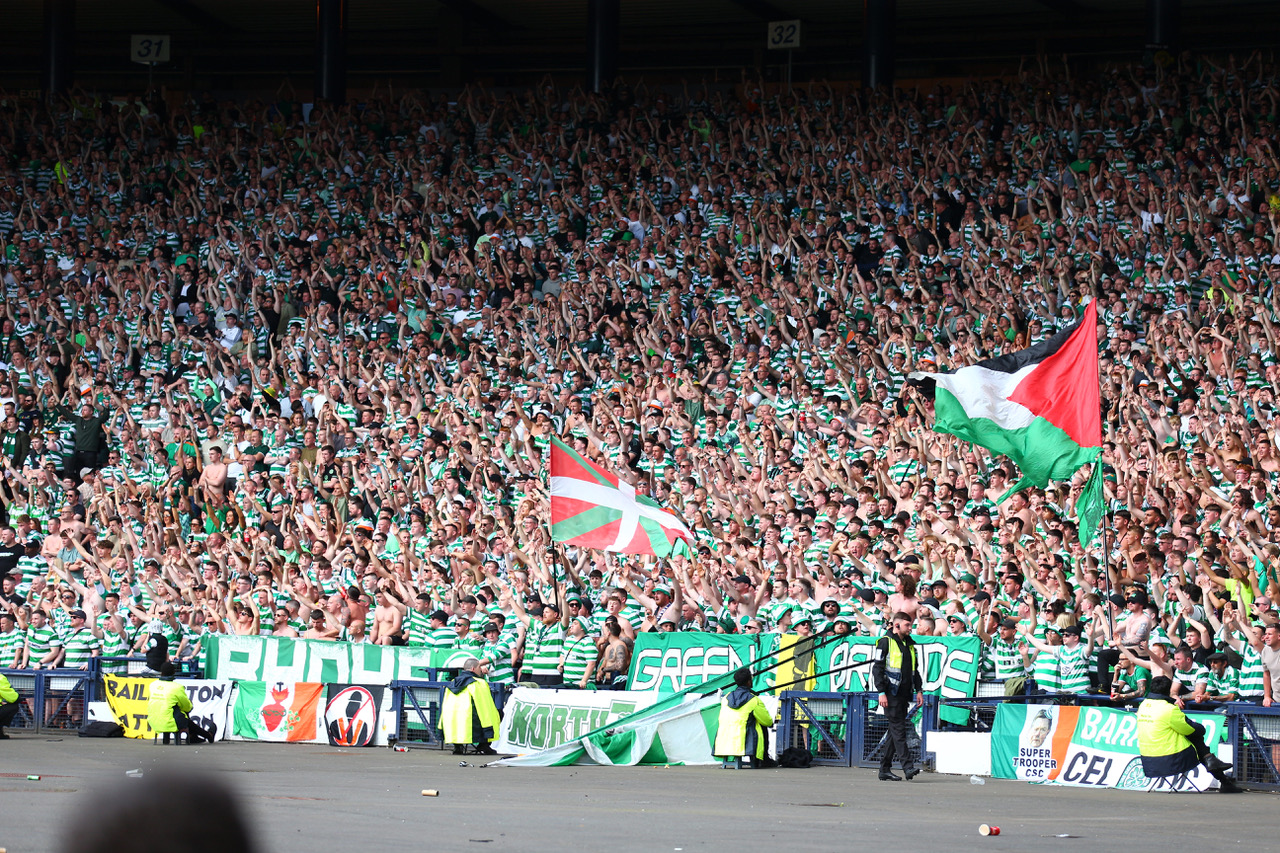
Celtic Supporters at Hampden Park during the 2024 Scottish Cup Final between Celtic and theRangers. Photo Vagelis Georgariou for The Celtic Star
Club officials insisted the board “understands the importance of confidentiality.” But to fan representatives, the response came across as dismissive. A matter that directly affected trust, professionalism, and the integrity of internal communication had been brushed aside on the club’s own terms, without transparency, without external review, and without accountability.
This, supporters argue, is precisely the problem. When the club marks its own homework, fans are left frustrated, and managers undermined.
That context explains why a Fan Advisory Board is not just a nice-to-have. It’s necessary. Supporters want a structured mechanism for scrutiny and dialogue, not selective consultation. They want the ability to raise issues like the alleged leak, communications breakdowns, or transfer strategy concerns in a formal setting, one that demands serious answers, not dismissive ones.
The creation of a Fan Advisory Board would allow that. Done right, it could institutionalise accountability and embed supporter representation in decision-making. Done poorly, it risks becoming another line in an annual report, another symbol of good intentions lost in execution.
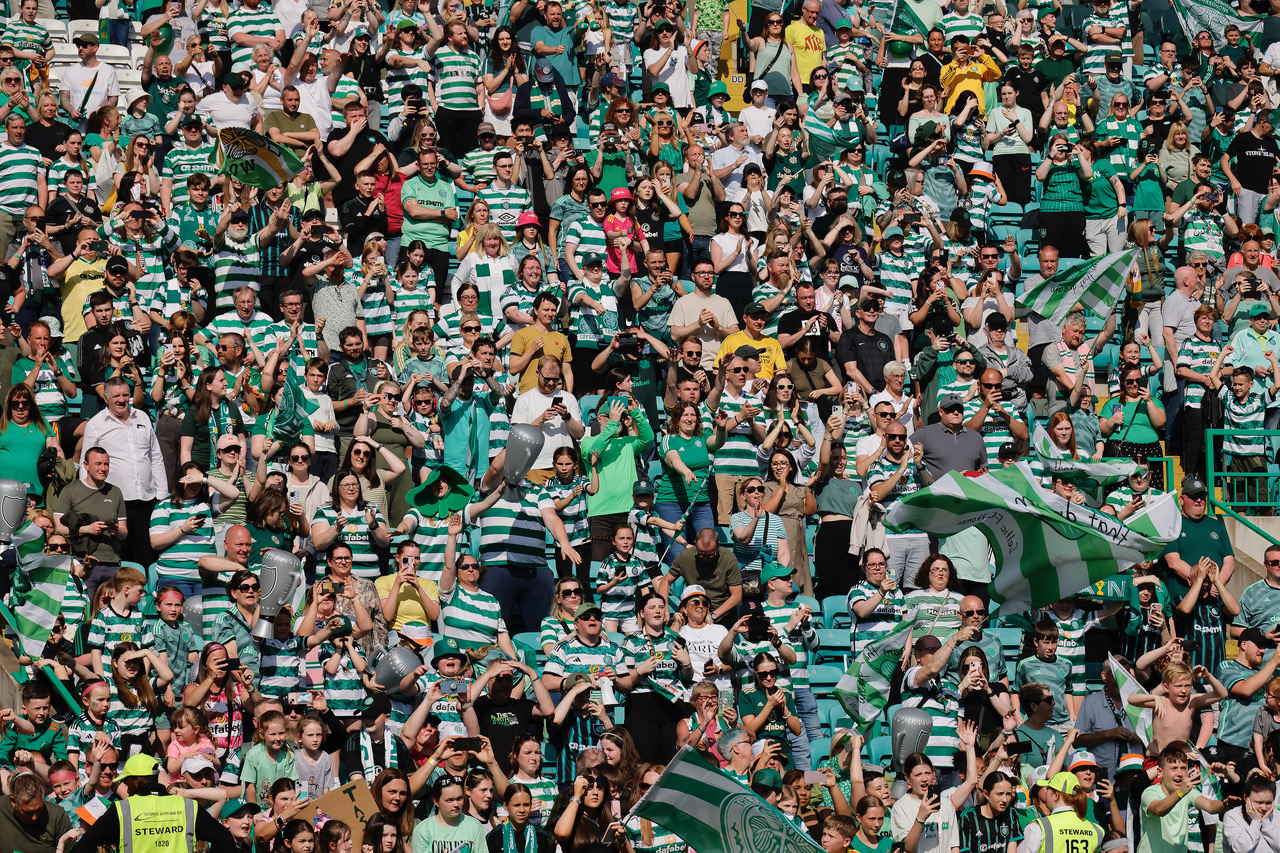
Celtic supporters watch the SWPL title being won. Photo AJ (The Celtic Star)
Celtic has committed to ongoing research and consultation. Supporters are waiting to see what comes next, deadlines, frameworks, and a clear remit that sets out what powers the Fan Advisory Board would hold, what access it would have, and how its members would be chosen.
If the board includes democratically selected fan representatives, publishes minutes, and feeds into the club’s governance process with genuine transparency, it could help close a decades-long gap between the fanbase and the boardroom.
This is an opportunity for Michael Nicholson to demonstrate that the club can evolve, listening, learning, and leading by example. A credible Fan Advisory Board would mark a cultural shift, one that values shared responsibility and honest dialogue over top-down control.
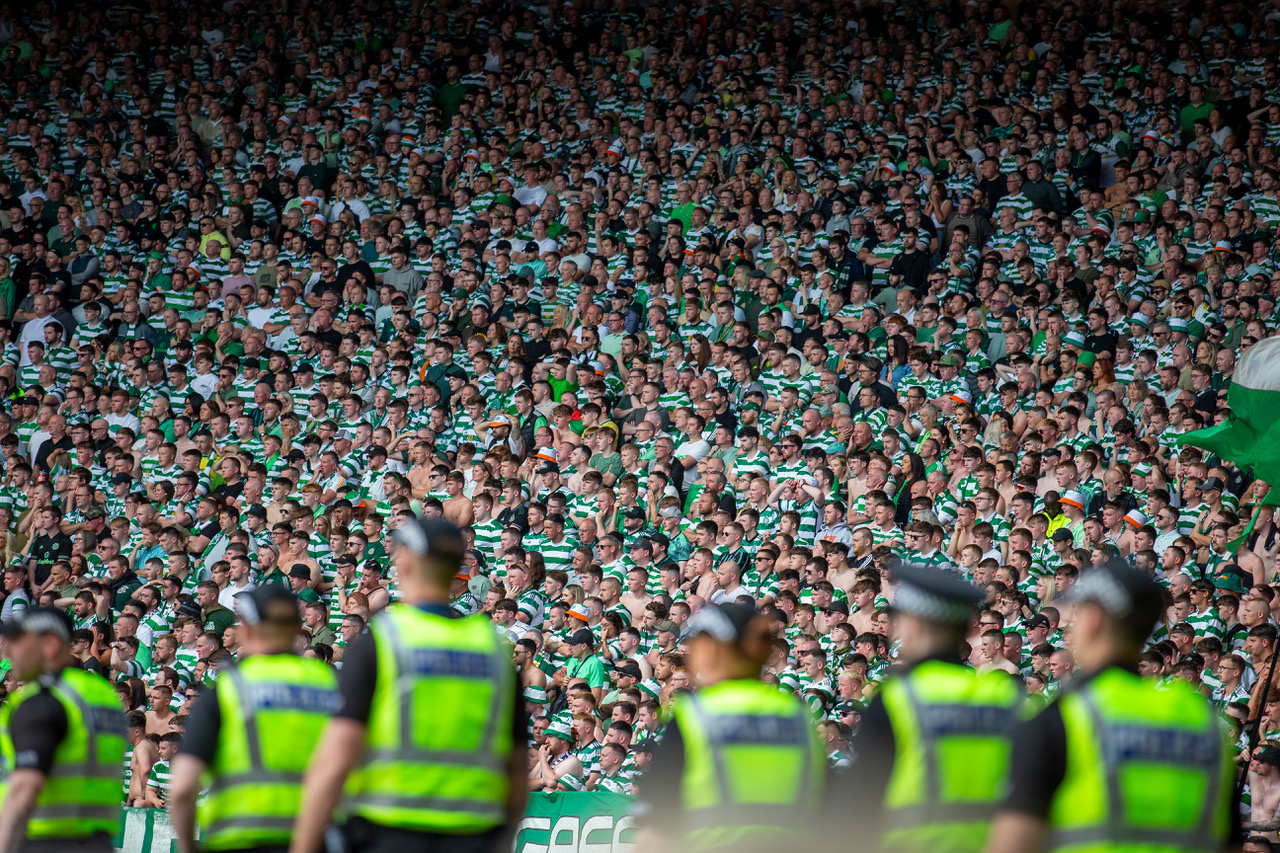
Celtic Supporters at Hampden Park during the 2024 Scottish Cup Final between Celtic and theRangers. Photo Vagelis Georgariou for The Celtic Star
Supporters know there is much at stake. After years of limited access and corporate opacity, the chance to help shape a permanent channel for fan influence could be transformative. In short, the promise is real. The risk is clear. How Celtic executes this will shape supporter trust for years to come and could also define the legacy of its current leadership.
Niall J
Continues on the next page…Review of Non-Executive Directors Request plus Questions for Celtic AGM…
Review of Non-Executive Directors Request plus Questions for Celtic AGM
Celtic v BSC Young Boys, view of Paradise from the sky. Photo Vagelis Georgariou
During the recent meeting between club officials and supporter groups, fan representative Paul Quigley requested a review of Non-Executive Directors…
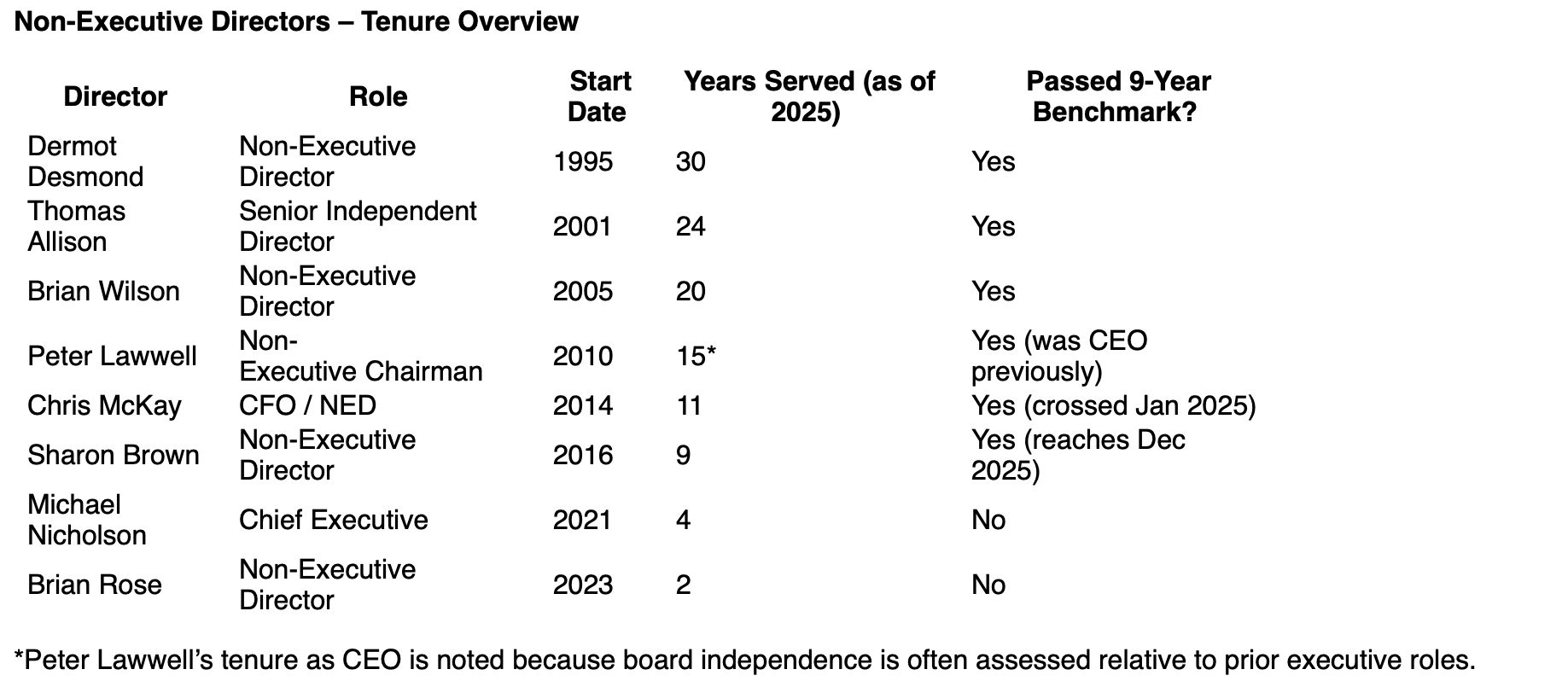
Paul suggested that an external review of Non-Executive Directors on the Board is required. Michael Nicholson said he will take that suggestion to the Board. This proposal is timely, given growing scrutiny over governance, tenure, and accountability at Celtic plc.
The numbers speak for themselves. Under AIM’s softer governance regime, Celtic plc faces no binding obligation to refresh its board after nine years. But independence and oversight are critical. Here is the tenure of Celtic’s current board members:

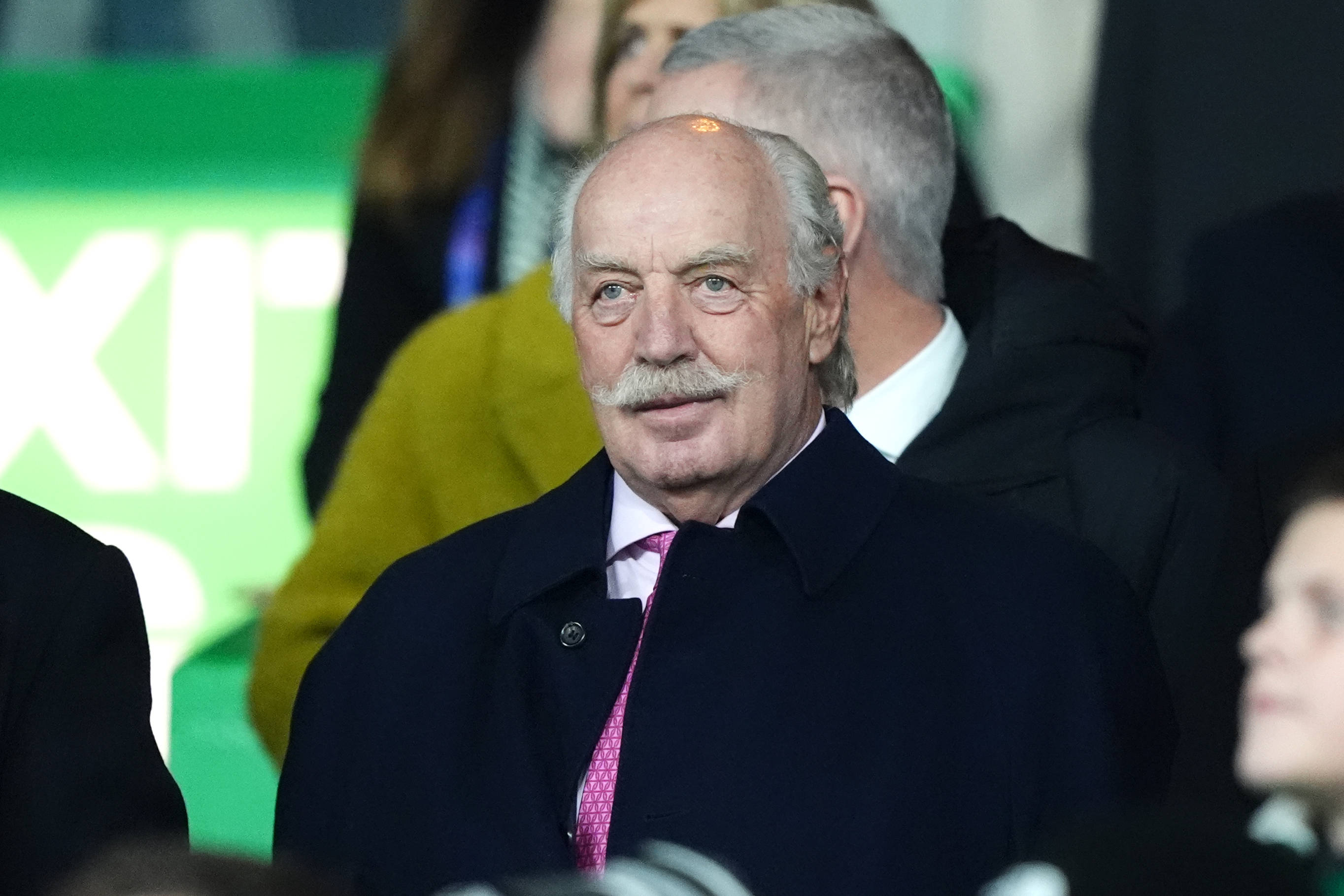
Celtic v RB Leipzig – UEFA Champions League – League Stage – Celtic Park Dermot Desmond in the stands ahead of the UEFA Champions League match at Celtic Park, on Tuesday November 5, 2024. Photo Andrew Milligan



Celtic Chairman Peter Lawwell is seen during the Premiership match between Celtic FC and Ross County FC at Celtic Park on November 30, 2024. (Photo by Ian MacNicol/Getty Images)
The risks highlighted by corporate governance experts, entrenched power, ossified culture, diminished independence, are evident here. Directors with decades of service inevitably form close ties to management and the controlling shareholder. Challenging old strategies becomes awkward when you helped design them. Boardroom debate dries up, innovation stalls, and the critical lens supporters might hope for becomes dulled.
Celtic will argue continuity breeds stability. And to an extent, they have a point. The club has dominated Scottish football, remained profitable, reached the Champions League in six of the last ten seasons, and benefited from profitable player sales. But stability in the boardroom is NOT the same as accountability, and success on the pitch does not immunise against governance risk.

Celtic v BSC Young Boys, view of Paradise from the sky. Photo Vagelis Georgariou
A prominent supporter contacted The Celtic Star recently to remind fellow shareholders of a facility created in 2022 to allow questions to be submitted directly to Celtic’s Company Secretary in advance of the AGM. These questions must be answered either at the meeting itself or in advance.
The supporter explained:
“Did you know this facility to ask questions at any time before an AGM existed? It is a genuine attempt to improve the quality of questions posed or issues addressed before an AGM. I know because I helped develop it in 2022 with the Company Secretary who wanted improved communications to address common issues.”
He is urging shareholders NOT to wait until the week before the AGM, when other resolutions may dominate the agenda. Shareholders can use or adapt the following template to submit questions directly to investorrelations@celticfc.co.uk (include full name and SRN from your share certificate). Copy in the Celtic Supporters Trust at trust@celtictrust.net if you want to amplify collective shareholder influence.
Subject: Questions for the 2025 AGM – Celtic plc
Dear Company Secretary,
As a shareholder, I respectfully submit the following questions in advance of the 2025 Annual General Meeting of Celtic plc.
Celtic was founded with a clear ethos and purpose rooted in community, charity, and identity. To ensure alignment between this founding purpose, the responsibilities of the Board, and the expectations of shareholders and supporters, I would be grateful if you could address the following:
Purpose – What does the Board consider to be the fundamental Purpose of Celtic Football Club?
Vision – What is the Vision of the Board for Celtic’s future?
Strategy – What Strategy has the Board adopted to achieve this Purpose and Vision?
Policies – What Policies are in place to support and deliver the Strategy?
Indicators – What Indicators or measures does the Board use to assess whether the Purpose, Vision, Strategy, and Policies are being achieved in practice?
I respectfully ask that the Board’s responses provide clarity, substance, and measurable indicators so that shareholders can understand how governance decisions align with the ethos and long-term direction of Celtic Football Club.
Yours faithfully,
[Full Name]
[Share Reference Number]
[Certificate Number]

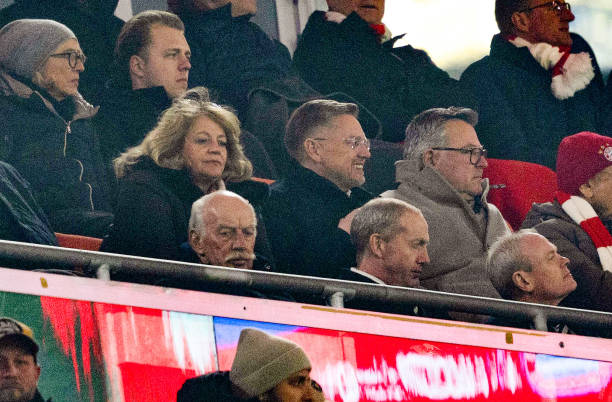
Dermot Desmond next to Michael Nicholson in Munich’s Allianz Arena image via Celtic Curio
It is vital that shareholders press the board directly on what the club’s real purpose and direction is. The 2025 AGM is likely to take place in November or December. Now is the time to raise fundamental issues. The more shareholders use this facility, the louder the collective voice becomes.
Questions about Purpose, Vision, Strategy, and Accountability go to the very heart of the club. If the board is unwilling to provide clarity, shareholders and supporters are entitled to ask, who exactly are they serving?
Supporters and shareholders are encouraged to use this facility. The upcoming 2025 AGM, provides a concrete platform to demand transparency and challenge the entrenched board.
Celtic Fans Collective, Founded September 2025.
Combined with calls for an external review of NEDs, coordinated shareholder engagement could be the most effective tool the Celtic Fans Collective has to ensure accountability and inject fresh thinking into a board that has become long-tenured, close-knit, and potentially too comfortable with the status quo.
Ultimately, the core question remains, do Celtic’s directors retain the independence, courage, and willingness to challenge when it matters? Shareholders and supporters now have the tools, and the timing, to find out.
Niall J
Continues on the next page…Celtic’s culture of risk aversion, of comfort, of self-satisfaction disguised as prudence…
Celtic’s culture of risk aversion, of comfort, of self-satisfaction disguised as prudence

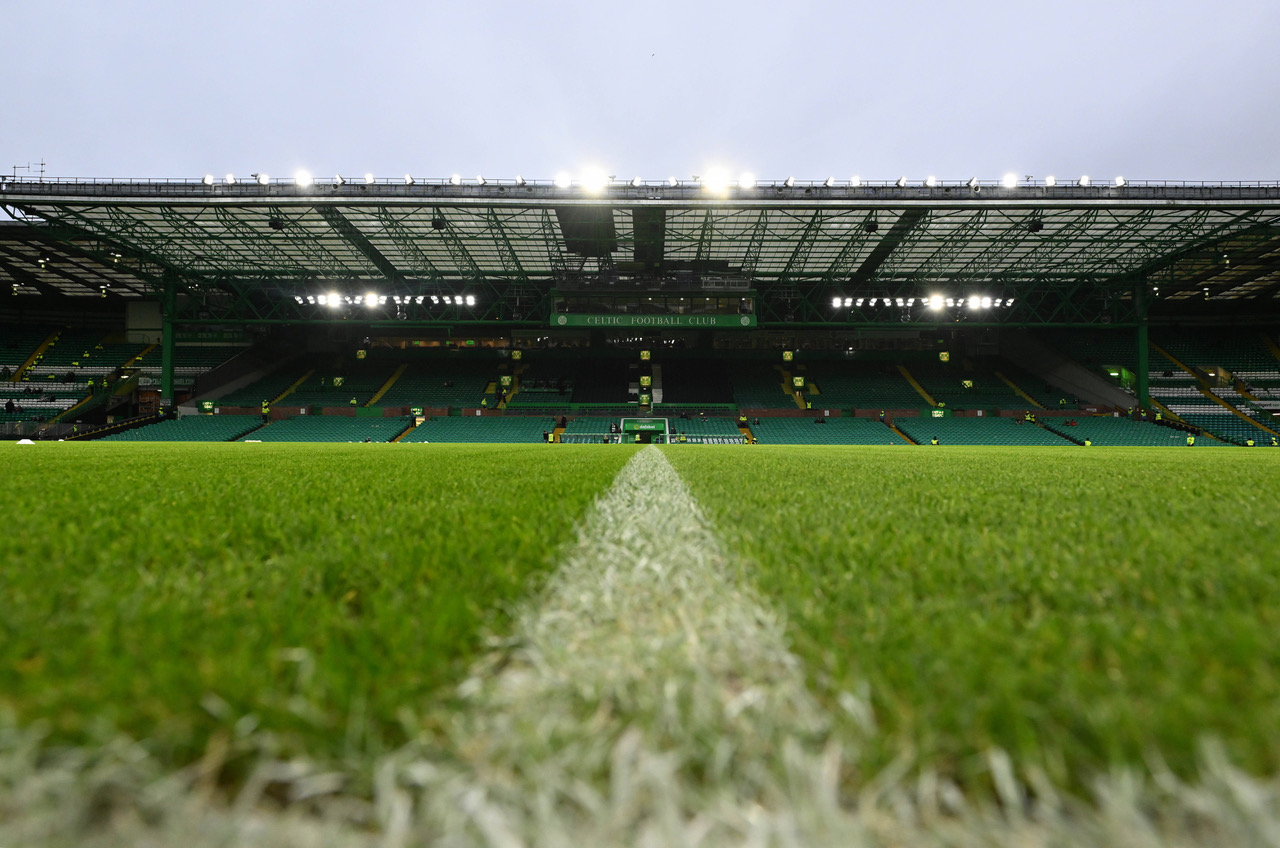
Celtic Park ahead of the match between Celtic and Motherwell on 26th December 2024. Picture by Mark Runnacles Shutterstock
Over the past few days we’ve covered in detail much of the meeting between the club representatives and those of the Celtic support and the minutes which followed on Thursday evening on The Celtic Star, and a pattern has emerged, one so consistent it now feels like part of the club’s DNA…
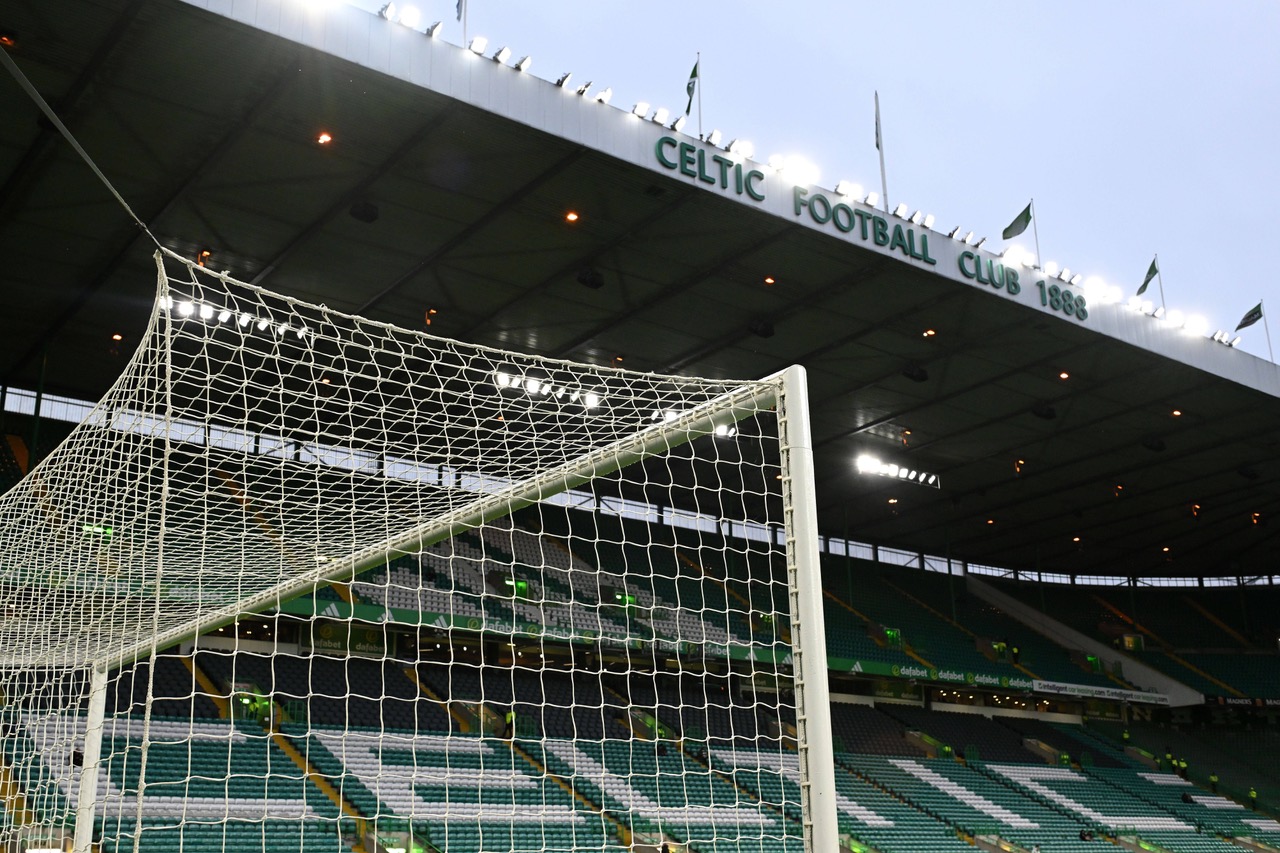
Celtic Park ahead of the match between Celtic and Motherwell on 26th December 2024. Picture by Mark Runnacles Shutterstock
Celtic talk often about ambition, values, and being world class in everything we do. But across strategy, transfer planning, communication, and engagement, those ideals repeatedly collapse under the weight of corporate distance and self-congratulation. The words sound polished. The actions rarely follow.
This isn’t just about football decisions or misjudged transfer windows. It’s about culture, the way the club sees itself, the way it communicates with those who sustain it, and the way it interprets challenge.
Every meeting, every exchange between the boardroom and the fan base, seems to follow the same pattern, question, deflection, review, repeat. In the absence of genuine accountability, the club’s tone becomes its truth, a soft power exercised through corporate language, carefully managed messaging, and a persistent avoidance of vulnerability.
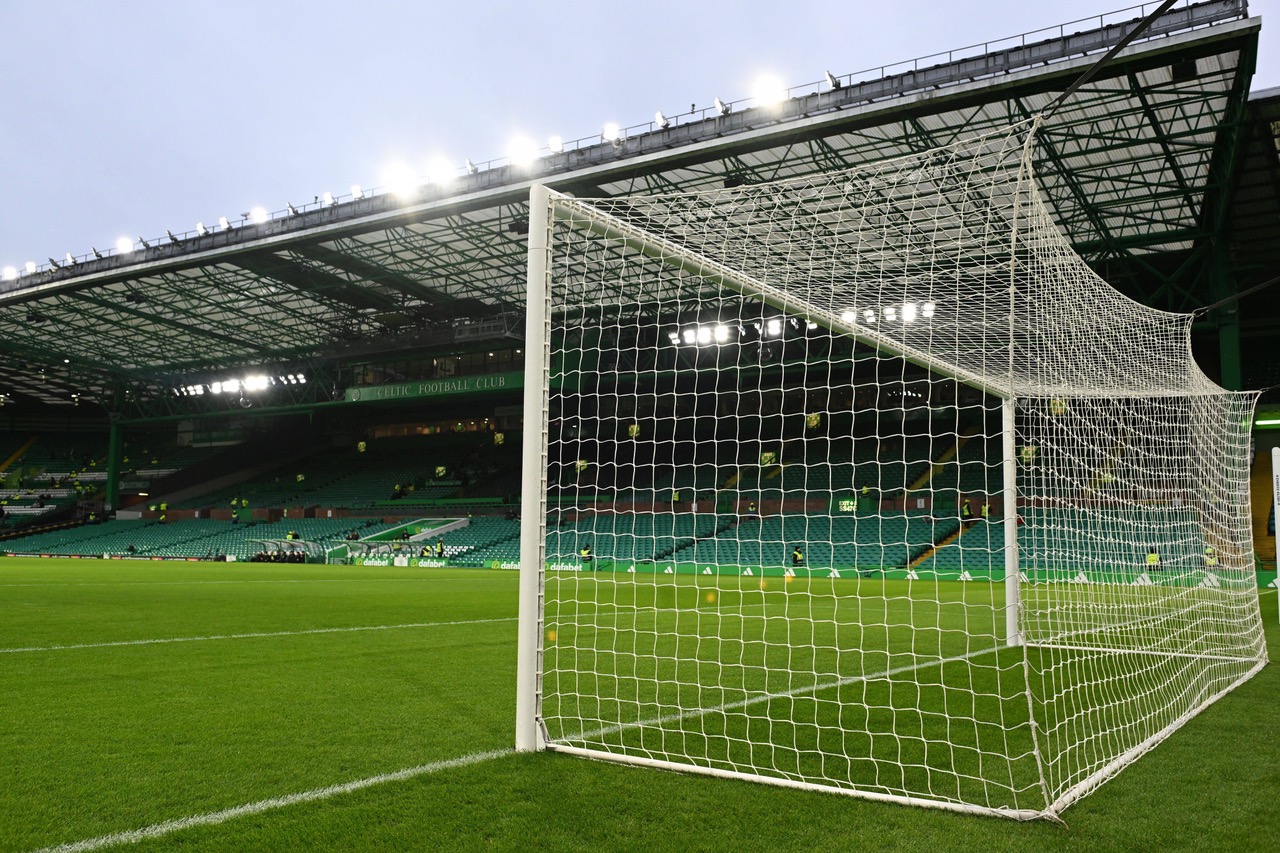
Celtic Park ahead of the match between Celtic and Motherwell on 26th December 2024. Picture by Mark Runnacles Shutterstock
Celtic today feel less like a football club with a clear sense of community and more like a corporation that tolerates its supporters as stakeholders to be managed. That’s the disconnect, not just between board and fanbase, but also between rhetoric and reality.
When Celtic talk about stability, it’s often presented as a virtue. And to a point, it is. The club has remained financially secure, a rare achievement in an industry defined by chaos. But over time, that same stability has hardened into something else, a culture of risk aversion, of comfort, of self-satisfaction disguised as prudence.
The minutes from Question 7, which focused on board renewal and independence, tell the story clearly. The club insisted that Celtic’s board has a mix of experience and new ideas, pointing to the appointment of non-executive directors as evidence of balance. But to most supporters, that balance looks like an echo chamber. The same faces, the same voices, the same philosophy, repeated year after year, long after its effectiveness has waned.
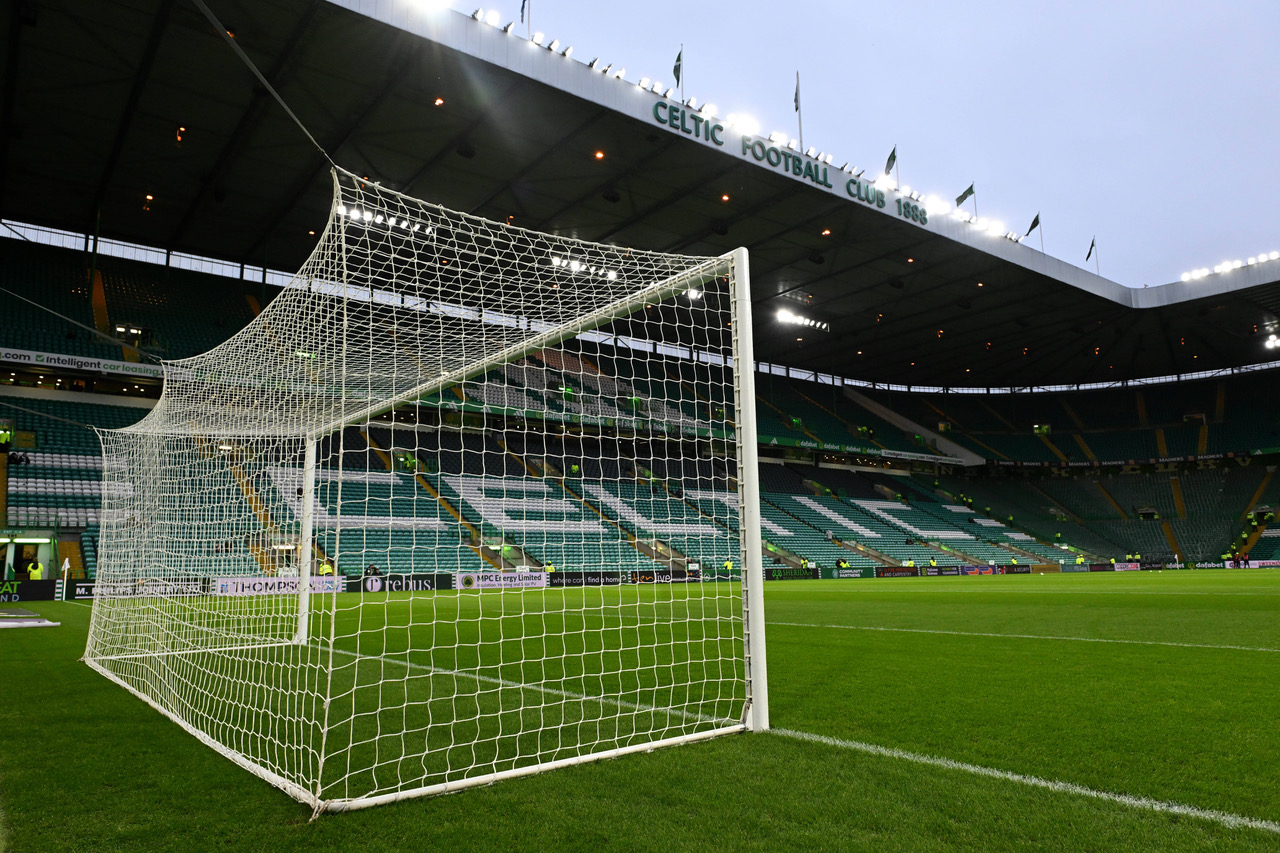
Celtic Park ahead of the match between Celtic and Motherwell on 26th December 2024. Picture by Mark Runnacles Shutterstock
There’s no sense of succession, no sign of intellectual challenge within the boardroom. The chairman, the chief executive, and the long-serving non-execs speak often about collective responsibility, but collective responsibility without dissent is just consensus management. It protects the institution but rarely progresses it.
In modern football, the strongest clubs are those that evolve, not just on the pitch, but in governance, structure, and openness to external expertise. Celtic’s refusal to modernise their leadership model has become the defining reason they remain reactive rather than proactive, especially when competing in Europe. Stability, once a virtue, is now a straitjacket.
The club insists that its governance processes are robust, that decisions are made collaboratively, with checks and balances at every level. But when fans press for detail, those claims quickly unravel.
Transfers require board approval by email. Key roles are filled without open recruitment. Communication strategies depend on corporate filters rather than genuine dialogue. These are not hallmarks of modern oversight. They’re hallmarks of a closed system, one that fears scrutiny because it equates scrutiny with instability.

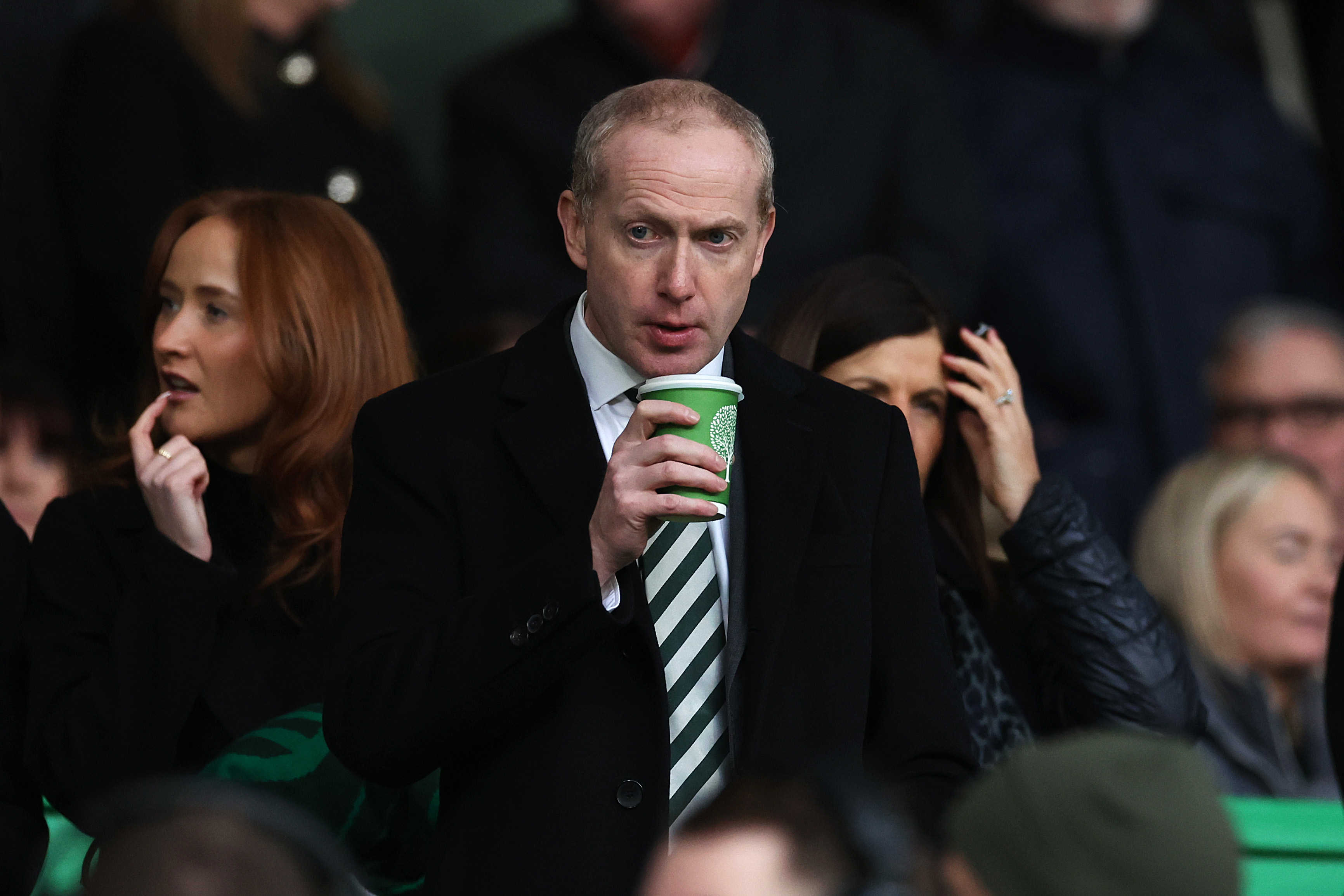
Michael Nicholson, Chief Executive Officer of Celtic, looks on from the stands ahead of the Premiership match between Celtic and St. Johnstone at Celtic Park on December 29, 2024. (Photo by Ian MacNicol/Getty Images)
And this bleeds into the culture of the football department itself. A CEO who shrugs at questions about “club signings.” A manager who feels disconnected from the recruitment process. Supporters who hear about strategy only when it’s under fire. That’s not oversight, that’s control. The board doesn’t just manage risk, it manages perception, even when perception has already turned against it.
The irony is that the club often speaks of transparency. They launch surveys, commission reports, and do hold structured dialogues. But as the fan survey delay and the Fairhurst inquiry both showed, transparency at Celtic is a matter of timing and tone, not truth. Information is shared when it’s polished, not when it’s needed. And when supporters sense that curation, trust collapses.
At the heart of Celtic’s cultural problem lies a leadership team that confuses experience with credibility. Many of those in senior roles have been in post, or in proximity to power, for decades. That longevity brings knowledge, yes, but it also breeds insularity.
What’s missing is emotional intelligence. The ability to read the room, to recognise tone, to understand that communication is not just about words, but empathy. When Michael Nicholson rejects the premise of a fan question, he isn’t just disagreeing, he’s signalling hierarchy. When the club’s response to policing overreach feels subdued, it isn’t diplomacy, it’s detachment.

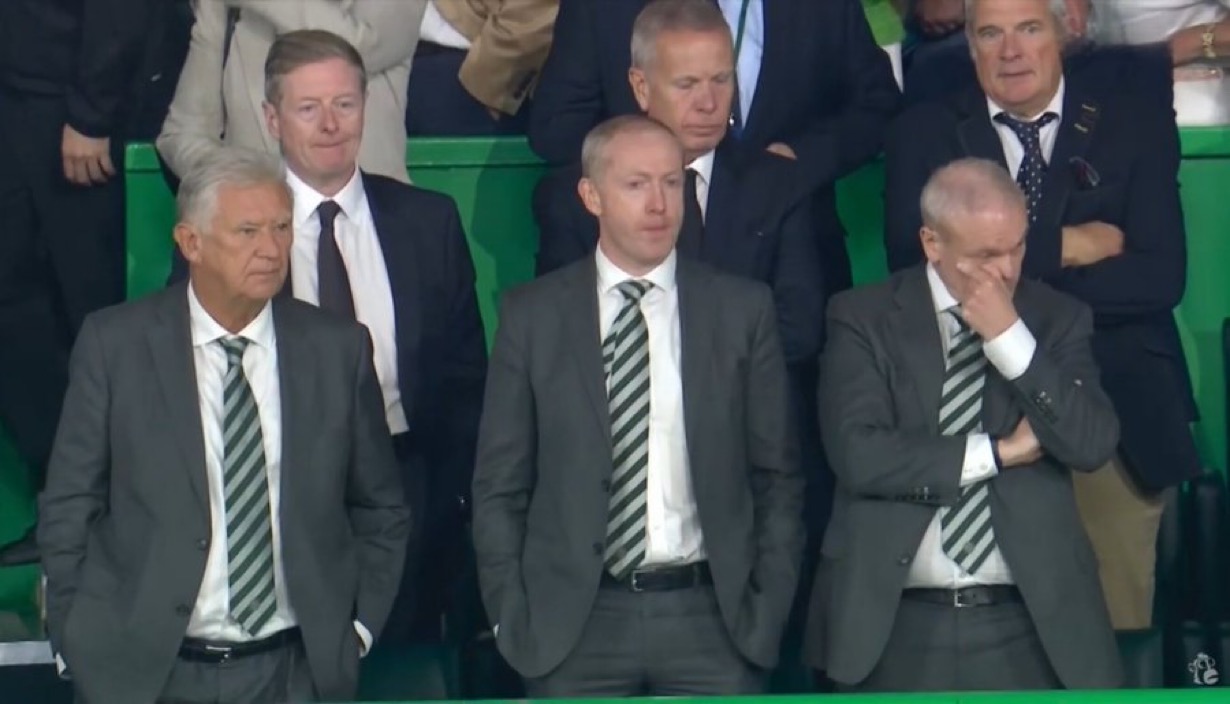
Peter Lawwell, Michael Nicholson and Christopher McKay watch on as Celtic draw 0-0 with Kairat at Celtic Park in the UEFA Champions League play-off match, worth over £40m to the winners.
Contrast that with Kevin McQuillan’s approach in the fan survey discussion. He acknowledged mistakes, outlined lessons learned, and treated supporters as adults. It wasn’t revolutionary, it was human. And the response was telling, fans welcomed it instantly, not because it solved everything, but because it sounded real.
That’s leadership. Not always having the answer but being willing to stand in the space between success and criticism and own the conversation. Celtic, for all their size and history, rarely occupy that space anymore. They talk at supporters, not with them.
Culture, more than any system or strategy, defines a football club’s trajectory. A healthy culture encourages self-awareness, agility, and humility. A stagnant one rewards conformity and deflects accountability.
Right now, Celtic’s culture feels closer to the latter. The club’s public tone, cautious, corporate, procedural, mirrors its internal one. Meetings that should be collaborative become defensive. Criticism is treated as disloyalty. And so the distance widens, not just between club and fans, but between Celtic’s potential and its reality.
The irony is that no amount of money, structure, or data can compensate for a broken culture. The club can expand Barrowfield, hire consultants, and talk endlessly about progress, but if its leadership can’t communicate trust, if it can’t welcome scrutiny, then the ceiling remains self-imposed.

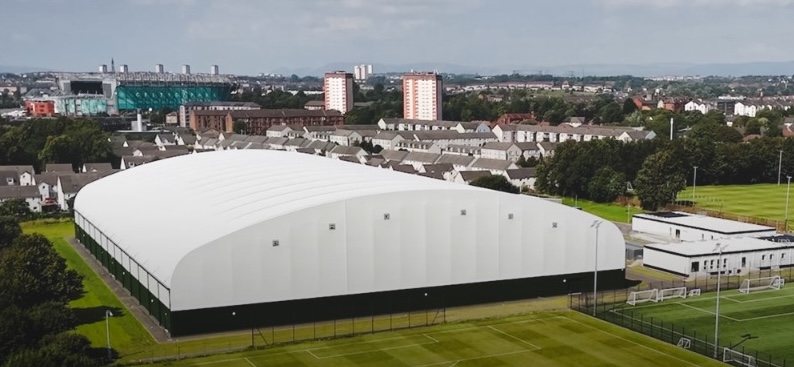
New Barrowfields, image Celtic FC
It doesn’t have to stay this way. The club’s operational review, mentioned in the minutes, could yet be an opportunity, a moment to reset, to modernise not just departments but dynamics. That requires courage, and an acceptance that what once worked no longer does.
Celtic don’t need revolution. They need reflection. They need board members willing to challenge one another, executives who can admit when tone deafness has cost them credibility, and a leadership team that remembers its true constituency, the supporters.
For all the talk of global markets and strategic growth, the club’s strength has always come from something simpler, its people. Those who fill the stadium, fund the projects, and carry the history. Until that truth is restored to the heart of decision-making, Celtic will continue to look modern on paper, but hollow in practice.
And that, more than any transfer window or European exit, is the real measure of where the club stands today.
Niall J
Continues on the next page…There’s a new kind of conversation between the club and Celtic Fans Collective…
There’s a new kind of conversation between the club and Celtic Fans Collective
Celtic Fans Collective, Founded September 2025.
Monday’s meeting between Celtic executives and the Celtic Fan Collective was never going to solve everything in one night. But it mattered, because it marked a new kind of conversation…
For the first time in a long time, supporters’ frustration was voiced directly to those running the club, and those same executives were forced to listen. What followed was a night of candour, confrontation, and, cautiously, perhaps the beginnings of something better.
Celtic CEO Michael Nicholson at Rugby Park, Kilmarnock v Celtic, 14 September 2025. Photo Vagelis Georgariou (The Celtic Star)
Michael Nicholson opened the meeting by acknowledging that the club “was not in a place where it would want to be” and accepted that recent communications “had not been well received.” It was a rare moment of self-awareness from the top of the club.
He invited the recognised supporters’ groups, including the newly formed Celtic Fans Collective, to engage, stressing the shared goal, “We respect that everyone is entitled to their view… we all want success for Celtic and we want the team to win.”
Supporter representatives, led by Paul Quigley, agreed with the spirit of dialogue but wasted no time in pressing their case. They reiterated their seven key questions and outlined why the Collective had been formed, a broad and diverse movement united by the belief that change is needed at the top of Celtic. Personnel, strategy, accountability, all were on the table.
The Collective argued that the 2025 summer transfer window and the subsequent club statement had been a breaking point. Poor preparation for Europe, five consecutive failures to qualify via the Champions League rounds, and the tone of official communications had combined to create what one representative called “a flashpoint.” The club’s ambition to be “world class in everything we do,” they said, had become hollow without the structure, clarity, or leadership to make it real.
Nicholson confirmed that Celtic’s strategy was clear, to dominate domestically and compete in the Champions League through developing and trading top players, improving facilities, and investing in the academy. But supporters pushed back. That vision, they said, had become a catch-all phrase. Aspirational, yes, but lacking tangible delivery.
Paul Tisdale, manager of Exeter City prior to the Emirates FA Cup Second Round Replay between Exeter City and Forest Green at St James Park on December 12, 2017. (Photo by Dan Mullan/Getty Images)
The CEO pointed to presentations at the Fans’ Forum as part of the strategy communication. Yet fans know that isn’t enough. Paul Tisdale may have met some fans, but a tiny fraction of them. That needs to develop. The club must use its media platforms, such as Celtic TV, even Fan Media, to communicate its football vision globally and consistently, not as a tick-box exercise, but as a core part of modern engagement.
Transfer strategy was another sticking point. Fans highlighted that the club routinely fails to complete business early in the window, leaving the team underprepared for European qualifiers.


Peter Lawwell, Michael Nicholson and Chris McKay applaud during the Scottish Premiership match between Celtic and Livingston at Celtic Park on August 23, 2025. (Photo by Ian MacNicol/Getty Images)
Nicholson defended the club’s approach, insisting Celtic seeks to complete business as early as possible and that its investment model allows flexibility. But supporters challenged the notion that the model was working. But we need to be more honest about that, otherwise the same mistakes will happen. Go outside the club, review it like the Fairhurst Report. It’s not working. Admit it, ask for help, and implement recommendations.
There were also deeper questions about football operations. Supporters asked who precisely controls transfer negotiations and valuations. The club said it used a multi-disciplinary model, led by football operations and concluded by the executive team.
When asked why the manager had referred to “club signings,” Nicholson shrugged. That gesture summed up much of the night, fans saw evasion where they wanted clarity. The call for a Director of Football, with a defined budget and authority, is obvious and it needs to be recognised sooner rather than later.


Celtic’s leadership highlighted the investment at Lennoxtown and Barrowfield, citing homegrown success stories and a pathway for youth players. But Kieran Tierney remains the last Champions League-level player produced by the academy, and he debuted a decade ago. We have the bricks and mortar now, but the professionals running it have dropped the ball. Revamp the Academy coaches and leadership. It’s time.
When asked about European performance, Nicholson pointed to “19 out of 20 years” of group stage qualification as evidence of success. Supporters saw it differently. You’re not judged on participation at Celtic. You’re judged on being competitive in the Champions League. We must stop settling for participation and start striving for genuine progression in the top competition.
You cannot state qualification for Europe is enough, 19 out of 20 years sounds grand, but finishing 4th in the Scottish Premiership, will almost get you that. That’s not ambition, that’s hiding behind settling for complacency. Aim higher. A star on the shirt means striving for Champions League competitiveness is a non-negotiable KPI.
Celtic supporters shows their support at full-time following the team’s victory in the Scottish Gas Scottish Cup Semi Final match between St Johnstone and Celtic at Hampden Park on April 20, 2025. (Photo by Ian MacNicol/Getty Images)
As the meeting ended, Paul Quigley voiced the feeling of many in the room: “Discussions were candid and wide-ranging, but ultimately failed to produce concrete outcomes or commitments.” Supporters would report back to their groups, disappointed but undeterred.
Nicholson acknowledged their frustration and accepted that confidentiality limits how much detail could be shared publicly. He reaffirmed the club’s commitment to reviewing supporter engagement and communications, including ongoing work around safe standing and the Fairhurst Report. Most importantly, he offered further meetings, signalling that dialogue, however tense, could continue.
This is where the glass-half-full perspective matters.
As our editor put it last week, “Rome wasn’t built in a day, but work has started.” The key now is refinement. Future meetings should involve smaller, focused groups, half a dozen at most, with expertise in specific areas like communications, finance, and football operations. Let those with relevant knowledge hold the club to account effectively.
There should be regular, structured meetings, perhaps every two or three months, with clear agendas, follow-up actions, and transparent updates shared publicly. Fewer fan representatives could act as a primary liaisons, ensuring continuity and clarity.
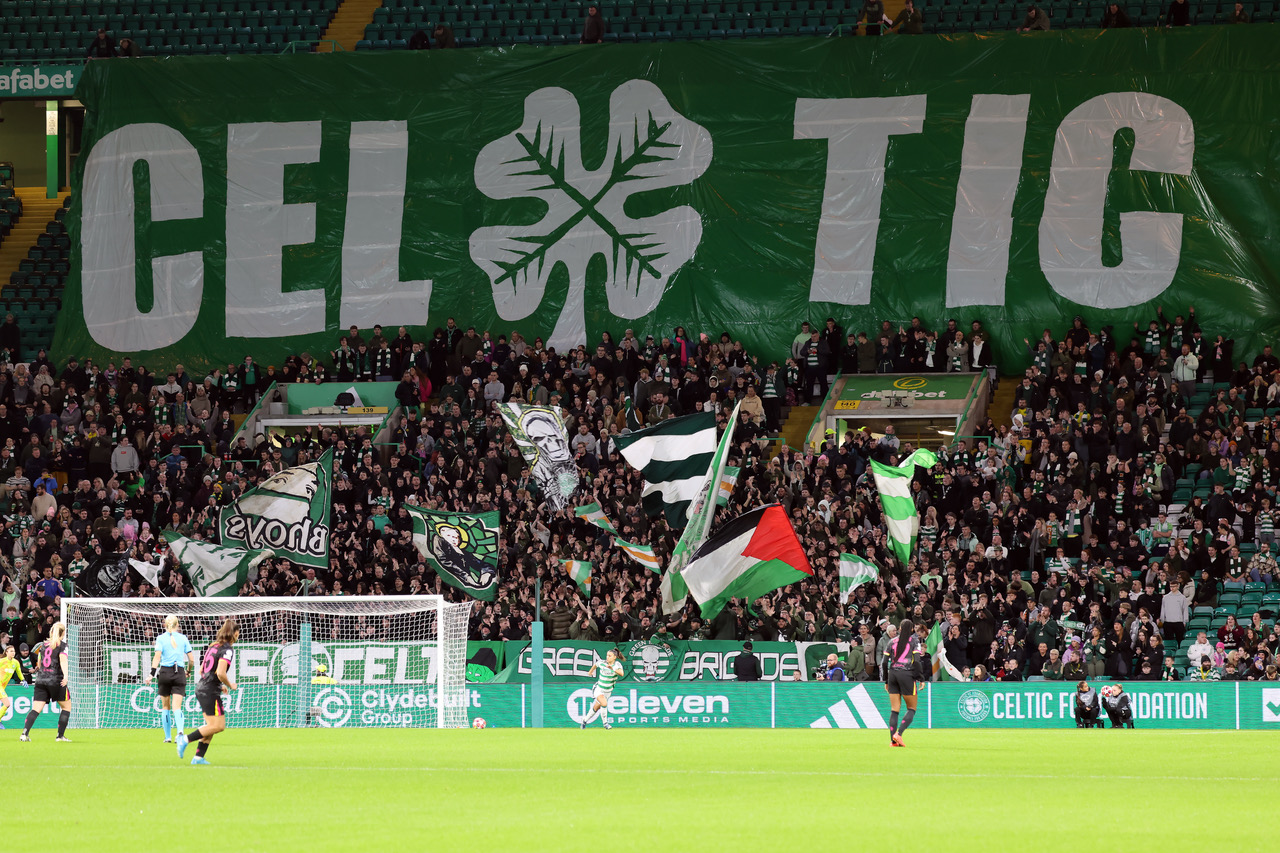
The brilliant Celtic End – Celtic v Chelsea, UWCL, Wednesday 13 November 2024. Celtic Park. Photo AJ (The Celtic Star)
Above all, both sides need to avoid falling into “goodies and baddies” narratives. Fans must recognise that confidentiality and compliance are part of being a PLC, while the club must understand that accountability is not hostility, it’s healthy governance.
Michael Nicholson, by background, is a cautious administrator. He came into Celtic to ensure the club would never face the financial chaos that destroyed Rangers FC. That caution has served Celtic well, to an extent, but it also breeds inertia. The challenge now is to evolve from caution to conviction, to take the same professionalism and apply it to communication, vision, and delivery.
The story of this meeting is the story of Celtic in 2025, a club caught between its immense potential and its own conservatism. Supporters are no longer content with platitudes. They want plans, progress, and proof.
Yes, the meeting was frustrating. But it was also a start. For the first time in years, the door is open. The Celtic Fan Collective earned its place at the table, now it can use that position wisely, persistently, constructively, and strategically.
Celtic, meanwhile, has a choice to make. It can continue to manage supporters, or it can start to work with them. The difference between those two paths will determine not just the next few seasons, but the culture and legacy of the club itself.

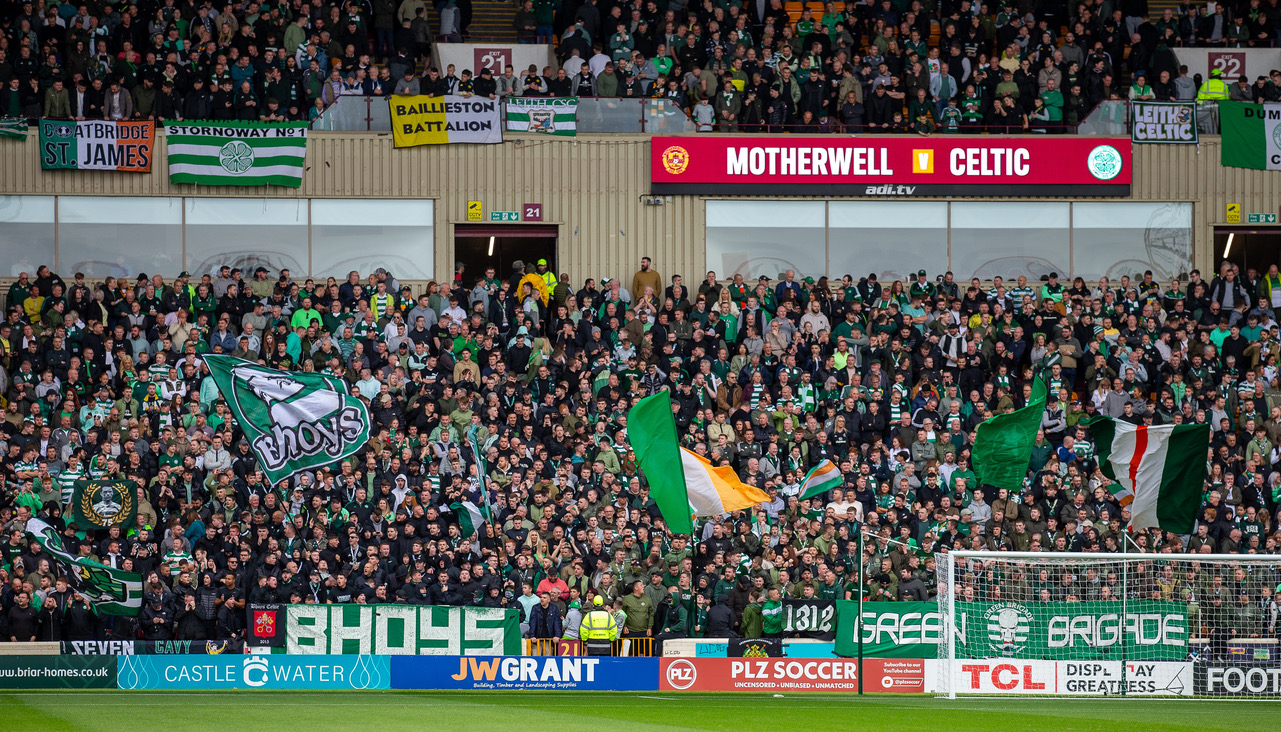
Celtic supporters at Fir Park, photo by Vagelis Georgariou
The creation of a Fan Advisory Board could be the key conduit for that progress. If designed properly, it can sit between the supporters and the board as a formal mechanism for dialogue, helping to turn sporadic confrontation into structured collaboration. Done right, it could give fans a recognised seat in shaping policy and hold the club accountable on its promises.
It’s not about replacing the fan voice, it’s about giving it permanence, process, and purpose.
Niall J
Get your copy of ‘Celtic in the Eighties’ which has been personally signed by Celtic legend Danny McGrain…

Celtic legend Danny McGrain is seen during the League Cup Final between Aberdeen and Celtic at Hampden Park on November 27, 2016. (Photo by Ian MacNicol/Getty Images)
Don’t miss the chance to purchase the late, great Celtic historian David Potter’s final Celtic book, Celtic in the Eighties. All remaining copies have been signed by the legendary Celtic captain Danny McGrain , who also wrote the foreword for Celtic in the Eighties. And you’ll also receive a FREE copy of David Potter’s Willie Fernie biography – Putting on the Style, plus you’ll only be charged for postage on one book. Order from Celtic Star Books HERE.

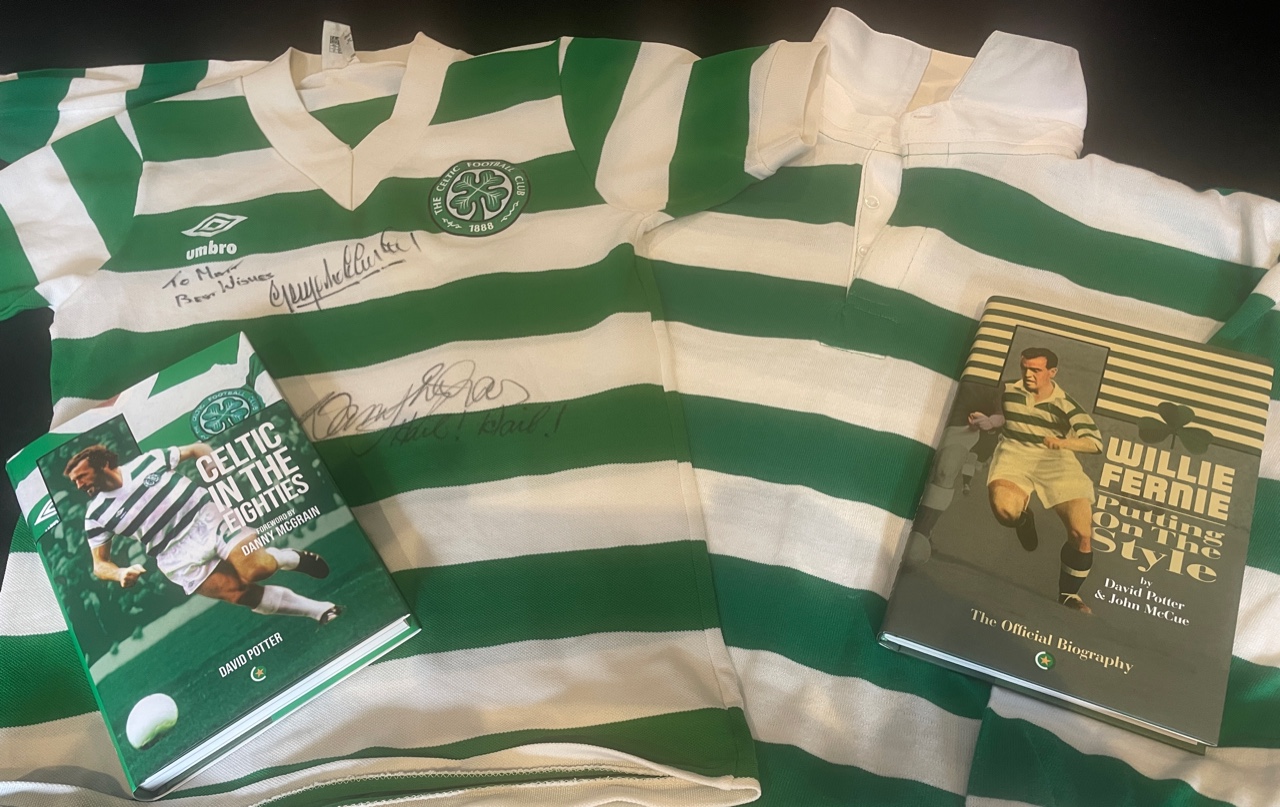
Celtic in the Eighties and Willie Fernie – Putting on the Style both by David Potter. Photo The Celtic Star
Danny McGrain has signed the remaining batch of David Potter’s outstanding final book Celtic in the Eighties so hurry to get your signed copy!
Ordering is simple, just place your order for Celtic in the Eighties at celticstarbooks.com/shop and we’ll do the rest, ensuring your copy is signed by Danny PLUS you’ll also receive a complimentary Willie Fernie book dispatched by the next working day, whilst stocks last.

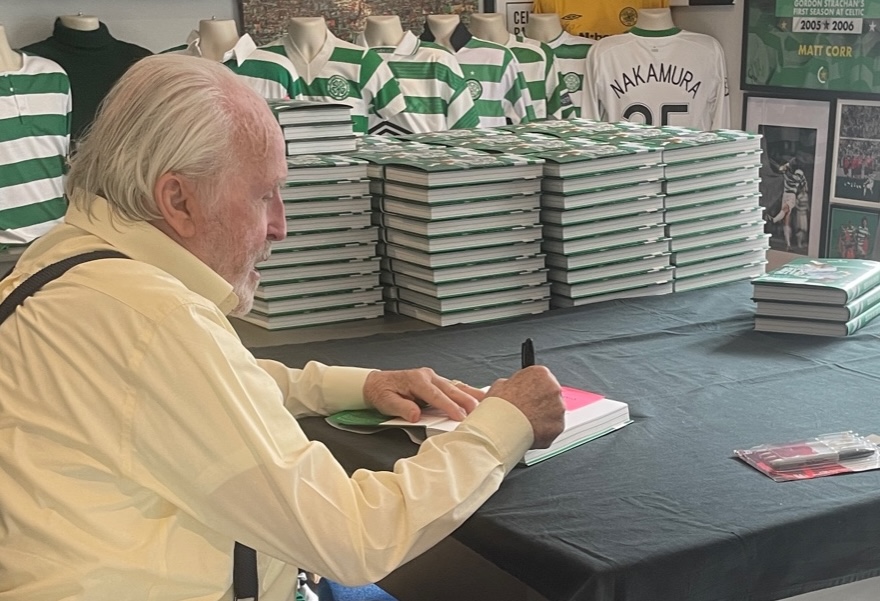
Danny McGrain signing copies of Celtic in the Eighties by David Potter. Photo: Celtic Star Books
Please note that stocks are now running very low indeed and the book will NOT be reprinted. Click on the image below to order. Also postage will only be charged on ONE book, not per item so if you are in Britain or the six counties you will pay £24.50 for both books – one side by Danny McGrain and that includes the postage costs for speedy delivery. As always the books are hardback and are of the highest quality.
CLICK ON THE IMAGE BELOW TO ORDER…


Celtic in the Eighties by David Potter. Out now on Celtic Star Books. Click on image above to order.