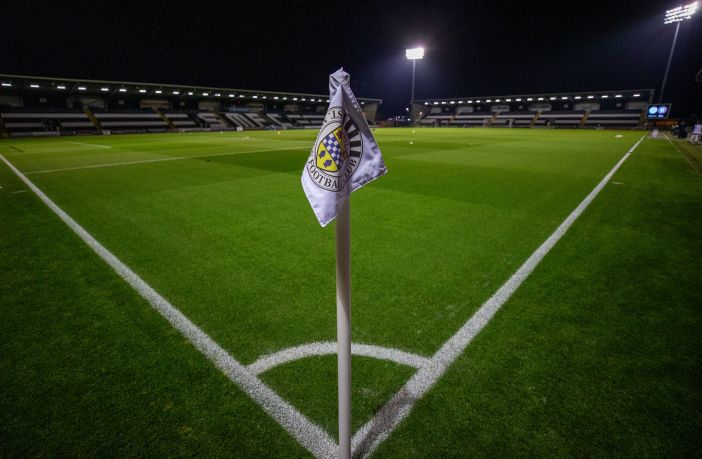
Celtic were in Paisley last night to face St Mirren. Back in 1894, the Celts were the first team to visit the Paisley team’s previous ground, St Mirren Park (Love Street). Over the years, the Bhoys have opened various teams’ home pitches. This article tells some of these stories…

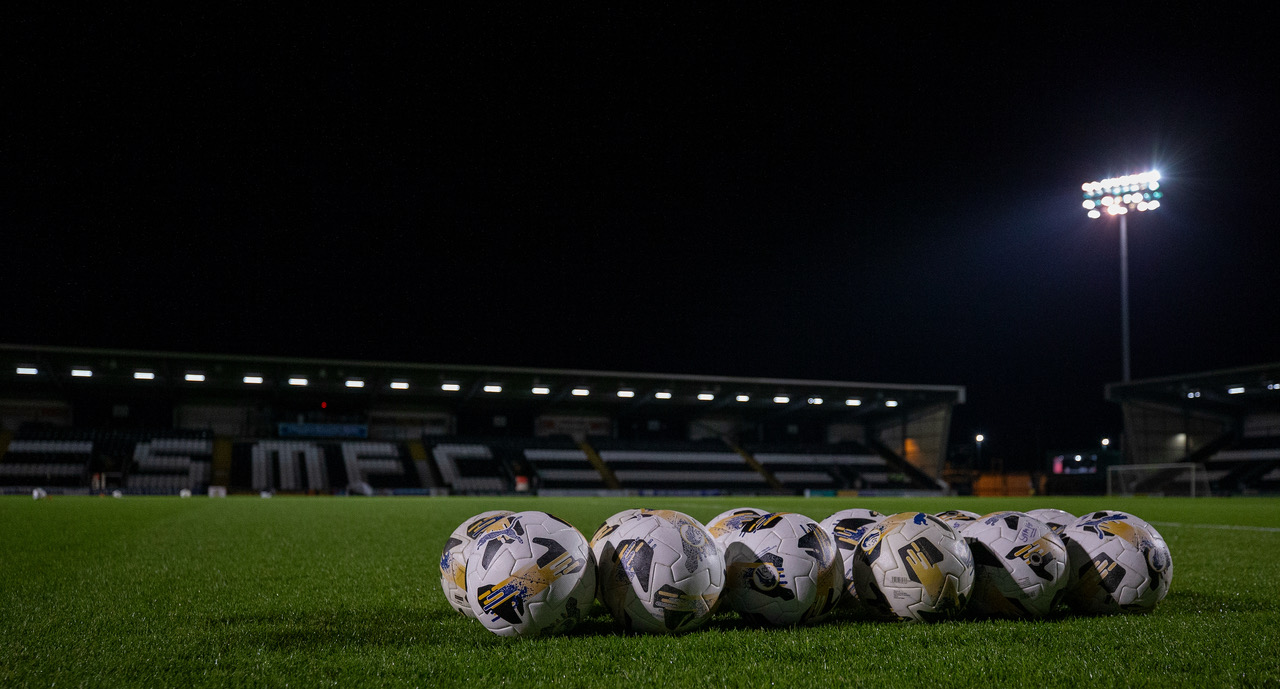
St Mirren v Celtic, 23 November 2025. Photo Vagelis Georgariou
In 1892, Newcastle East End took over Newcastle West End to form Newcastle United. In September of that year, East End played for the time at their new home venue of St James’ Park. Although this game was advertised as featuring ‘Newcastle East End’, in fact Newcastle United historians regard this as United’s first game at St James’ Park.

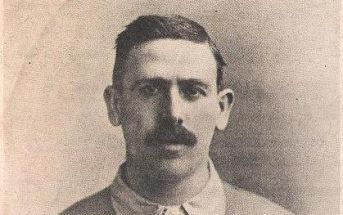
Johnny Campbell, Celtic FC. Photo The Celtic Wiki
Their visitors for this maiden match were Celtic, who were taking part in an English tour. 5000 fans were in attendance to watch the game, and they saw the visitors claim a narrow 1-0 win. Johnny Campbell got the only goal, making him the first man to score at St James’ Park when it was Newcastle United’s ground.
Closer to home, St Mirren have played at various venues in Paisley. In 1894, they moved to their Love Street ground, which was properly called St Mirren Park. On 8 September 1894, the Celts were the first team to visit.

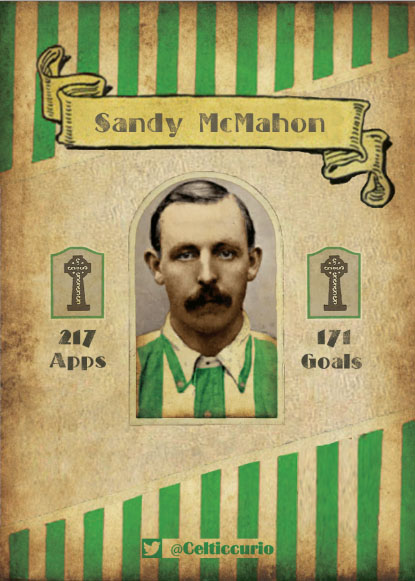
Sandy McMahon scored twice. Image by Celtic Curio
With the chance to see the new ground – and encouraged by good weather – St Mirren Park was packed for the Celts’ visit. Playing in a League game, the home side had little to cheer about on the park as they lost 3-0, thanks to goals for Celtic from Joe Cassidy and a Sandy McMahon double.
Love Street was of course a venue that would later have an important place in the hearts of Celtic fans. In 1986 – on the final day of the League season – the Bhoys famously won 5-0 to snatch the League title from Hearts, who fell to an Albert Kidd-inspired Dundee defeat.
Almost a year after the St Mirren game – on 3 August 1895 – Celtic were invited to play Motherwell. The purpose of this friendly match was to be the official opening of the new Fir Park. It was an utterly one-sided affair as Celtic hammered their hosts 8-1!

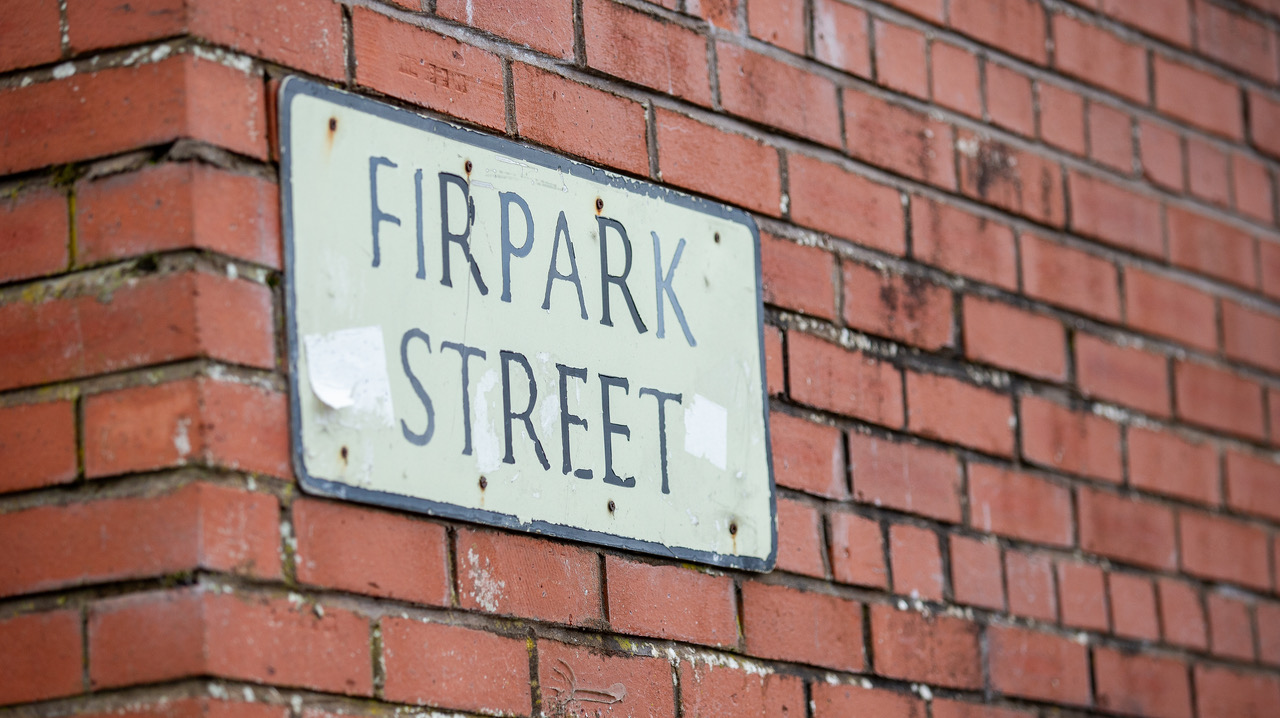
Fir Park, photo by Vagelis Georgariou
However, it could be argued that Motherwell and Fir Park later got revenge for this hammering. In 1937, Motherwell thrashed Celtic 8-0 at Fir Park, and this is the Celts’ biggest ever competitive defeat.
Strangely, the 1895 game saw Celtic playing twice in on the same day, using two different teams. Just as one set of green-and-white stripes was playing at Fir Park, another entertained Belfast Glentoran at Celtic Park, with the home side winning 6-0.
Continues on the next page…
Fir Park also featured on another occasion where Celtic played twice in one day. In 1916 – during World War One – Celtic were finding it difficult to complete all their games. So it was decided to play two games on 15 April 1916. First, Celtic beat Raith Rovers at Celtic Park before travelling to Motherwell. A 3-1 win for the Bhoys meant they were champions!
Partick Thistle is another team that has had numerous home venues. In 1897, they moved to Meadowside, which is right next to the River Clyde, close to the modern day Riverside Museum. On 8 September 1897, Celtic opened this ground, beating Thistle 1-0 in a friendly.
This is another venue where Celtic have some league-winning experience – and also made Scottish football history. In April 1907, Celtic won the Scottish Cup by beating Hearts. Four days later they went to Meadowside and beat Partick Thistle 2-0. This meant Celtic were the Champions – and also the first ever team to win a League and Scottish Cup double.
Another team whose grounds were close to Glasgow’s biggest river was the appropriately named Clyde. One of their home venues – Barrowfield – was where Celtic first won a trophy, the 1889 Glasgow North Eastern Cup.
However, in 1899, they moved to a new home, namely Shawfield, which in later years became a greyhound racing track. In August 1899, Celtic became the first team to play there, doing so in a League match which ended 0-0.
Interestingly, Celtic later used Shawfield as a home venue. In 1929, a huge fire caused massive damage at Celtic Park. This forced the Bhoys to play elsewhere, which included hosting Falkirk and Third Lanark at Clyde’s ground.
In Scottish football, there are numerous examples of ground names which have been used for more than one venue. Celtic Park is one example, as is Rugby Park in Kilmarnock. In 1899, Killie moved to the second of these grounds, which is still the modern day site.

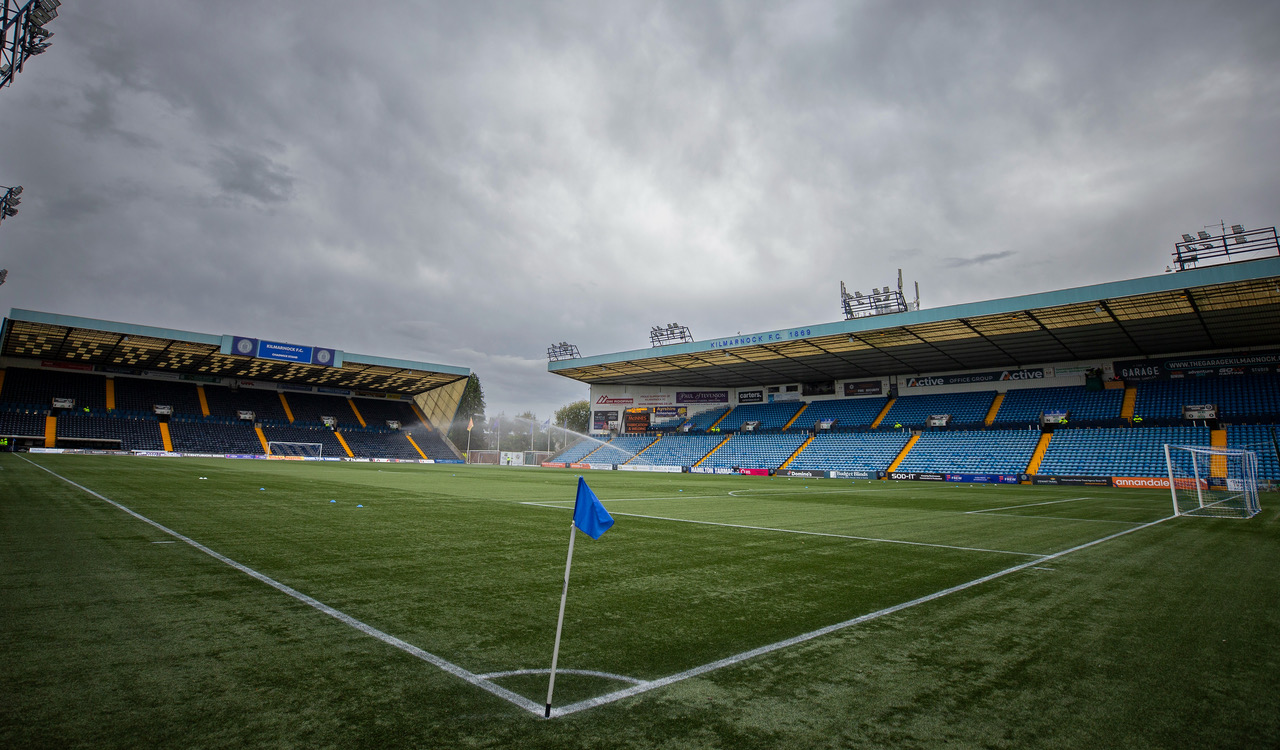
Rugby Park, Kilmarnock v Celtic, 14 September 2025. Photo Vagelis Georgariou (The Celtic Star)
On 26 August 1899, Celtic were the first team to be welcomed by the Ayrshire men. Playing in a League game, big numbers turned out with 10,000 packing into the venue, 2000 of which were supporting the Celts. In fact, special trains from Glasgow had been put on to boost the numbers. They watched Celtic go two goals in front but throw away this lead and have to settle for a 2—2 draw.
In the intervening years, Rugby Park has become an important venue for Celtic. Outwith Celtic Park, this is the place where the Celts have most often played in title-winning games.
Another example of a ground which is the second to use its name is East End Park in Dunfermline. Celtic have a small place in the history of both of these venues.

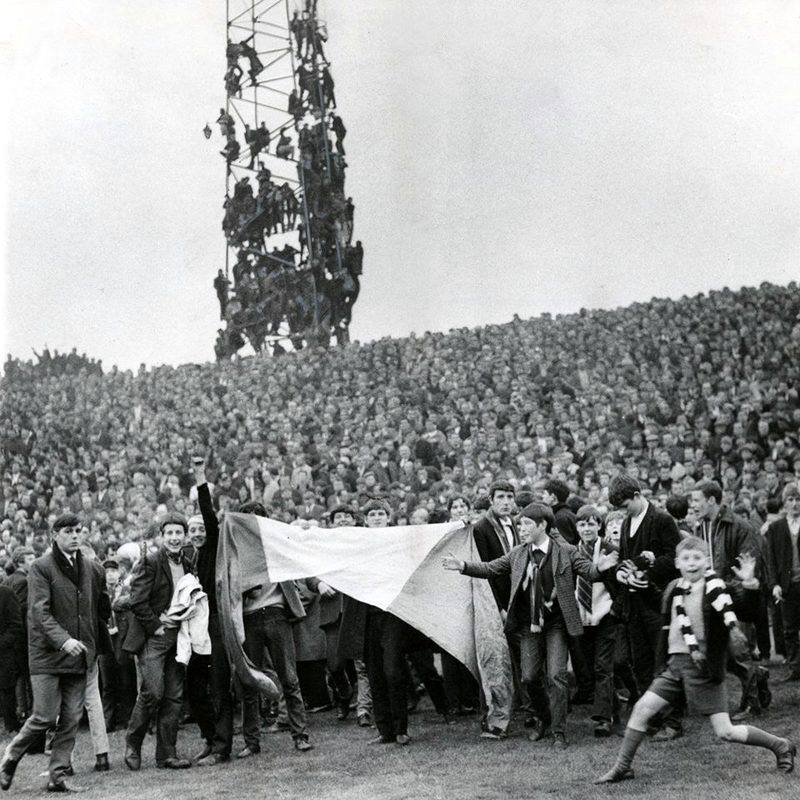
Celtic fans at East End Park in 1968 to see Celtic win the league. Photo The Celtic Wiki
On 6 May 1903, the Celts became the last team to visit the first East End Park. As part of a transfer deal, it had been agreed that Celtic would play a friendly in Fife. This ended 7-2 to the Bhoys on what one newspaper described as a “quagmire” of a pitch, partly explaining why the Pars were on the move.
Continues on the next page…
Three months later, Celtic returned to Dunfermline, this time to open the second East End Park. On 19 August 1903, they played another friendly. This time, it ended 5-1 to the Glasgow men. It actually could have been more than five but torrential rain meant full-time was called 20 minutes early.
Post-match reports praised Dunfermline’s new ground, and also the new strips that the home team were wearing. In fact, August 1903 was also the month in which Celtic first wore their now famous green-and-white hoops.

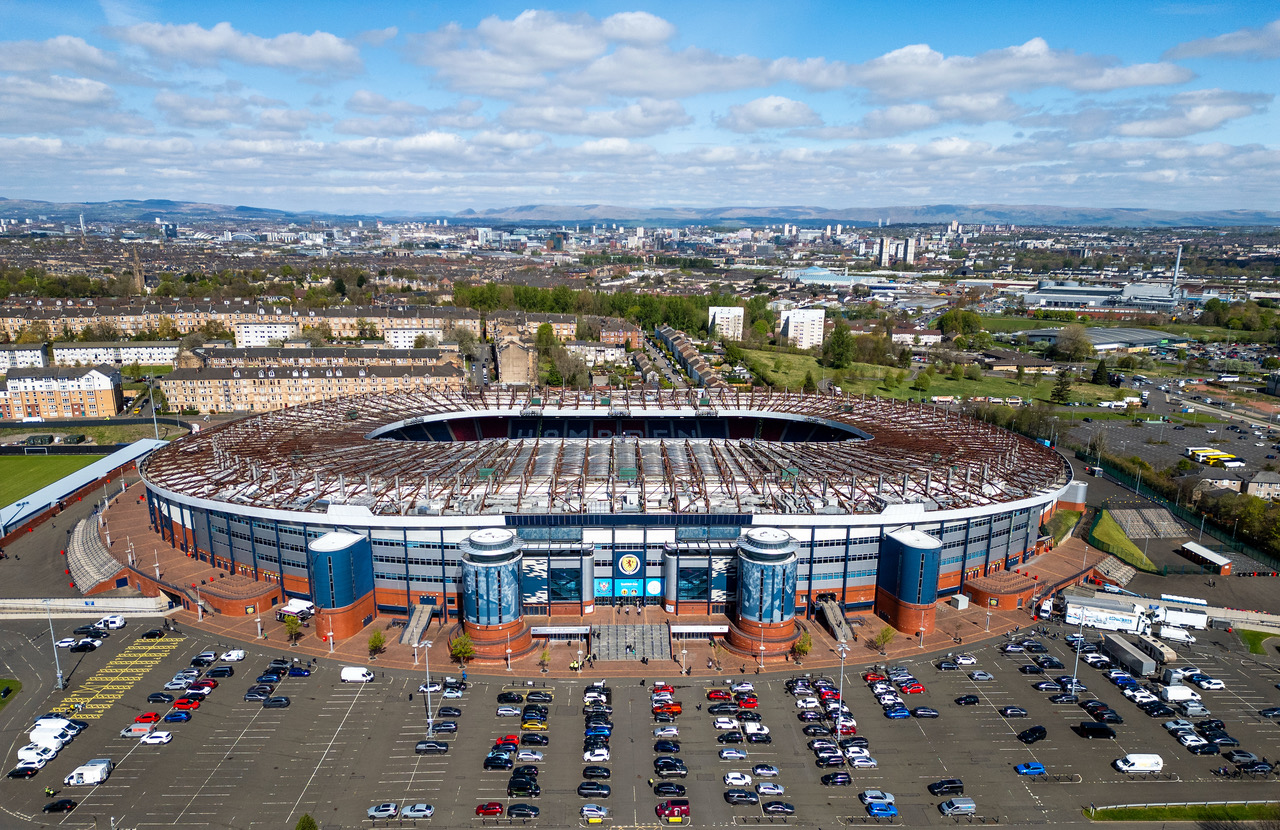
St Johnstone v Celtic, Scottish Cup semi-final at Hampden Park on Sunday 20 April 2025. Photo by Vagelis Georgariou (The Celtic Star)
Hampden Park has been an important location in Celtic’s history. In fact, there have been three Hampden Parks. In 1903, Queen’s Park moved to the third – and current – one. In October of that year, Celtic were the first team to play at the venue, but they lost 1-0 to Queen’s Park in a League game.
This was far from Celtic’s only Hampden story in the ground’s opening season. In April 1904, Celtic beat Rangers 3-2 to win the Scottish Cup, a match which created the infamous ‘Old Firm’ label.

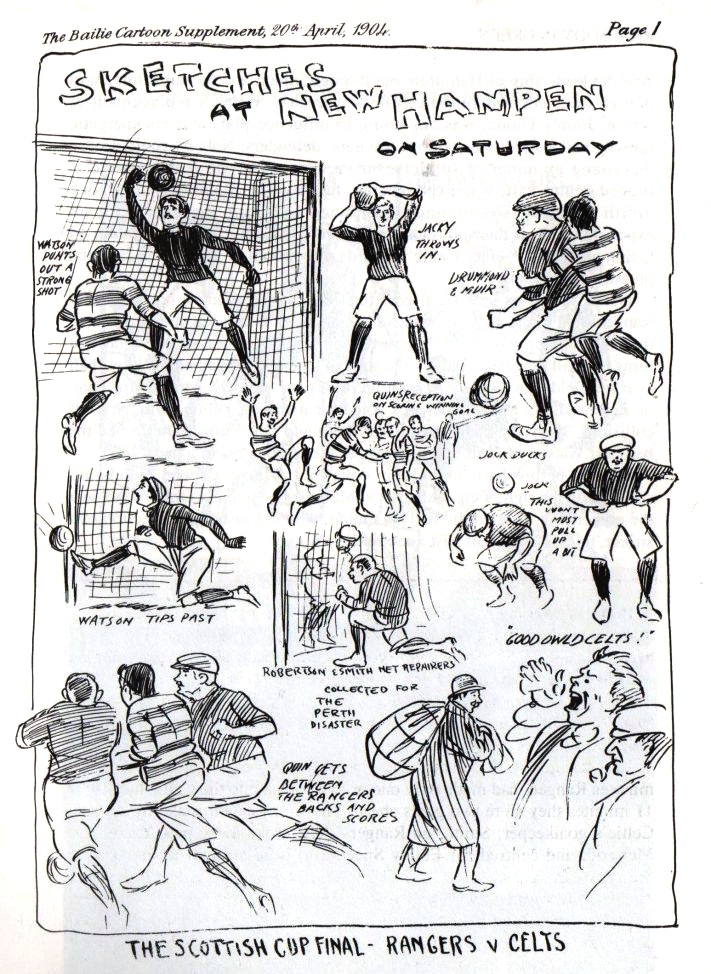
Celtic – Scottish Cup winners 1904. Jimmy Quinn is the Celtic Hero
It was very much a day of firsts, being the first Scottish Cup Final at the current Hampden, witnessed Celtic’s first Scottish Cup Final hat-trick – scored by Jimmy Quinn – and was the first trophy claimed by the Bhoys when wearing green-and-white hoops.
Another story which is not about an entire stadium took place in 1912. That year, Celtic went to Kilbowie in Clydebank. On 30 August 1912, the Bhoys played Clydebank Juniors to open the ground’s new pavilion. Celtic won 2-1 that night.
Twenty years later – in 1932 – Celtic made an east coast journey to open a Junior ground. Dundee side East Craigie had moved to a new home, called Craigie Park. The ground was officially opened by Lord Kinnaird, a football legend who played in nine FA Cup Finals, still a record to this day. 7500 fans were attracted to this friendly match and they saw the west coast team win 3-1.
Two other venues that were opened by Celtic had a Rangers connection, one of which would be considered to be an unusual event.
On 20 August 1935, Rangers and Celtic left their southside and east end homes to go to Springburn in the north of Glasgow. Their destination was Petershill Park, home of Petershill. The two teams had agreed to play a friendly as the official opening event for the ground, a match in which the Ibrox men ended up as 3-1 winners.
The following year, Celtic and Rangers players were once again on the same pitch – but this time they were on the same side! In 1936, Glasgow University opened new recreation grounds in Garscadden. In the first game, a joint Celtic and Rangers played the Glasgow University team. It ended 7-1 to the ‘Old Firm’ side.
Continues on the next page…
Previously, Glasgow University recreation grounds had been located on the main university campus, just next to the famous tower building. This had an important place in Celtic history as the first venue in which the Bhoys played a competitive game and also cup final, both coming in the 1888 Glasgow Exhibition Cup.
The Celts have officially opened floodlights at different venues too. In March 1953, the Bhoys did this at St James’ Park – where they had previously been the first visitors against Newcastle United – and this time they lost 2-0 to the home men.

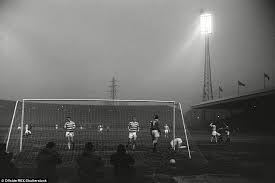
Celtic Park’s first floodlit game on 12 October 1959. Celtic v Wolves. Photo The Celtic Wiki
And then in October 1953, Celtic were the first club side to play under a lighted Molineux, losing 2-0 to Wolves. Six years later, Wolves returned the favour by being the first visitors at Celtic Park to play under floodlights. The English side also won 2-0 that night too.
Another floodlight opening event once again united Celtic and Rangers. In 1959, the two sides agreed to send representatives to Inverness to officially open the floodlights at Telford Street Park, home of Caledonian FC. On 11 March 1959, the ‘Old Firm’ side beat the home team by four goals to two.
In the 1980s, the Celts had two trips to southern Scotland in relation to floodlights. In May 1980, they travelled to Albert Park in Hawick to play Hawick Royal Albert; the purpose of the game was to raise money to buy floodlights. And then in November 1981, the Bhoys returned to the same venue to open the floodlights that they had helped fund, enjoying a big 9-1 victory.
Indeed, Celtic helping open parts of grounds such as new stands or floodlights has happened at various other places too, including Lossiemouth, Blantyre and Stow.
One ‘Scottish’ ground which always causes confusion is Shielfield Park, home to Berwick Rangers. Although the pitch is geographically located in England, the home team play their football in Scotland. Like many other grounds, there have been two Shielfield Parks. The second of these opened in 1954, and Celtic were the first visitors; the Bhoys’ reserve team who enjoyed a 4-1 victory in a ground where the main stand was not yet completed or open.
The practice of Celtic opening grounds has continued in more recent times. On 21 July 1992, the Bhoys went to Cork to open the new Bishopstown ground. However, it did not yet have a safety certificate so the players had to change in a portakabin! Still, it didn’t put them off as Celtic had a comfortable 2-0 victory against Cork City.
Bizarrely, despite all the times they were the first visitors to other grounds, Celtic WERE NOT the first team to play at the original Celtic Park. Instead, in May 1888, Hibernian played north Glasgow side Cowlairs. What was billed as a ‘Grand Exhibition Match’ ended in a scoreless draw.
Continues on the next page…
This meant that when Rangers came to visit later in the month, the Bhoys were the first team to win at the ground, thanks to a 5-2 triumph. Neil McCallum scored not only Celtic’s first goal but also the first goal at the new venue.
However, when the second (and current) Celtic Park opened, the Celts were the first team to play there. In August 1892, Celtic faced Renton in the first football game at the new ground. It proved to be an enthralling contest. Jock Bell of Renton became the first man to score, but eventually the Celts went on to claim a late 4-3 League victory.
This game also continued a remarkable record enjoyed by one of the Celtic players. Johnny Campbell equalised in this match, making him the first Celt to score at the second Celtic Park. In 1892, he was also the first player to score at St James’ Park when it was being used by Newcastle United and in 1897 he got the first ever goal at Villa Park, when he was on Aston Villa’s books.
As a club renowned for the huge numbers in which its fans travel, Celtic always bring noise and colour to the away grounds they visit. This explains why they have so often been deliberately invited to open new parks. In the years to come, this will no doubt continue as yet more venues have the chance to welcome Celtic’s green-and-white army.
Matthew Marr
If you want to learn more about Celtic history, follow Hail Hail History on Twitter/X. You can also take part in a FREE Celtic history walking tour. Visit celticwalkingtours.wordpress.com for more information.

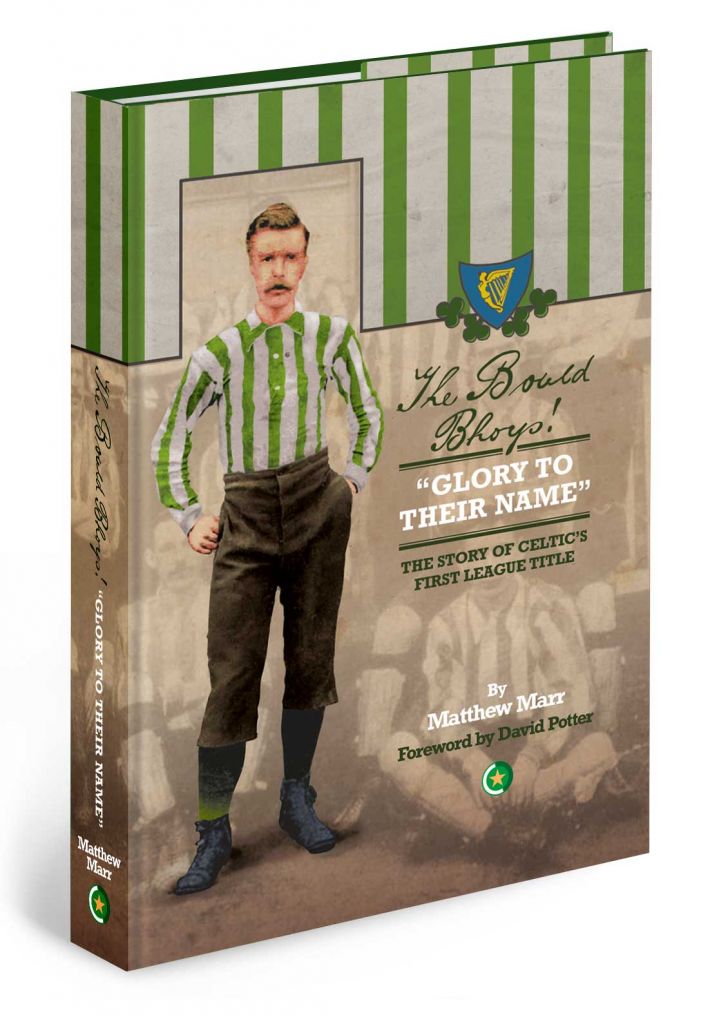
Click on cover to order a hardback copy
Matthew’s debut Celtic book titled ‘The Bould Bhoys – Glory to their name’ was published by Celtic Star Books last year and is available to order HERE. This brilliant book is also available on Amazon Kindle for just £3.49 and includes all photo sections that appear in the hardback edition.

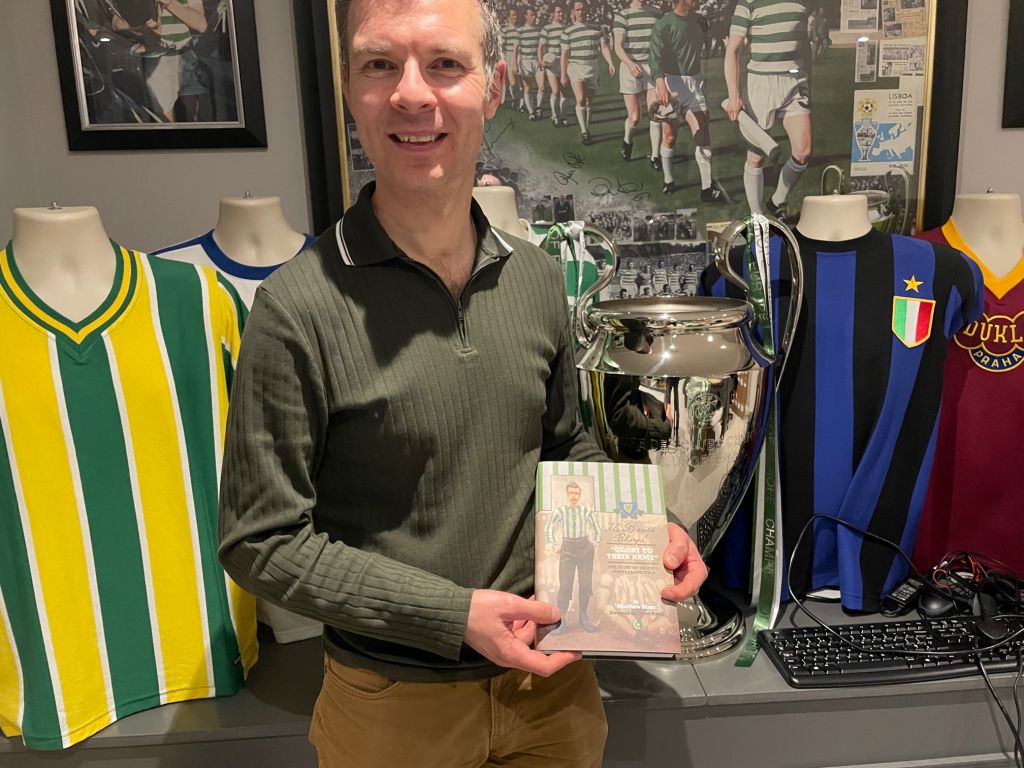
Matthew Marr with his debut Celtic book, Glory to their name, which tells the story of Celtic’s first ever title win. Photo The Celtic Star


Celtic in the Thirties by Celtic Historian Matt Corr is published in two volumes by Celtic Star Books.