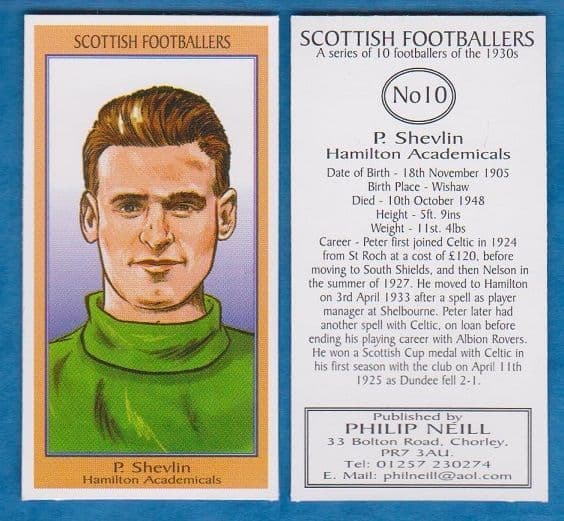
His career would then take an unexpected twist in the opening week of February. On the second of that month Celtic unexpectedly lost 3-2 at home to Hibernian in a rescheduled League match and three days later Peter was in his usual place between the sticks against non-League Brechin City at Glebe Park in the second round of the Scottish Cup. Celts lined up as follows for what would be the final time Peter would play in a competitive match for Celtic.
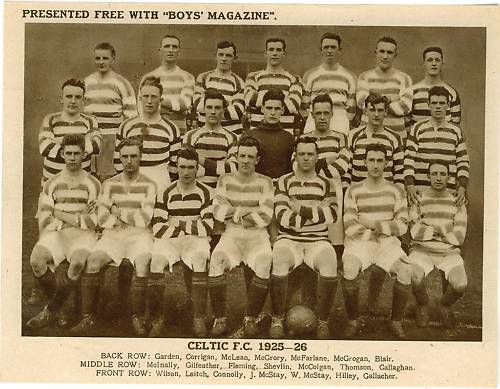
Peter Shevlin, Willie McStay & Hugh Hilley; Peter Wilson, John Donoghue & Frank Doyle; Paddy Connolly, Alec Thomson, Jimmy McGrory, Tommy McInally & Adam McLean.
Celts would ease through to the next round by six goals to three, despite going behind early on to a goal from home winger Walter Gentles. Four goals from the mercurial Jimmy McGrory plus strikes from Adam McLean and Tommy McInally had the Celts 6-1 up before Gentles completed an unlikely hat-trick to end the scoring at 6-3. With six goals conceded in two games, Willie Maley would turn to Peter’s deputy, the recently signed Fife teenager John Thomson, for the next match, against Dundee at Dens Park, and that would pretty much be that in terms of Peter’s time at the club.
It would be The Prince who would wear the Celtic goalkeeper’s jersey as they reached a third successive Scottish Cup final in April 1927, young John defying his local side to clinch his first medal as Celts beat Second Division East Fife 3-1. Peter had displaced a legend in Charlie Shaw in 1924, and now this gift from God had arrived at Celtic Park at a time when the defence was conceding more goals than normal. Sometimes in football, timing is everything.
Peter played 88 League games and 17 Scottish Cup ties for Celtic, 105 in total in the two major competitions, and won the full set of domestic honours in just three seasons at the club. Note that some statistical records incorrectly place Charlie Shaw in goals rather than Peter for two League games in 1925/26, so you may see that figure shown as 86.
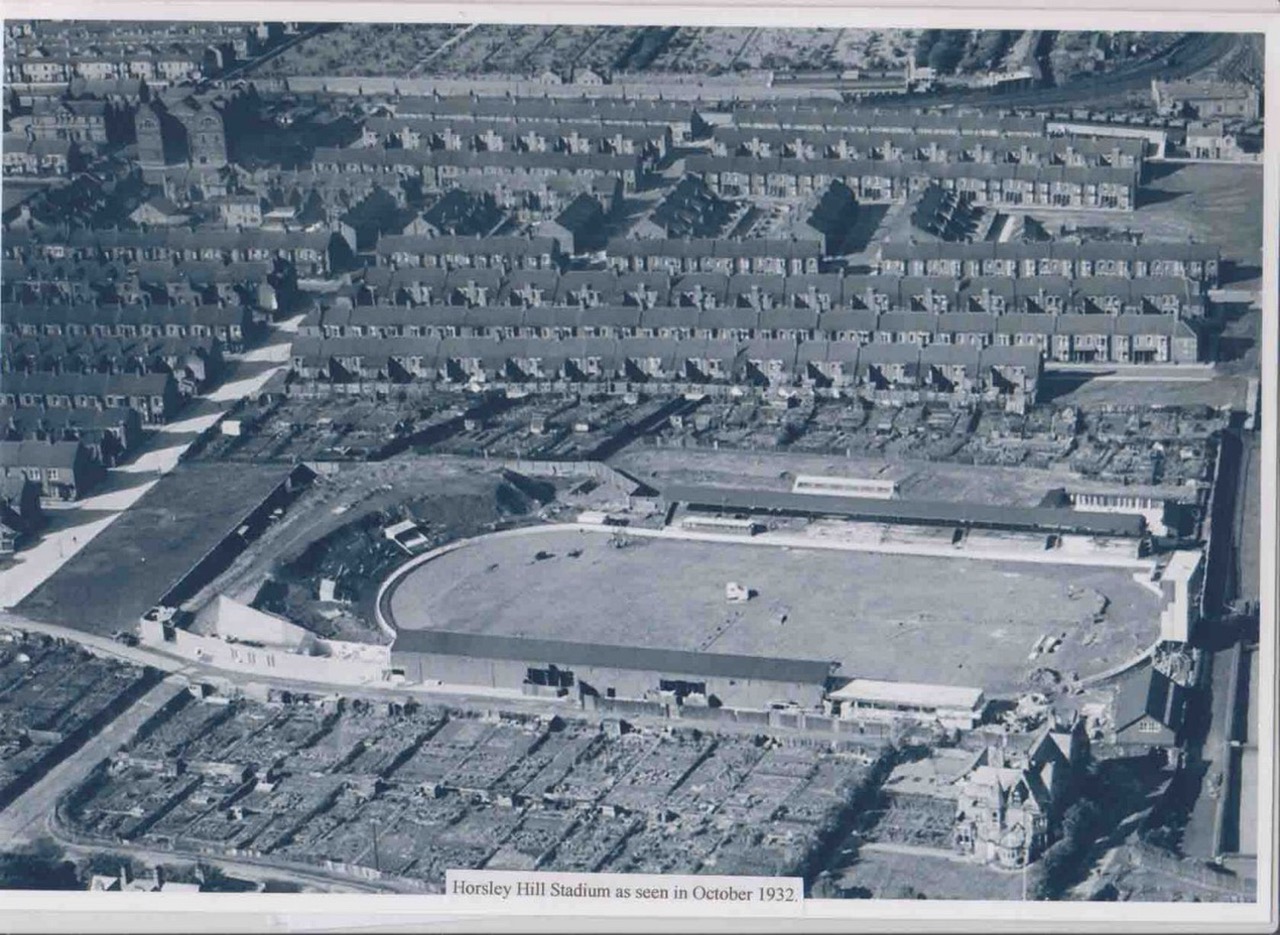
In July 1927, Peter moved to English Second Division side South Shields – or South Shields Adelaide Athletic to give them their full title, just a few miles east of Newcastle-upon-Tyne. Five months earlier, on Saturday, 19 February 1927 as Peter was watching the young John Thomson’s career kick off at Celtic Park, the record attendance of over 24,000 was set for the club’s home ground Horsley Hill for an FA Cup fifth-round tie against Swansea Town (later renamed City).
Swansea would progress to the quarter-final after a replay but it would be another Welsh team who would lift the trophy that season, Cardiff City becoming the only non-English side to date to win the FA Cup, thanks to a goal from former Motherwell striker Hugh Ferguson at Wembley against Arsenal at Wembley. In the fourth round, South Shields had beaten First Division outfit The Wednesday, who would go on to become English Champions in 1929 before changing their name to Sheffield Wednesday that summer.
South Shields had narrowly avoided relegation in 1926/27 but they would take the drop in Peter’s first season at the club, finishing bottom of a Division which included Manchester City, Leeds United and Chelsea. And FA Cup dreams were dashed by First Division Middlesbrough. This was the season that Dixie Dean created a scoring record which exists to this day, by scoring 60 League goals as Everton won the English title.
Peter and South Shields began the 1928/29 campaign in the Third Division (North), and they would finish mid-table, 10th in the 22-club Division, which was won by Bradford City. Again, their FA Cup hopes ended at the first hurdle, South Shields beaten 2-1 by Accrington Stanley, who finished eight places below them in the League table. In total, Peter would make 66 League appearance for the club before moving in the summer of 1929 to another team who had finished beneath them in that League campaign, Lancashire outfit Nelson FC.
Continued on the next page…