As a final word on South Shields, with falling gates and the threat of bankruptcy looming over it, the club would relocate to Redheugh Park in Gateshead at the end of the following season (1929/30) and adopt the name of their new hometown, thus becoming Gateshead AFC.
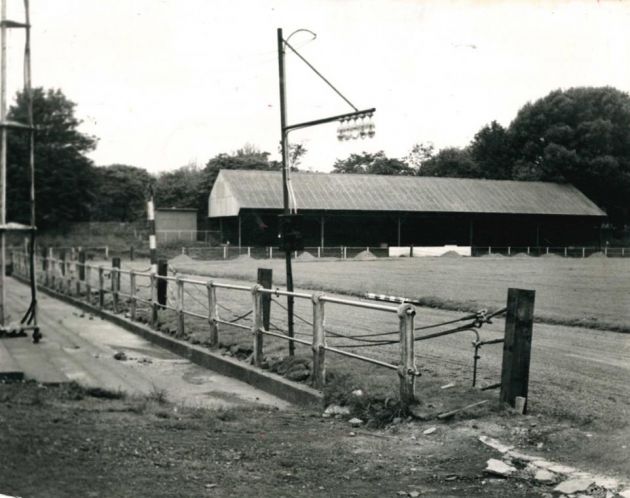
Nelson had finished 15th in the Third Division (North) in 1928/29 but had taken no part in the FA Cup, as their application was not submitted before the deadline! The record attendance for their Seedhill ground had also been set just a few months before Peter arrived at his new club, just under 15,000 for the visit of champions Bradford City on 27 April 1929. The Admirals are perhaps best known as the first English team to beat Real Madrid in Spain, which they did by 4-2 in the summer of 1923 ahead of their only season in the English Second Division.
Peter’s introduction to life at Nelson was unique, as he was one of four different goalkeepers to be used in the opening four matches of 1929/30, long-serving custodian Sam Warhurst, James Mangham and fellow new signing Lewis Botto being the others. It would be Peter who would prevail, with 38 appearances in total whilst the others combined managed just five. One of those 38 games was the home FA Cup tie with Crewe Alexandra, Nelson losing 3-0.
One of Peter’s new teammates would be familiar to him, inside-forward George McLaughlan, who had been part of the Clyde side which shocked Celtic in the final of the Glasgow Cup back in October 1925. In fact, George had signed for Celtic in April 1923, making a single League appearance against Partick Thistle at Parkhead on the opening day of September that year.
The following month he went on loan to Clydebank, where he would join up with another hopeful Celtic youngster learning his trade at Clydeholm Park, Jimmy McGrory. Both men would come back to bite the hand that fed them on Tuesday, 5 March 1924, outside-left McGrory on target and McLaughlan at inside-right as the Bankies won 2-1, a game which ensured that Jimmy would be back scoring for Celtic by the end of that season. As an aside, a third loan Celt featured for Clydebank in that victory, goalkeeper John Hughes.
Nelson secured 19th position in the 1929/30 Third Division (North) table, two places and five points clear of the requirement to seek re-election. But the following campaign, ironically Nelson’s Golden Jubilee year, they would finish bottom and fail in their attempts to be re-elected, losing out by a single vote after a recount to Chester (later renamed as Chester City).
Peter had shared the goalkeeping duties with Sam Warhurst that season, featuring in 16 League games and two FA Cup ties before being freed on 21 March 1931. In total, Peter played in 53 League games and three FA Cup ties for Nelson in his two seasons at Seedhill.
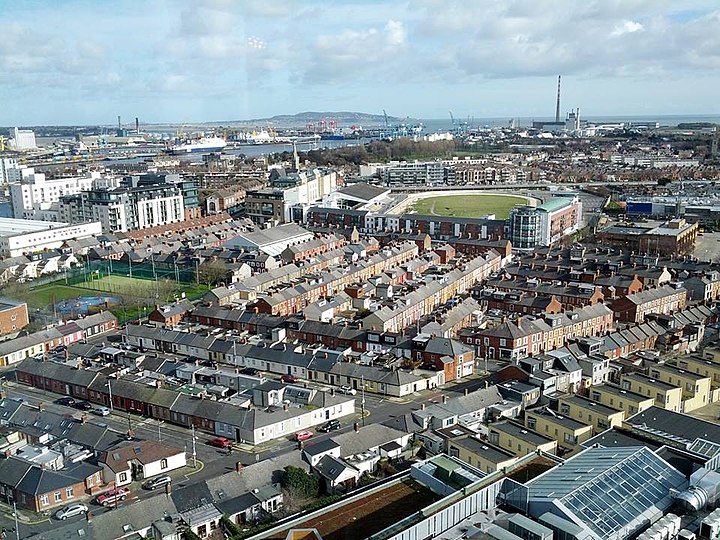
As Nelson lost their Football League status and returned to the Lancashire Combination, Peter headed to Ireland, signing for reigning champions Shelbourne on 26 June 1931. Peter’s former Celtic teammate Paddy Connolly had gone there on loan in November 1930, having become embroiled in a long-term contractual dispute at Parkhead.
He had scored six goals as Shels clinched their third Irish title in 1931 but he would be back in Scotland and out on loan again – this time to Morton – by November of that year. On 9 December 1931, six months into his stint in Dublin, Peter was appointed player-manager at Shelbourne Park. He would guide the club to sixth place in 1931/32 then to third spot the following season, behind champions Dundalk – a first-ever title for a non-Dublin club – and second-placed Shamrock Rovers.
Continued on the next page…