
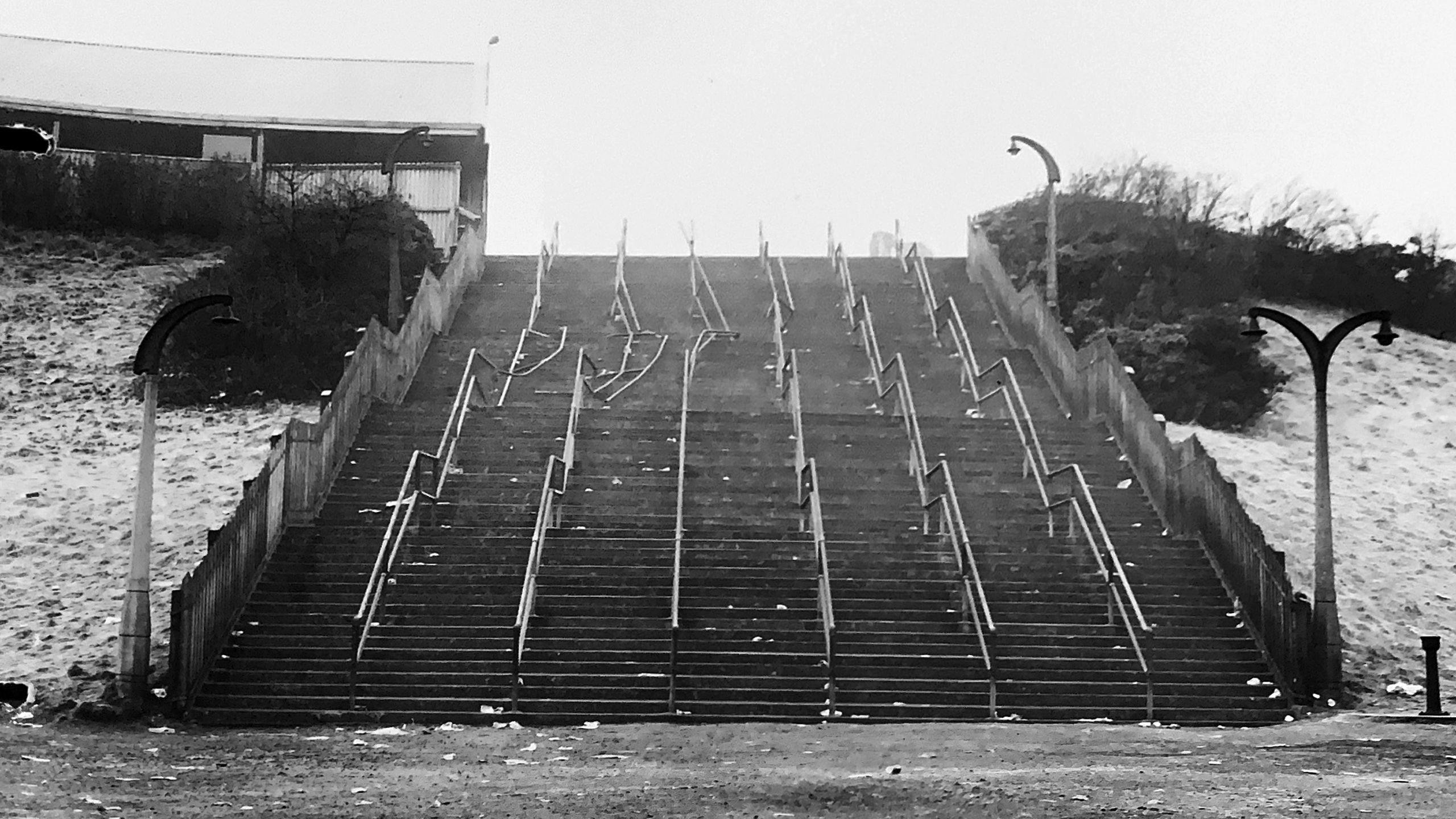
Naturally after such awful events, the government and authorities promised action to try and prevent such an event being repeated. An inquiry was held to examine how the tragedy occurred. It eventually concluded that a fan falling likely caused the crush, despite rumours that it been the result of supporters turning back when the equaliser was scored.
The calamity led to changes which affected Rangers and wider football. Eventually, Ibrox underwent a huge redevelopment which made the ground one of the first in Britain to be all-seated. In addition, new safety requirements were introduced that covered all football stadia across Britain, such as having proper first-aid and ambulance facilities.
There were also legal battles following the disaster. The victims’ families took Rangers to court as they blamed them for the events, especially given that two fans had died on the same staircase just a decade before.
Compensation was paid, and Sheriff Irvine Smith was scathing of the Rangers board, placing much of the blame at their feet. He suggested that they had failed to fix the dangers on the basis that “if the problem was ignored long enough it would eventually go away.” He even suggested that there were attempts “to deceive others that they were doing something, when in fact they were doing nothing.”
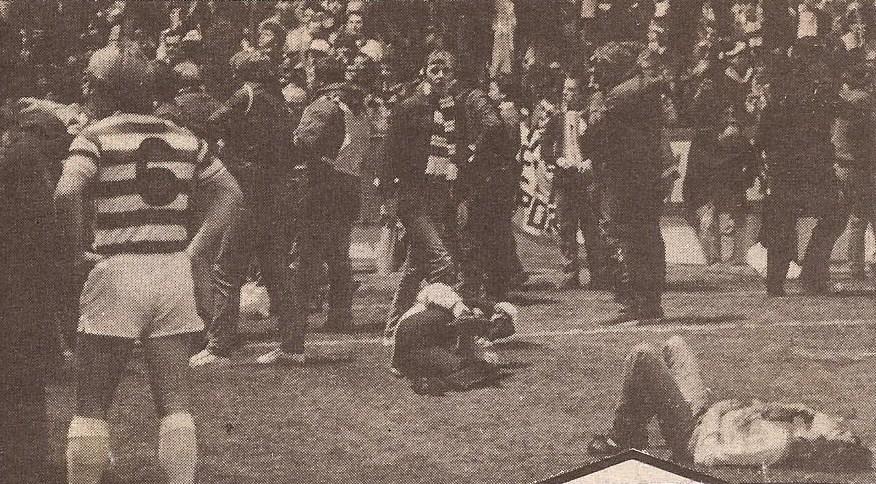
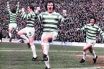
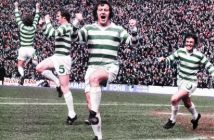
Nottingham Forest v Celtic, 23/11/1983. Photo The Celtic Wiki
As later events proved, it was only luck that Celtic fans did not suffer the same fate as befell the Ibrox supporters. The treatment of all football supporters in that era gave often little thought to their dignity. At various Celtic games over the years, stories exist of fans facing crushes and other problems, including during a 1983 UEFA Cup game at Nottingham Forest. Also, one Celtic fan lost his life in 1957 at Clyde’s Shawfield ground when a wall collapsed.
One of the more squalid aspects of the rivalry between Celtic and Rangers is the unthinking hatred that can come from this. At times, some Celtic fans have disgraced themselves by mocking the tragic 1971 events. And many Rangers supporters do likewise with their attacks on Jock Stein, a man who put colours aside to help the injured and dead on that awful day.
The ability of the clubs to set aside rivalry when tragedy occurs has been shown in different ways. In 2001 – on the 30th anniversary of the disaster – Rangers unveiled a John Greig statue as a memorial to those that lost their lives. Celtic representatives attended this, including legendary captain Billy McNeill. Since then, numerous minute’s silences and other tributes have been held too.
It is perhaps best to conclude by turning to the words of Celtic’s ‘Big Man’ on this issue. Stein himself once saying: “This terrible tragedy must help to curb the bigotry and bitterness of Old Firm matches. When human life is at stake this kind of hatred seems sordid and little.”
Matthew Marr
Hail Hail History – follow on X.
To find out the full story of Celtic’s first League title, you can buy Matthew Marr’s debut book, ‘The Bould Bhoys! Glory to their name’. It’s available now from Celtic Star Books.
Follow Matthew on Twitter @hailhailhistory



55years on and all both sets of supporters are worried about is the result of a game between two poor teams.
R I P.
Hail Hail.