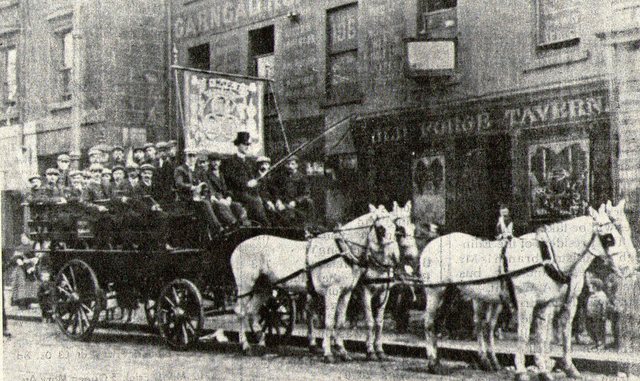
Famously, the early Celtic supporters’ clubs were known as ‘brake clubs’, named after the horse-and-carriage transport that was used to transport fans to game. Although these clubs were popular with many, they also had a negative reputation due to various issues, and this brought them into conflict with the club.
There are multiple examples to be found of brake clubs being involved in violent incidents, whether they started this trouble or were simply defending themselves from attacks by other groups. Other people claimed about the songs, alcoholism and general rowdiness associated with brake clubs. Newspapers often ran stories about members of these organisations ending up in court.
As a result of this, many Celtic officials wished to disassociate themselves from these fans. In particular, legendary manager Willie Maley was scathing of them. In the early-1920s, he opined that: “The war fever is dying out of men’s blood. I feel sure that by next season we shall be rid of the brake club hooligan, against whom all sporting men’s hands should be turned.”
He went further, describing those fans as being “The greatest blot that has ever soiled Scottish football.”
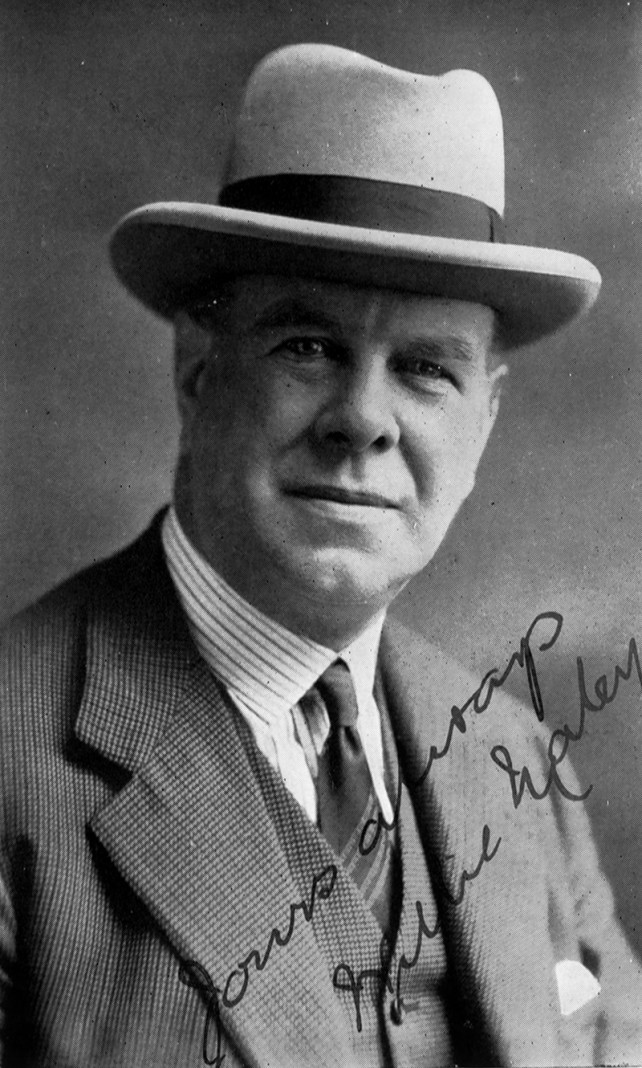
Willie Maley, Celtic manager
Strong language from the club’s longest serving manager, showing his strength of feeling on the issue. Of course, it is worth noting that there were likely a great many issues on which Celtic’s manager and the club’s fans disagreed, given his known support for the monarchy, for instance.
Maley was an imposing figure, and this was shown in how he dealt directly with fan abuse. On one occasion, a Celtic fan screamed threats at a referee. In response, the Celtic manager challenged the supporter to a fight, which thankfully did not actually happen!