10. Match Fixing – we are on dodgy ground here, and nothing can ever be proved. Was there a “Trojan Horse” inside Celtic Park? There were certainly rumours, and one would have to be very naïve to say that it could never happen, but there is a distinct lack of evidence. Goalkeeper Dick Beattie was indeed convicted of this crime, but that was years later when he was playing in England and there was never any evidence to connect him with this sort of thing at Celtic. He did have a dreadful game in the 1957 Scottish Cup semi-final replay against Kilmarnock and was badly at fault for the second goal in the 1956 Scottish Cup final against Hearts – very uncomfortable watching on You Tube! – and it may be that some newspaper reports of those games are trying to say something, but no, the balance of opinion must be that this was not a factor. It certainly was not a factor for the whole 20 years!
11. The media? Once again, this may have been a factor, but cannot really be said to have been a major reason for Celtic’s lack of success in the black 20 years from 1945 to 1965. There is little point in denying that the BBC TV (Peter Thomson (“Blue Peter”) in particular) and the Scottish Daily Express, for example, in the early 1960s were pro-Rangers. But on the other hand, Celtic were so big in terms of support and circulation figures,that it would not make sense to ignore them.
And there were times when The Glasgow Herald in particular showed a distinctly pro-Celtic inclination, not least in the dispute about whether the Irish flag should be allowed to fly at Celtic Park. Similarly, the 7-1 victory was universally praised to high heaven by every section of the Scottish media. The truth was, and always has been, that success on the field will be reflected by praise in the Press. There was little coming out of Celtic Park to enthuse anyone. It may be, however, that the all-pervasive lauding of Rangers may have had an effect of the impressionable young Celts of the early 1960s, and have contributed to the feeling that Rangers were somehow pre-destined to triumph.
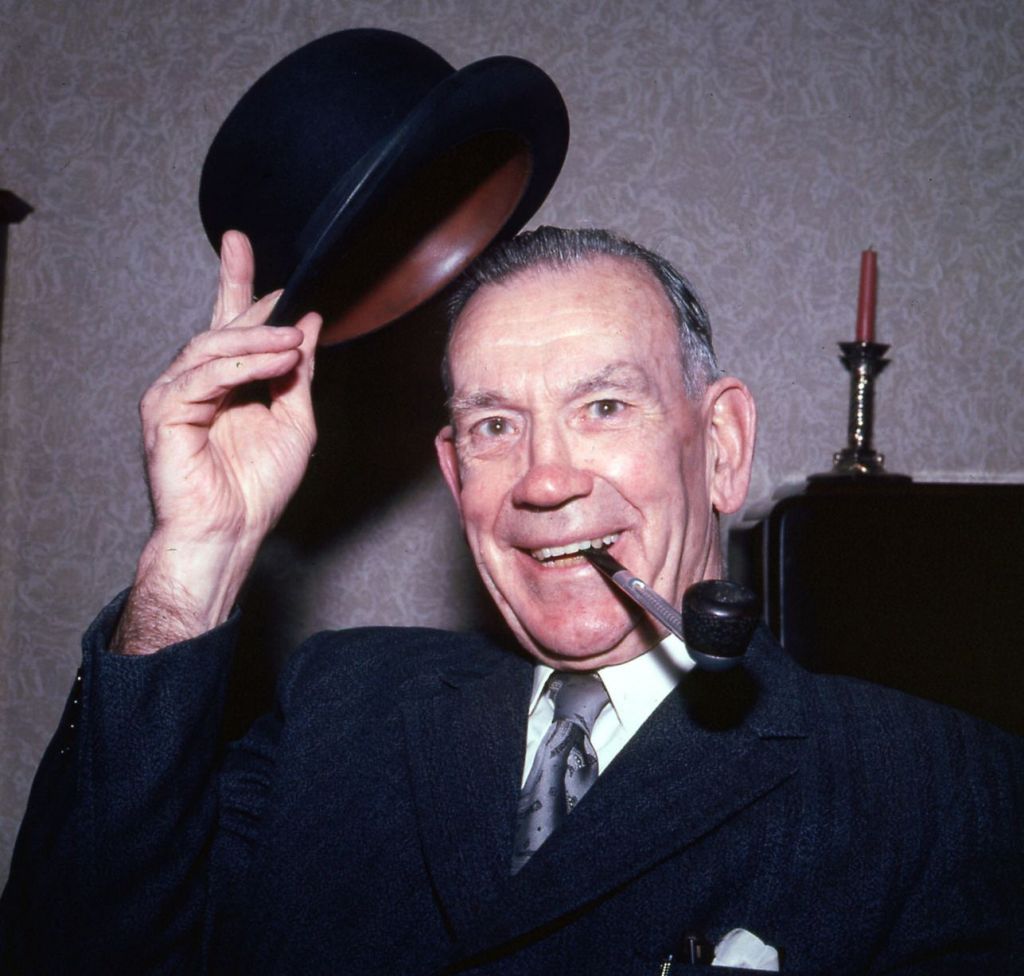
To sum up, it all comes down to the simple fact that Celtic were baldy led and badly organised. Mr Kelly eventually admitted he was wrong and brought back Jock Stein to lead the club. Jimmy McGrory remained much loved and admired by everyone. He was a great player – probably a candidate for the centre forward spot in an all-time World XI – and he was gentle, modest, friendly and lovable. After 1965 he became the Public Relations Officer, a job for which he was ideally suited. Jock Stein still called him “Boss” and told his players to do likewise.
But Jimmy McGrory was no Manager.
David Potter

SALE NOW ON! 50% OFF INVINCIBLE & ICICLE while stocks last! Walfrid & The Bould Bhoys has sold out. Harry Hood – Twice as Good is published end October, pre-order now!