

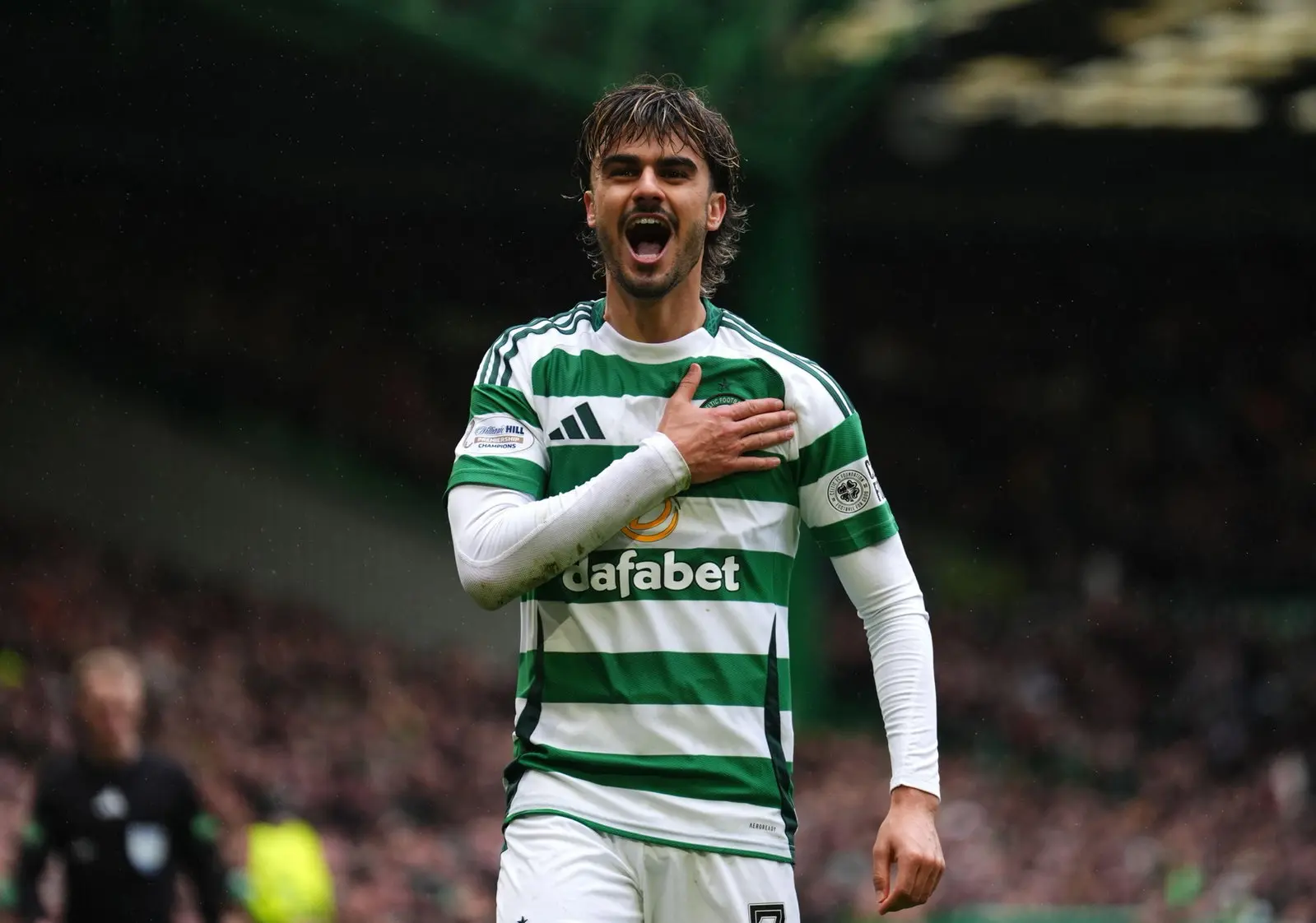
Jota has suffered yet another setback in his recovery from a serious knee injury – and with a new return timeline now pointing toward Halloween at the earliest, it’s a painful update for a player and a fanbase that have both waited long enough.
Speaking after Saturday’s Scottish Cup final triumph over Dunfermline Athletic, as reported by The National, interim manager Martin O’Neill confirmed that Jota has hit another bump in the road and is unlikely to be available for the start of the new season. It’s not the news any of us wanted to hear – but at this stage, it’s sadly not a surprise either.
O’Neill was frank about where things stand: “I can’t see it. He’s had a couple of setbacks. He’s now in Portugal doing some rehab. He’s had one of those little blood injections to try and get the thing up and running. With the best will in the world, I wouldn’t see him starting. I’d be hoping that maybe by Halloween, maybe earlier, he would. But I wouldn’t be thinking about him for the start of this season. That’s a tough one for him, a real tough one. He’s been out for nearly 14 months.”
Jota, 27, suffered an ACL injury at Tannadice against Dundee United back in April 2025 – a horrible moment that cut short a season in which he’d been looking sharp after rejoining from Rennes for around €10m the previous summer. Early timelines suggested a nine-month recovery, with hopes of a return around January 2026, but a secondary meniscus issue requiring a keyhole procedure pushed that back further. Now, with blood injection treatment ongoing in Portugal and O’Neill referencing multiple setbacks, it’s clear the road back has been anything but straightforward.
The Bigger Picture
Here’s the thing – Celtic simply cannot factor Jota into their pre-season plans, and whoever comes in as permanent manager this summer needs to plan accordingly. Squad fitness and depth planning has been a recurring theme this season, and Jota’s absence is arguably the most significant variable heading into 2026/27. Any contribution before late October or November has to be treated as a bonus, nothing more.
The one reassurance worth holding onto is that O’Neill and the specialists involved – including consultations in London – are clear this is not a career-threatening injury. Modern ACL outcomes are vastly better than they were even a decade ago, and when Jota does come back, there’s every reason to believe he can return to the level that made us so excited when he first came to Celtic Park.
For now, the club will need to look at the market and ensure the wide areas are covered – this is not a situation where hope alone fills a squad. It’s also worth keeping an eye on other injury situations within the squad as the summer rebuild takes shape.

Get yourself right, Jota. Take every day as it comes, trust the process, and we’ll be here when you’re ready. Mon The Hoops.