
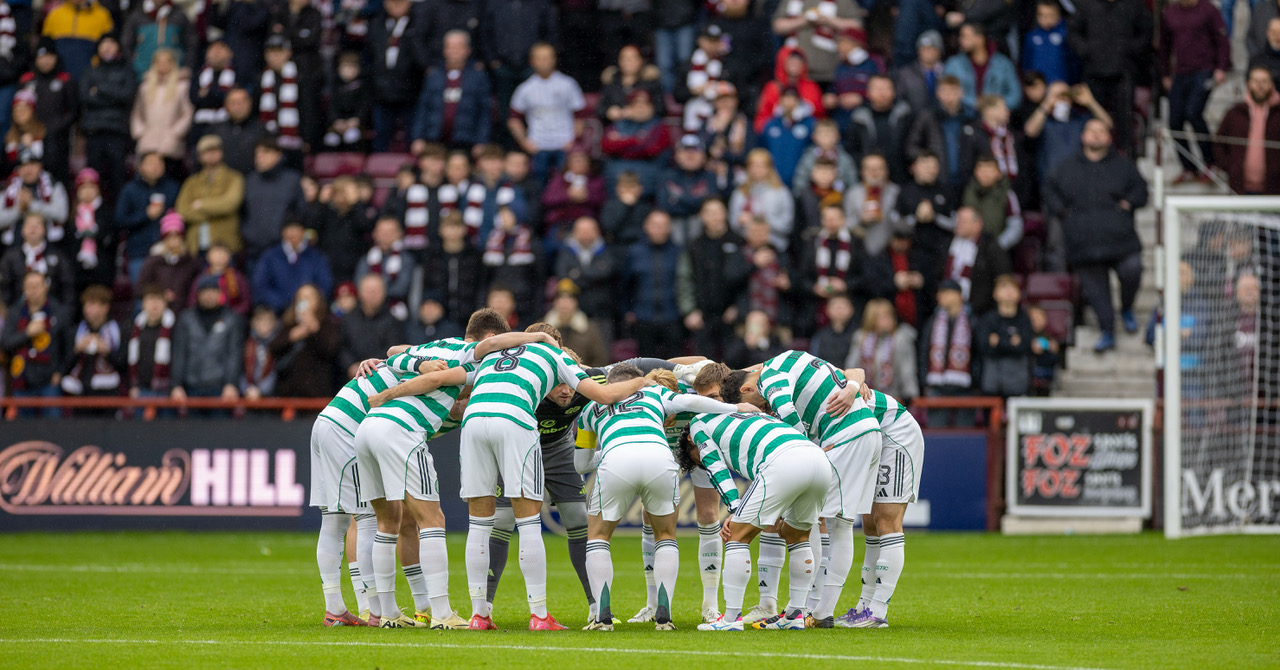
The future will be shaped not by whether Celtic changes, but by who leads the change, and what they believe Celtic is for.
Because Celtic is not simply a brand, an asset, or a platform, it is a lived community. It is history and identity intertwined, it is a club whose meaning has always been larger than the shareholdings through which it is technically owned.
And so, we return to the line that has echoed through every era of the club’s story.
Celtic does not merely belong to those who hold the shares. It belongs to those who sustain it. If change is coming, and it may well be, the task now is to ensure that the next era honours that truth, rather than forgets it.
Celtic may now be entering one of those phases. There is a growing sense, across the fanbase and even among external observers, that Celtic as an institution is shifting. The rise of supporter collectives, increasing dissatisfaction with strategic direction, new interest from potential investors, and speculation around figures such as Willie Haughey all point to a club caught between eras.
None of these things alone signals change. But together they suggest that the model of governance and stewardship that has defined Celtic for the past two decades may no longer feel as secure or inevitable as it once did.
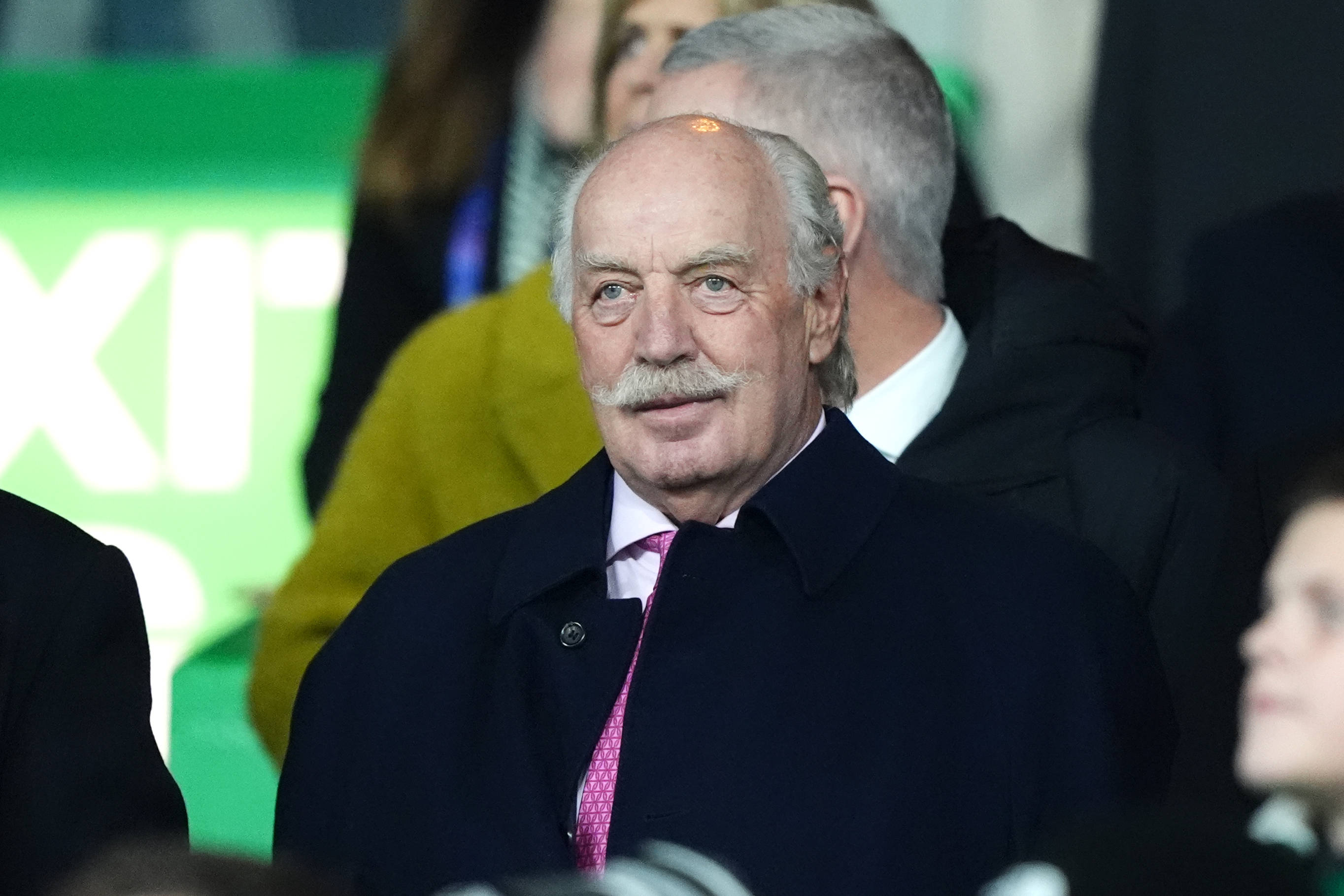
Celtic v RB Leipzig – UEFA Champions League – League Stage – Celtic Park Dermot Desmond in the stands ahead of the UEFA Champions League, league stage match at Celtic Park, on Tuesday November 5, 2024. Photo Andrew Milligan
At the centre of this moment stands Dermot Desmond. His role is not that of a majority owner, but he is the single most influential shareholder. His presence has shaped Celtic’s corporate and strategic identity for over twenty years. When he stated, unequivocally, that his shares were not for sale at any price, and that he intends to pass them on to his family rather than relinquish control, it clarified his position. But it also raised questions about what that means for Celtic’s future.
The language he used spoke not of investment, but of inheritance.
It suggested a view of ownership rooted in permanence, even familial succession. To some supporters, that may feel reassuring. In a football landscape awash with unpredictable owners, leveraged debt, speculative investors and nation-state soft-power projects, Celtic have been steady. Desmond has not bought into the club to flip it, strip it or use it to pursue other geopolitical interests. Continuity like that can feel like safety.
But to others, his comments on succession evoke something Celtic supporters believed they had left behind. The memory of the old Kelly-White regime, the period before Celts for Change forced structural reform in the 1990s. That was an era defined by entitlement and a belief that the running of the club was the natural right of those few families who had always done so.
Supporters were expected to attend, pay, and remain grateful.
When people ask if we have come full circle, it is not nostalgia they are pointing to, it is the fear of a club returning to a mindset in which the board knows best, and supporters should stay in their place.
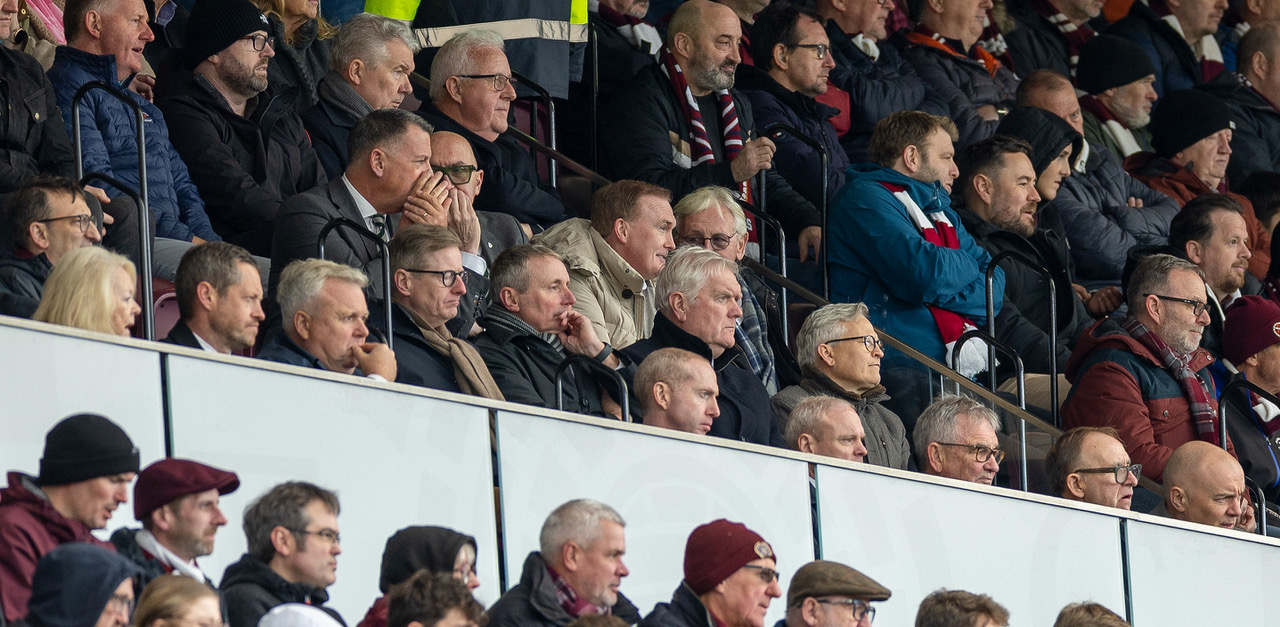
The Celtic Board at Tynecastle.. Hearts v Celtic, 26 October 2025. Photo Vagelis Georgariou (The Celtic Star)
There is no financial crisis at Celtic. That is important to say. The club is profitable, stable, and consistently successful domestically, for now. The complaint, rather, is that Celtic are coasting. The recruitment strategy feels risk-averse. The European performances feel timid. The communication from the board feels distant, managerial, even patronising at times. It is not failure that supporters sense, but underachievement. The club does not seem to be operating at the level of its own potential.
And where supporters see potential unfulfilled, outside investors may see opportunity.
Celtic is a club with global reach, a recognisable brand, and cultural identity. It is a sporting institution capable of regular Champions League access, in a league that could become far more commercially significant in the years ahead. It is, to put it plainly, underdeveloped. That is precisely the type of organisation that attracts capital, not failing clubs but sleeping giants.

I wouldn’t believe anything written in that hun rag. Never in all the time I’ve looked at Celtic news items, blogs etc have i seen them with a positive story about us.
Well, 1st time for everything i suppose. I stand corrected. The hun rag was right. I’m flabbergasted