Despite the match being finished, that wasn’t the end of the story. In those days, protests against results were common. This tended to be for different issues, including complaints linked to bad weather, limited light, refereeing decisions and other issues too. Now Celtic had a grievance about Hibs. The Glasgow men said two Hibs players had played games for other teams and so should have been ineligible.
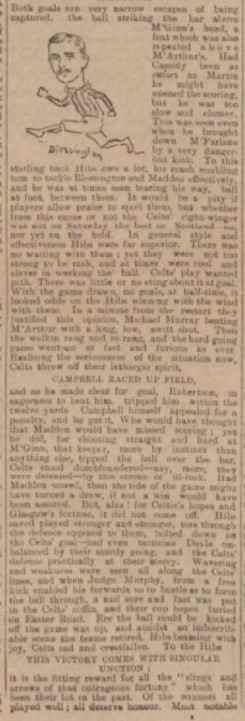
A hearing was held by the Scottish FA, to consider this and other protests concerning other games. In another example of differences between the 1890s and modern day, this meeting took place on Christmas Day 1894. Celtic identified issues related two Hibs men; Michael Murray, the scorer of the first goal, and also Robert Neil, considered by many to be man of the match.
Eventually, the protest about Murray was withdrawn. However, Celtic produced evidence that after signing for Hibs, Neil had gone on to play for Airdrie, without being given SFA permission to do so. This meant that he was ineligible for the Celtic game. After much discussions, the SFA voted 12-3 in favour of replaying the Hibs versus Celtic game.
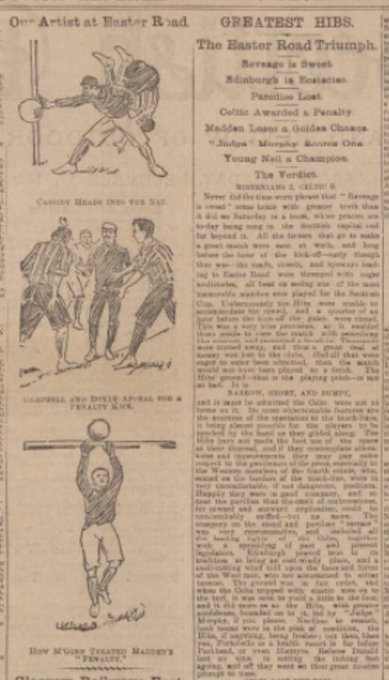
Celtic had been given the Christmas gift of a Scottish Cup reprieve, and would have another chance to march on through the rounds. This meant a second trip to Edinburgh, two weeks after the last one. The Bhoys would have been in Scotland’s capital city either way that day; the Scottish Cup replay meant postponing a Celtic visit to Tynecastle.
In advance of the game, newspapers were very critical of Celtic’s decision to protest, and suggested they should no longer be in the competition. One Edinburgh-based reporter even said that the Bhoys had a smaller group of supporters in the replayed game because people in the east and west of Scotland were angry at the club.
Hibs also provoked some complaints with one of their decisions. The home team decided to significantly raise prices for the replayed game, partly to reduce the numbers but also seeing a chance to make extra money. Usually the prices were 6d (pence) for entry, and free for women, and then extra to sit down. However, for the second game, the only advertised price was one shilling.
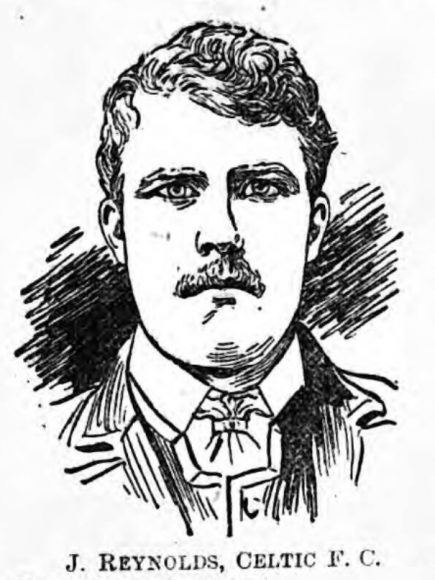
Jerry Reynolds, Celtic FC. Image via The Celtic Wiki
Celtic had one change to their team from the first game: Jerry Reynolds replaced Tom Dunbar in defence. Bizarrely, Hibs were allowed to play Robert Neil, who had caused the replay! This was due to the fact that the Scottish FA could give permission, but it had not been sought before the first game.
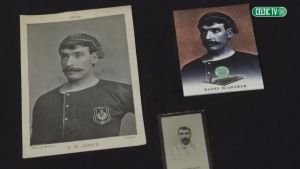
Dan McArthur, Celtic FC
It was a typical winter day, full of snow and wind, which also had the impact of further reducing the number of spectators. Again, Hibs started best but without any breakthrough. Celtic’s ‘keeper Dan McArthur had an amazing game; one report claimed he must have made a deal with the Devil in exchange for his performance.
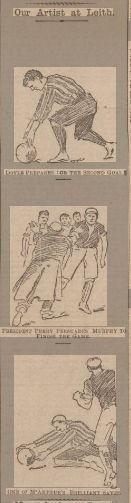
Once more, it was 0-0 at the interval. And in another repeat, the deadlock was again broken early in the second half. However, this time it was Celtic that cheered. A Hibs attack was broken up by defender Dan Doyle, and the Celt knocked forward the ball, which found its way to John Divers. He struck to give his team the lead.
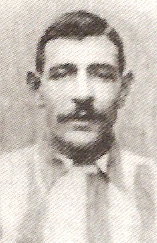
John Divers scored. Photo The Celtic Wiki
Now Celtic chased a decisive second goal. At one point, Johnny Campbell thought he had achieved this, but it was ruled out for offside, much to the fury of the Glasgow team. But when Celtic did finally get another, it was Hibs’ turn to vociferously protest.
The Celts were awarded a free-kick, which was to be taken by Dan Doyle. In those days, you could not score directly from a free kick. Doyle struck the ball which ended up in the net, and the goal was awarded. Hibs said it had not been touched by anyone else, however the Celts claimed that Campbell had managed to get a slight connection on the ball.
At this point, the game came close to ending. Hibs players walked off the park and refused to play. This only ended when the Hibs’ club president came onto the park to stop this. He was joined by some fans and for a period, it seemed that violence was an option. Eventually, the game was able to restart.
By the time the 90 minutes were reached, no further goals had been added. The Celts had reversed the first game and won 2-0, although they were still not safely through. At first, they needed a police presence to protect them as they made their way back to the changing rooms.
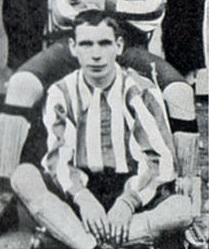
Charles McEleny, Celtic FC. Image via The Celtic Wiki
Furthermore, Hibs had a protest of their own. They claimed that Celtic’s Charles McEleny was also ineligible, meaning the game should again be replayed, or even awarded to them. However, this time the complaint was rejected. Celtic were through to the next round of the Scottish Cup.
This wasn’t an entirely popular outcome. Celtic were repeatedly accused of poor sportsmanship for their initial protest. It was also suggested that they had played so poorly in the first game that they would lose in the next round anyway. This proved to be an accurate prediction.
In the third round, the Bhoys went to Dens Park. Hibs may have cheered on the Tayside men as Celtic lost 1-0 to Dundee and exited the competition. That season, an Edinburgh team won the Scottish Cup: St Bernard’s, who beat Renton in the final.
The maiden competitive match between Hibs and Celtic definitely took place in December 1894. However, the specific game you think counts as being first may depend on which of the sides you support. Hopefully tomorrow’s match sees the Glasgow green-and-whites once again claim the ultimate victory.
Matthew Marr
Follow Matthew on X @hailhailhistory
The Bould Bhoys – Glory To Their Name by Matthew Marr
Read more about Celtic’s early history in Matthew Marr’s debut Celtic book, The Bould Bhoys, ‘Glory To Their Name’ – the fascinating story of Celtic’s first ever league title triumph…
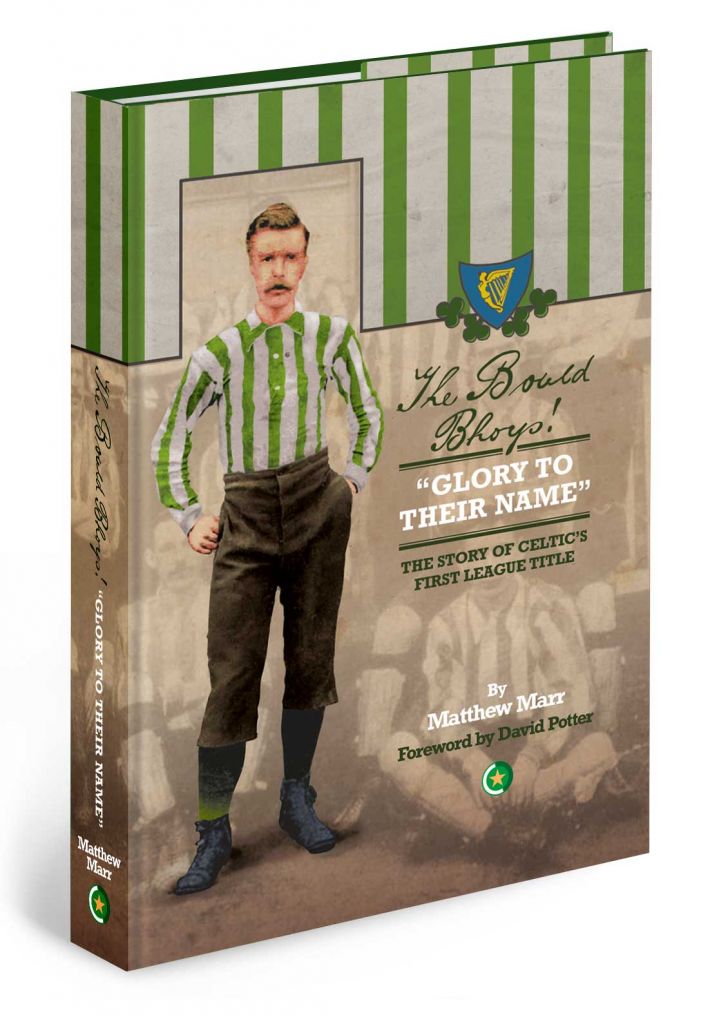
Click on cover to order hardback copy for only £10 plus postage.
Matthew’s debut Celtic book, titled ‘The Bould Bhoys – Glory to their name’, is out now on Celtic Star Books and is available to order HERE. This brilliant book is also available on Amazon Kindle for just £3.49 and includes all photo sections that appear in the hardback edition. HH.