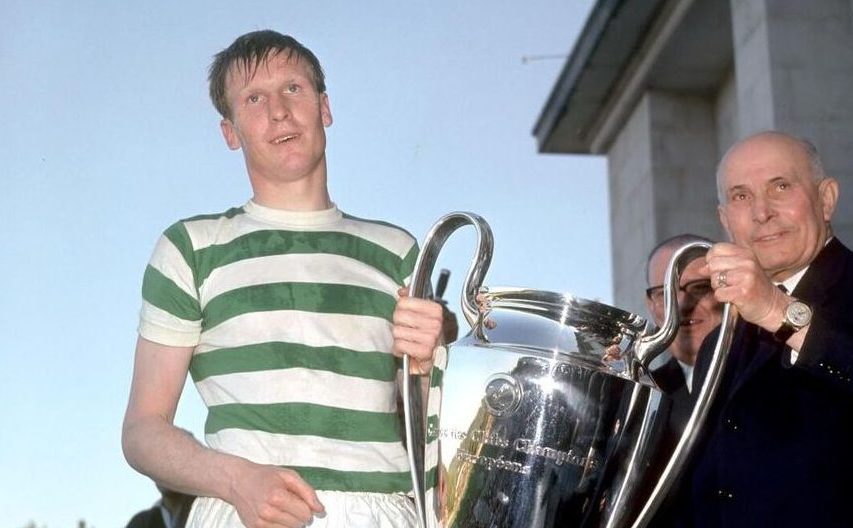
Billy McNeill in English football
By the summer of 1983, McNeill’s time with Celtic again ended. But like before, it would not be a final farewell. This time, he went south and in June 1983 was appointed as Manchester City manager.
The first Man City boss to win a major trophy was another former Celt, Tom Maley in 1904. The Manchester team hoped McNeill would also be successful, and he certainly was. He led the Citizens back into England’s top league, winning promotion in 1985, and then kept them in the First Division.
In 1986, he was again on the move. In September, he quit Maine Road to move to Aston Villa. This proved to be a poor decision. His Villa side finished bottom and were relegated, although so were Manchester City too, so perhaps it would not have mattered either way. This ended his time in English football.
Back to Celtic for the Centenary Season and more glory
By the summer of 1987, Celtic were facing a major challenge. Rangers had appointed Graeme Souness as boss and were spending big sums to secure top spot in Scotland. This season marked Celtic’s centenary and so Cesar returned to Celtic Park to try and stop this financial juggernaut.
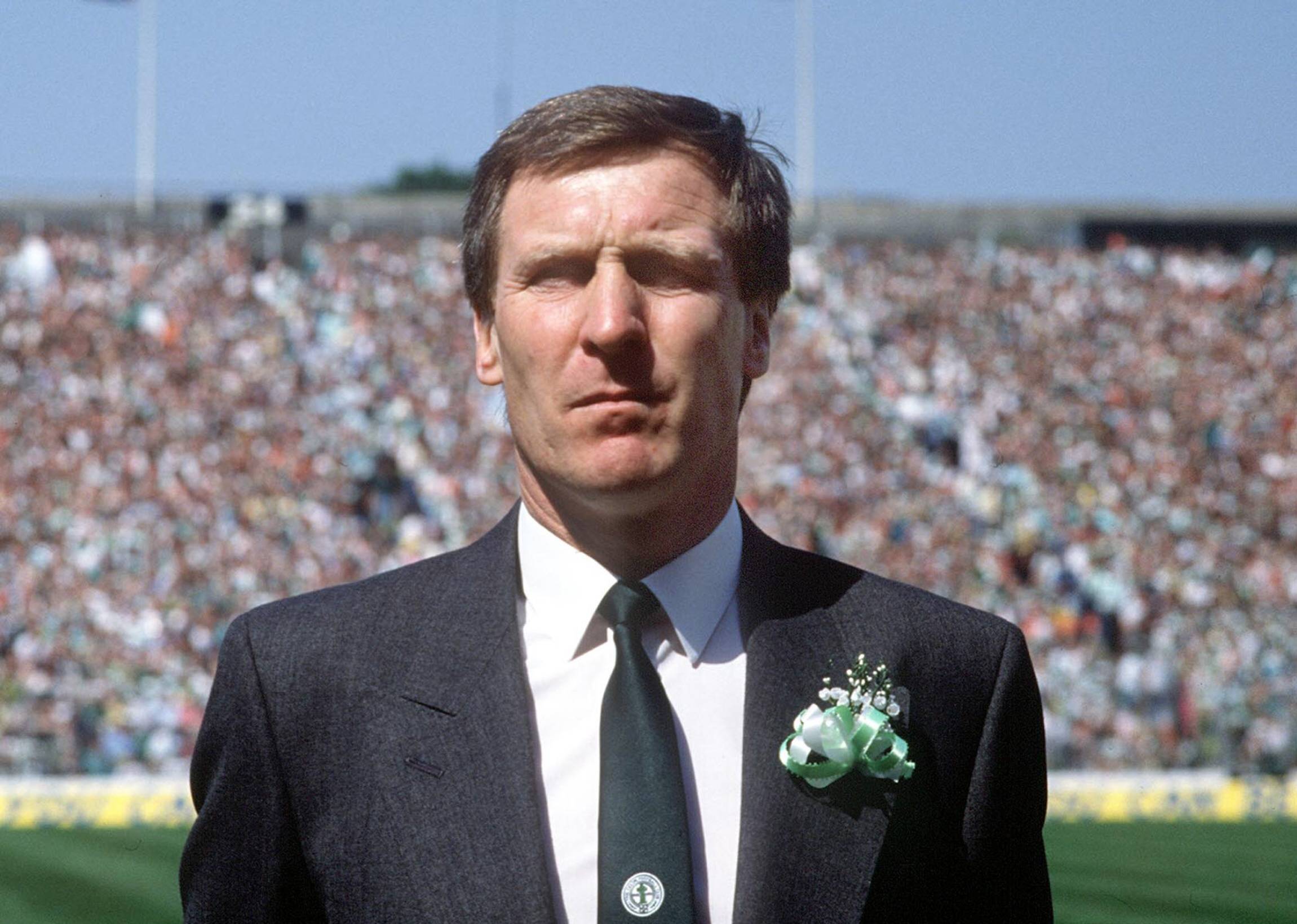
Celtic manager Billy McNeill at the Scottish Cup Fibal- Image Imago
What happened next is another famous chapter in the Celts’ history. Under McNeill’s leadership, the Bhoys put on amazing performance to claim not just the League but also a Scottish Cup double, doing so 100 years after a Celtic side had first ran onto the pitch.
The following year, the Bhoys followed this up with another Scottish Cup win, thanks to a Joe Miller goal that gave them victory over Rangers. But despite all of this, it was clear that Celtic were a side in decline. The club could not compete with Ibrox riches, and soon began to struggle.
In 1991, amidst great acrimony, Billy McNeill left Celtic. Fan opinion was divided, with some believing that his managerial style no longer suited the modern game. However, he did have one more footballing job, working for Hibs for a season in the late-1990s.