
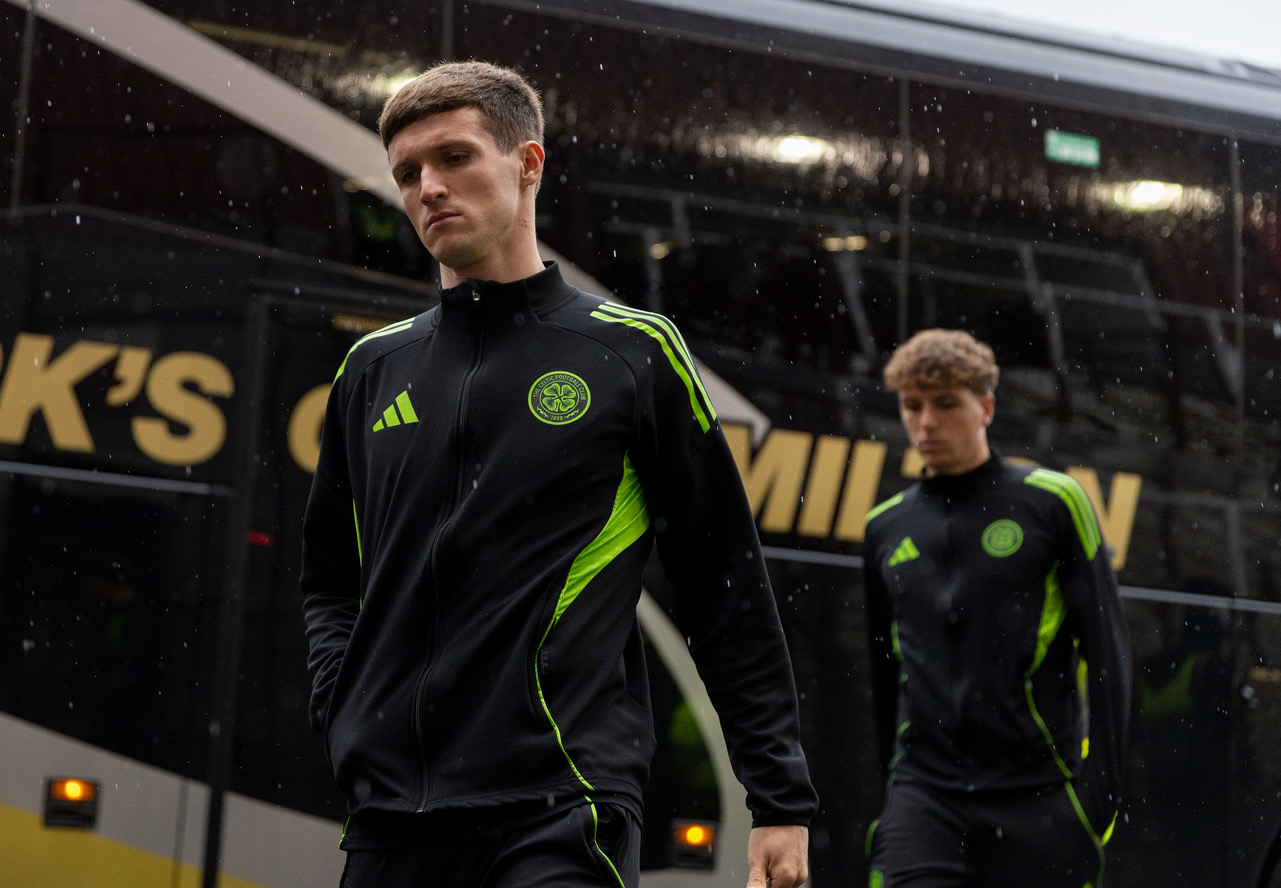
Johnny Kenny arrives at Tynecaslte. Hearts v Celtic, 26 October 2025. Photo Vagelis Georgariou (The Celtic Star)
Finally, Postecoglou invested in six projects and developmental players — Johnny Kenny (£0.125m), Yosuke Ideguchi (£0.85m), Bosun Lawal (£0.12m), Osaze Urhoghide (£0.2m), Liam Shaw (£0.3m), and Joey Dawson (Free) — for a total of £1.595 million. Low-cost, low-risk signings that could, in theory at least, integrate gradually or be sold on, depending on progression.
In total, Postecoglou’s recruitment cost approximately £48.9 million, slightly more than Rodgers’ £46.1 million, but the value returned in first-team-ready talent, squad depth, and system cohesion was perhaps far higher and you have to factor in that roughly half of the Rogders era spend has under Mark Lawwell’s control and had nothing at all to do with Rodgers, who simply agreed to work with the incoming signings in late June 2023.
Postecoglou’s replacements for outgoing players were timely in the first two transfer windows, creating a squad that was cohesive, cost-effective, and resilient.
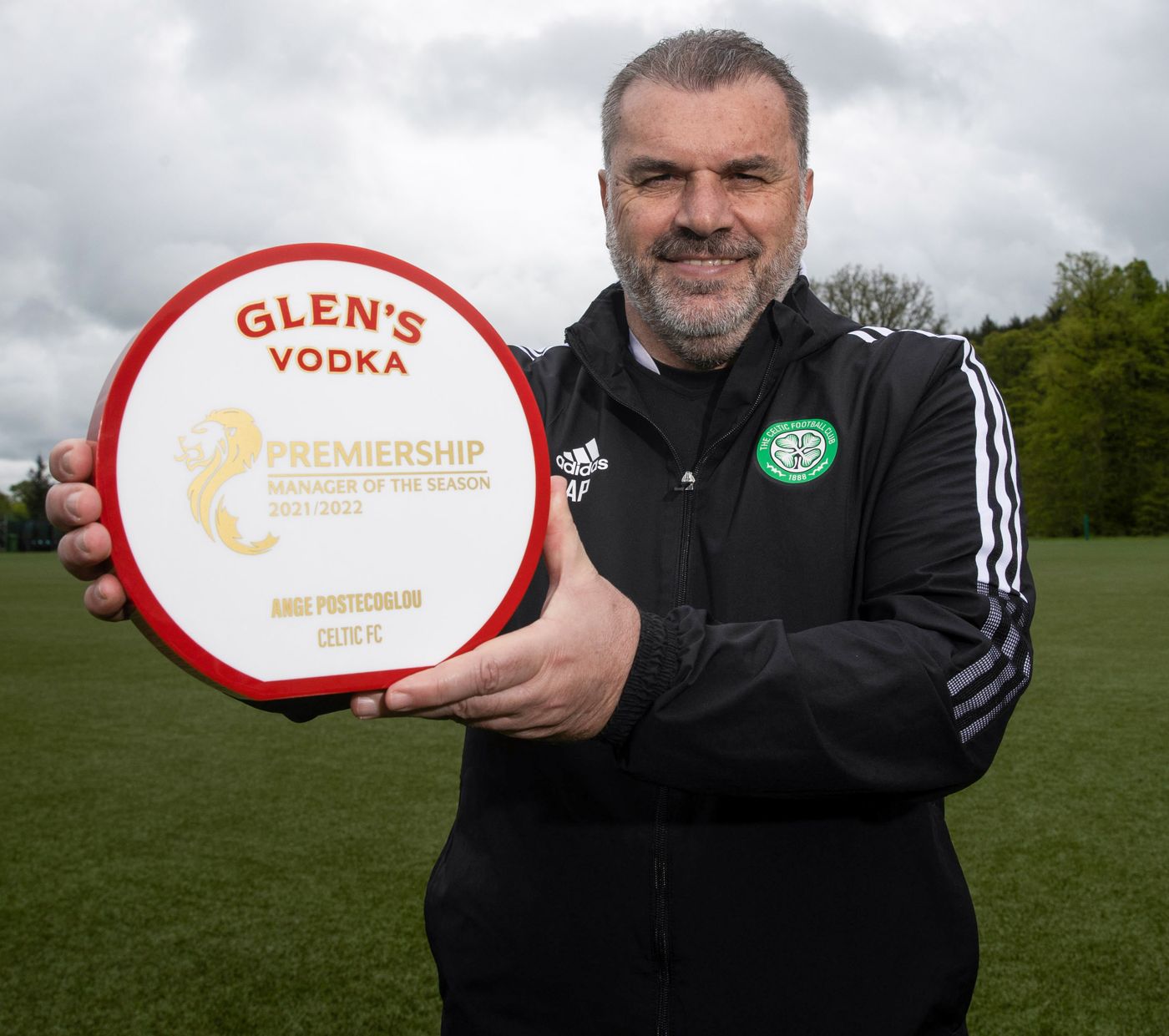
Ange Postecoglou with the Glen’s manager of the season award at Lennoxtown, on May 06, 2022, in Glasgow, Scotland. (Photo by Craig Williamson / SNS Group)
The difference is not luck. It is structural. Postecoglou relied on a network-driven approach, with deep knowledge of Japanese and wider Asian markets and the influence of Frank Trimboli and the CAA Base agency. Signings were targeted, market-aware, and system-aligned.
Rodgers, by contrast, hasn’t been so lucky. He has leaned on the English and Premier League-adjacent market, for Schmeichel and Iheanacho. And we had an old bhoy returning in Jota.
While Ange was well backed in his first window and very much involved, Rodgers’ initial transfer window relied on Mark Lawwell-era signings that largely failed to integrate long-term. Meanwhile Rodgers’ reliance on Rolodex signings — Schmeichel and Iheanacho — who are both first team players, highlights the limits of Celtic’s standard scouting and recruitment when unmediated by overseeing tactical insight.
The contrast is pretty clear and worrying too. Postecoglou’s era, initially at least, produced a first team that was ready, cohesive, and durable, while Rodgers era has delivered more churn, less integration, and dependency on a small core.
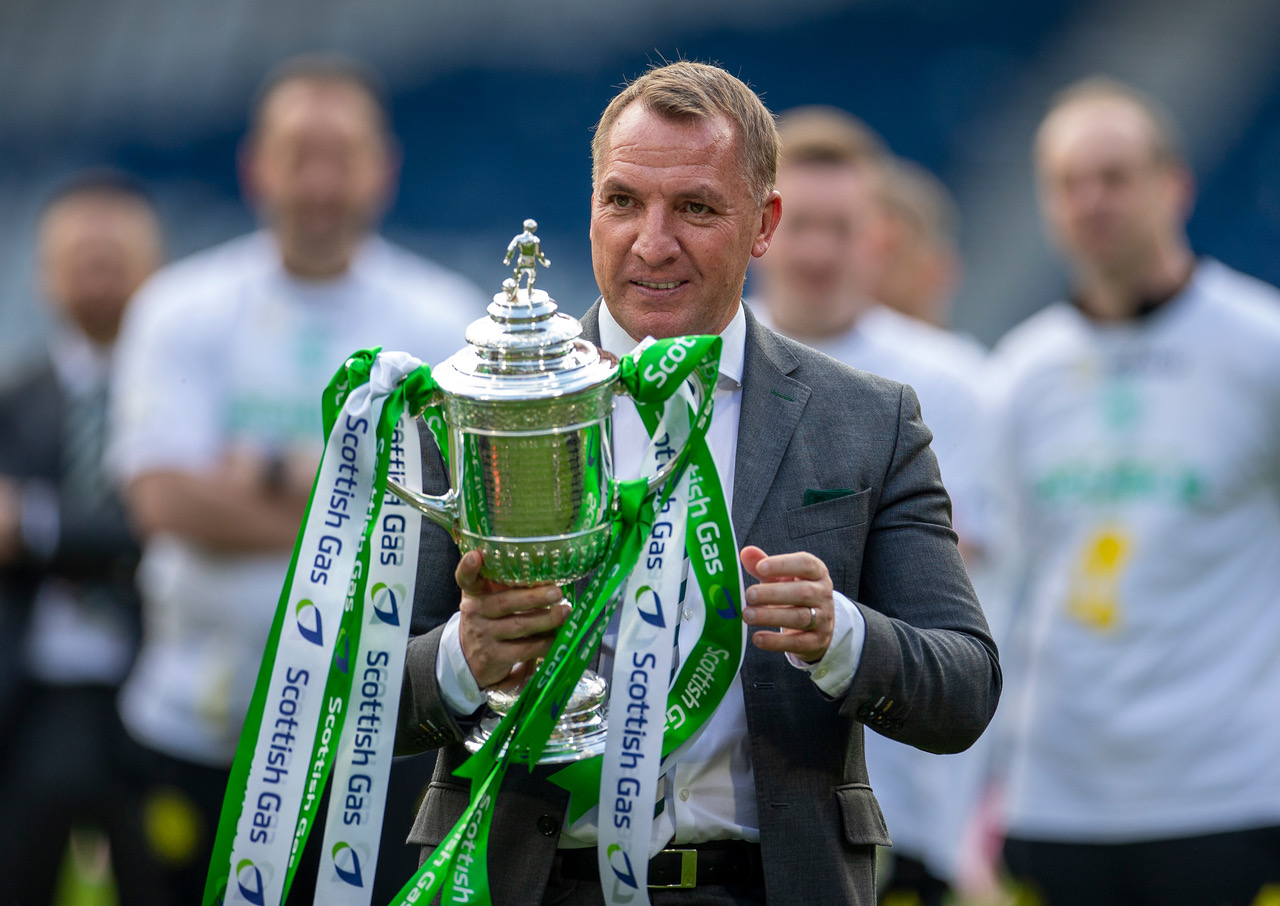
Brendan Rodgers with the Scottish Cup on 25 May 2024, after Celtic’s 1-0 win over theRangers in the final at Hampden Park. Photo Vagelis Georgariou
When injuries hit — as they have for Jota, Cameron Carter-Vickers, Alistair Johnston, and Daizen Maeda lately — Celtic’s squad depth under Rodgers is tested in ways Postecoglou’s teams rarely faced. Rotation under Postecoglou rarely meant compromise, under Rodgers, it risks instability, as we saw on Sunday at Tynecastle.



Standing ovation for this article.
I think most people are probably aware at how far we have regressed due to the scatter gun approach to recruitment, so cheers for taking the time to actually compile and compare.
Its definitely worse than I remember. From the squad depth we had only a few seasons ago to where we are now just highlights the neglect shown by the board. Change is needed immediately. Transparency and accountability from the top down.
Not another penny.