Scotland’s return to the World Cup stage has stirred a level of excitement that feels both overdue and richly deserved. After so many close calls and disappointing campaigns, Scotland finally have the chance to walk out on the biggest stage in football again…
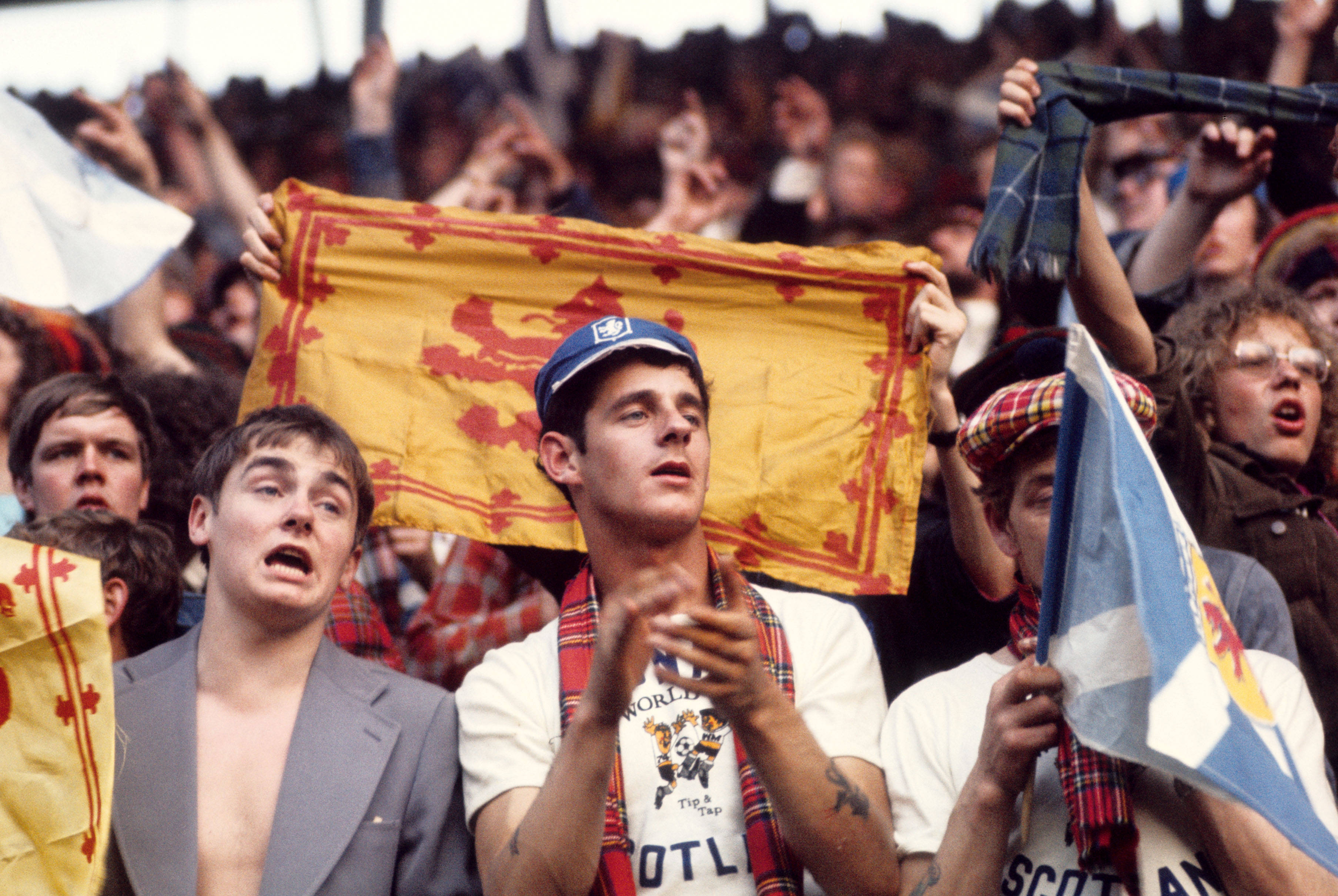
Scotland’s supporters, World Cup 1974. Photo Cor Mooij /PU/BSR Agency IMAGO
For Celtic supporters, there’s an extra layer to the anticipation, because whenever Scotland reach a major tournament, the natural question is which Hoops players will carry the club’s presence into the global spotlight. With Steve Clarke’s side already shaping up with familiar names, and with several Celtic figures pushing strongly for inclusion, the conversation has begun in earnest…
As supporters begin to look beyond the celebrations and towards what Scotland might actually achieve at the 2026 World Cup, attention has naturally turned to early tournament odds and the platforms fans use to study them.
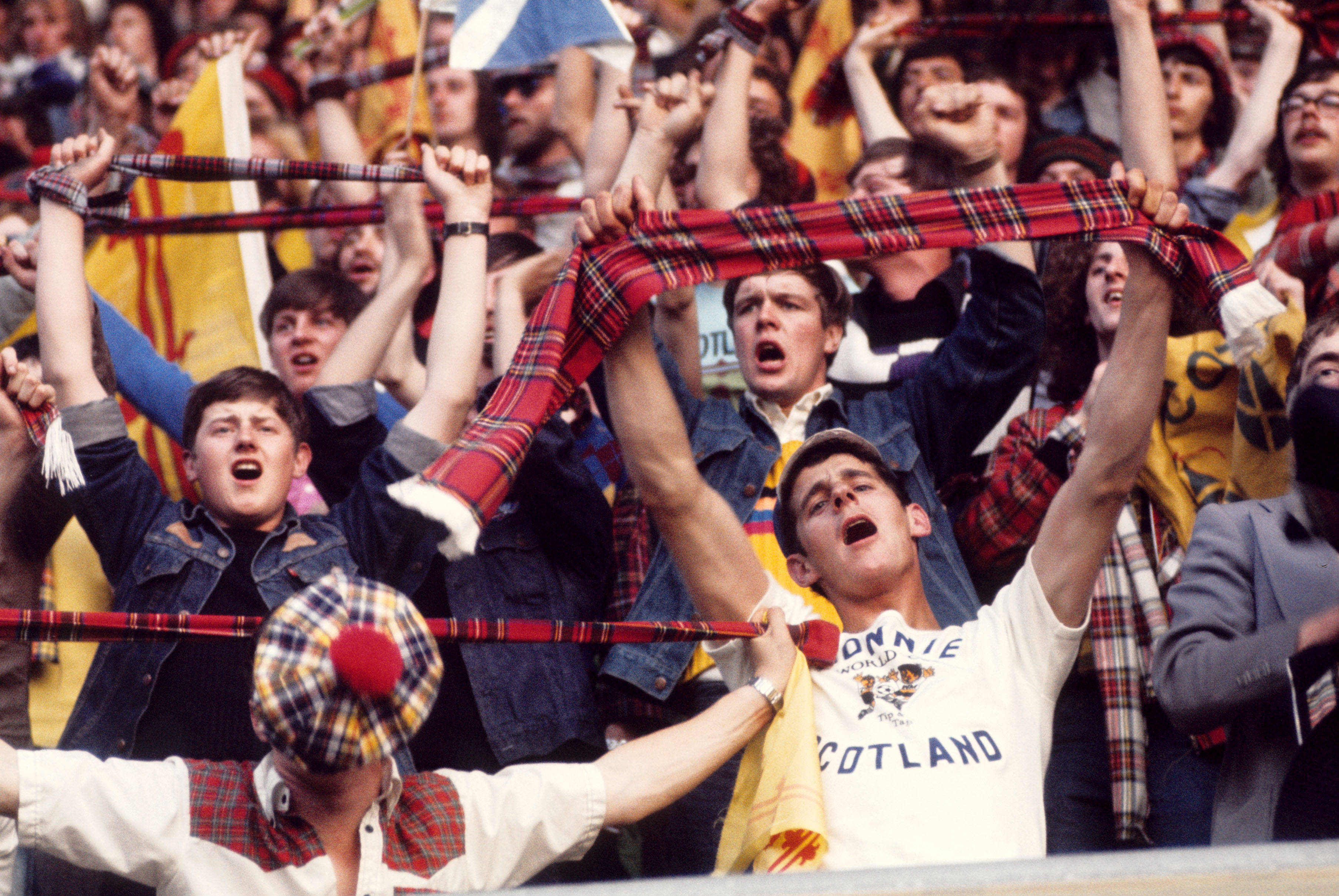
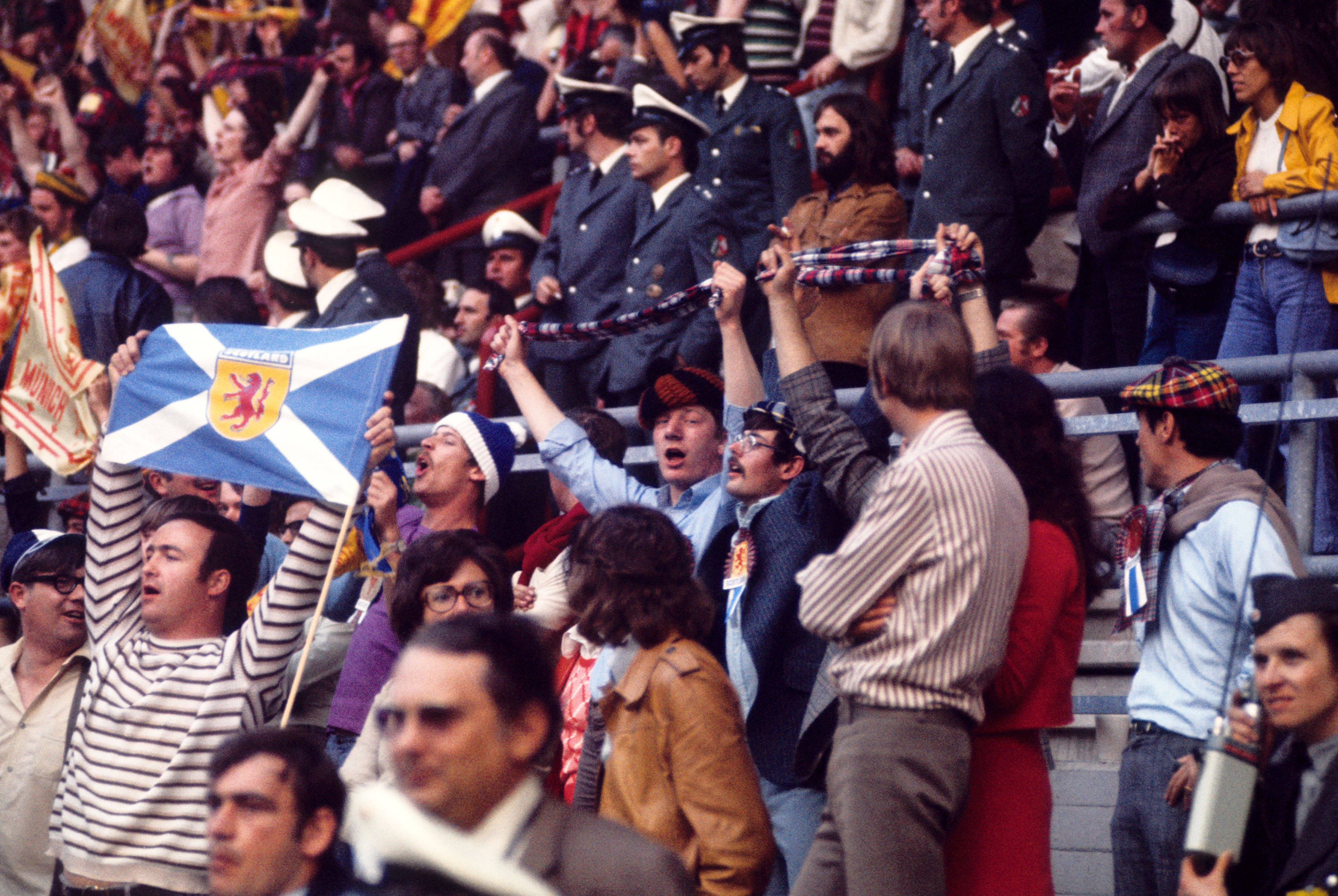
Scotland’s supporters, World Cup 1974. Photo Cor Mooij /PU/BSR Agency IMAGO
Scotland are around 4/5 to make it out of their group, which shows there’s a bit of belief in them reaching the round of 32 and even last 16, even if the opposition will be tough. Their outright price sits at roughly 150/1, give or take a little depending on the bookmaker or any offers running at the time, and that figure is fairly similar across most of the major UK betting sites. Many bettors now prefer the added flexibility offered by various platforms. These provide quicker transactions, wider payment options, and more generous bonuses than many UK-licensed alternatives. It only makes the build-up more exciting, particularly with a few Celtic players likely to have a real influence on how Scotland get on.
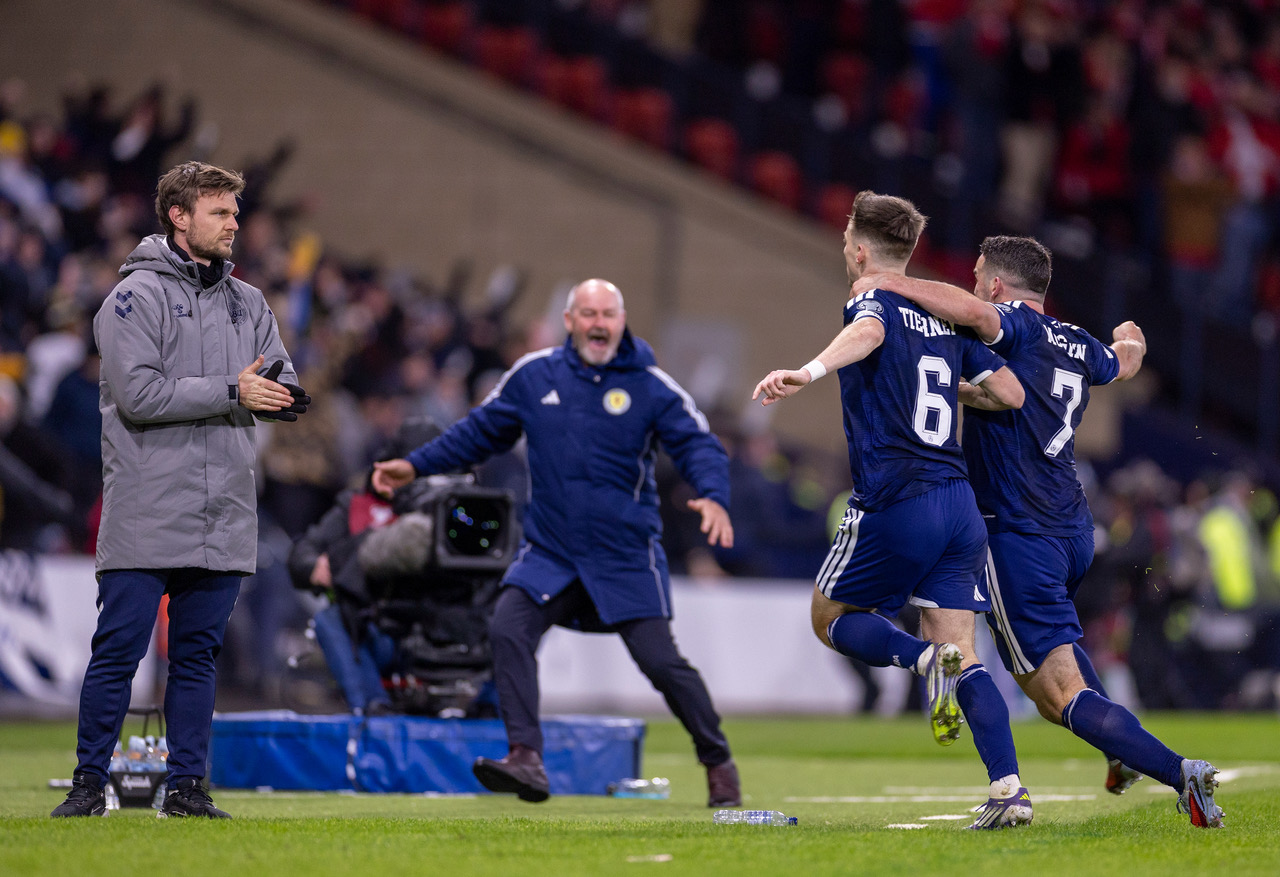
Kieran Tierney celebrates after scoring for Scotland against Denmark to take Scotland to the World Cup Finals! Photo – Vagelis Georgariou (The Celtic Star)
Among the clearest certainties for Scotland’s squad is the presence of Kieran Tierney, whose return to Celtic has already improved the club’s back line and restored something that had been missing for a while. Tierney has always carried himself with a sense of responsibility, but maturity and big-game experience have turned him into a leader whose influence stretches far beyond his position.
Steve Clarke knows exactly what he gets from him: Tierney brings a calm assurance to the left side, reading the game well and stepping forward at the right moments without leaving gaps behind him. He’s comfortable whether he’s used as a standard full-back or tucked into a back three, which gives Clarke valuable flexibility in a tournament setting where plans can change from one match to the next. With over 50 caps already to his name, he looks certain to be one of Scotland’s key figures when they head to North America.

Scott McTominay of Scotland celebrates scoring the opening goal with Anthony Ralston and other teammates Greece v Scotland, UEFA Nations League, Play-offs, First Leg, Football, Stadio Georgios Karaiskki, Athens, Greece – 20 Mar 2025. Photo Costas Baltas/Shutterstock
If Tierney feels like the automatic pick, Anthony Ralston is the one who has had to graft for every bit of trust he’s earned. His progress over the last few seasons hasn’t been flashy, but it’s been consistent, and that’s exactly what Clarke values. He knows his job, holds his position well, and stays switched on in games where one lapse can cost you. When Scotland needs a steadier presence on the right, or someone who can drift into midfield as the shape changes, Ralston fits the bill.
His showings in the qualifiers proved why he’s still very much in the mix: he works hard, follows instructions and handles pressure without fuss. Whether he starts or supports from the bench, he is likely to be part of the squad simply because managers value players who can be trusted not to lose the run of a match.
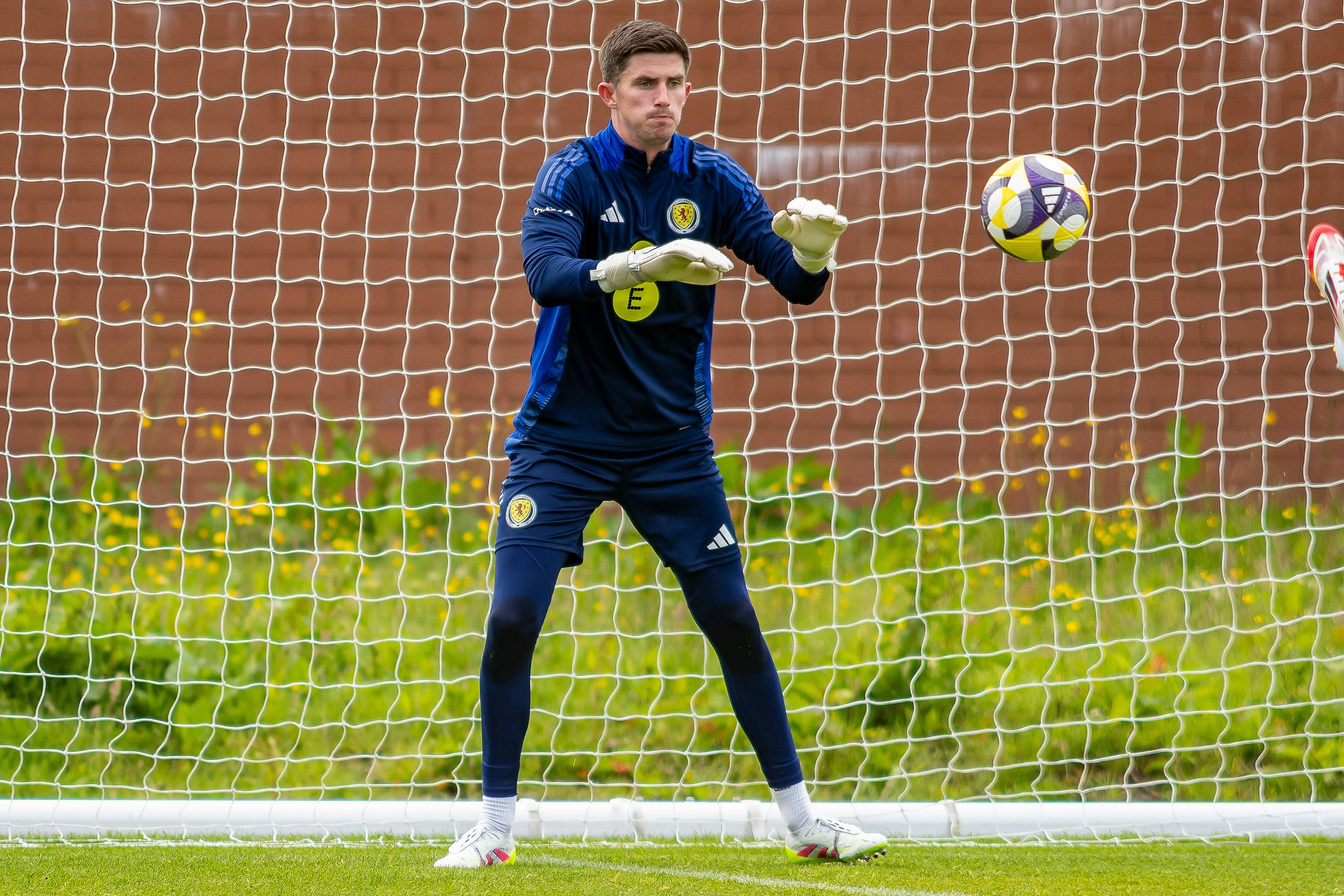
Scotland 08/06/2025. Press and training Ross Doohan during the Scotland National Team training session before travelling to Liechtenstein, photo Colin Poultney PSI
Ross Doohan sits further on the fringe, but he should not be overlooked. Goalkeepers can find opportunities in unexpected ways, and Doohan is close enough to the national setup to be called on if injuries create an opening. Clarke has called him into camps before, and although he missed the cut for recent qualifiers, that proximity matters. Scotland’s goalkeeping picture has shifted quite a bit in recent years, and with Craig Gordon now out of the frame, the pecking order behind the No.1 isn’t as settled as it used to be.
For Doohan, it’s simply about staying sharp, doing well at the club level, and being ready if a chance comes along. There’s nearly always a late addition to a World Cup squad.
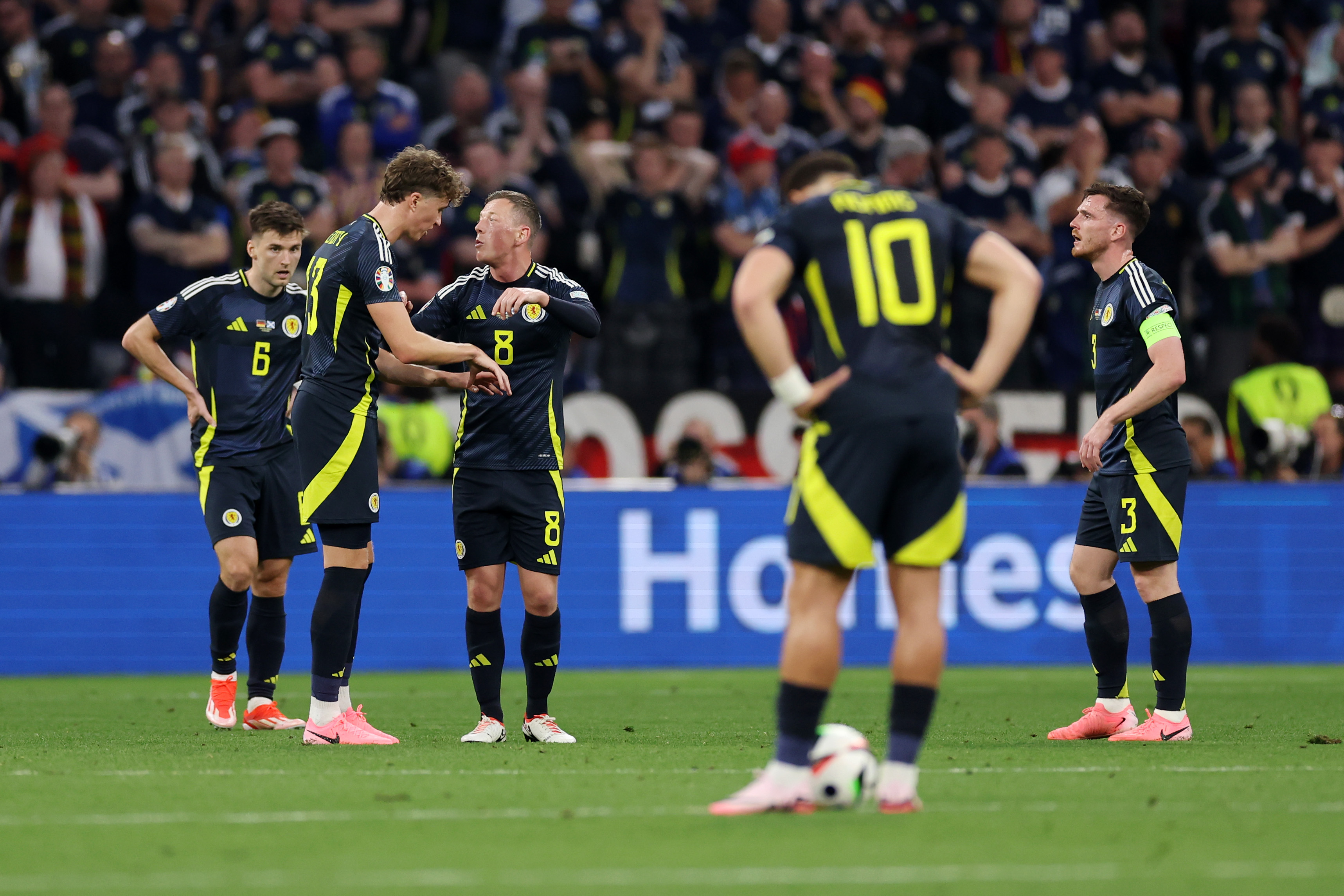
Jack Hendry of Scotland with teammate Callum McGregor after Jamal Musiala of Germany (not pictured) scores his team’s second goal during the UEFA EURO 2024 group stage match between Germany and Scotland at Munich Football Arena on June 14, 2024 in Munich, Germany. (Photo by Carl Recine/Getty Images)
The conversation naturally expands beyond current squad members, because Celtic’s influence on Scotland has never been limited to the present day. In fact, several of the national team’s most recognisable modern figures came through the club’s system or spent important parts of their early careers at Celtic Park. Jack Hendry is a prime example. His spell at Celtic was mixed, but the experience hardened him and helped shape a defender who has grown into an established part of Clarke’s plans.
The version of Hendry now playing in the Middle East is stronger, more assured, and better suited to international football than the one Celtic supporters remember. He reads the game well, carries the ball with confidence and rarely looks fazed in difficult moments. In tournament football, that composure becomes priceless.
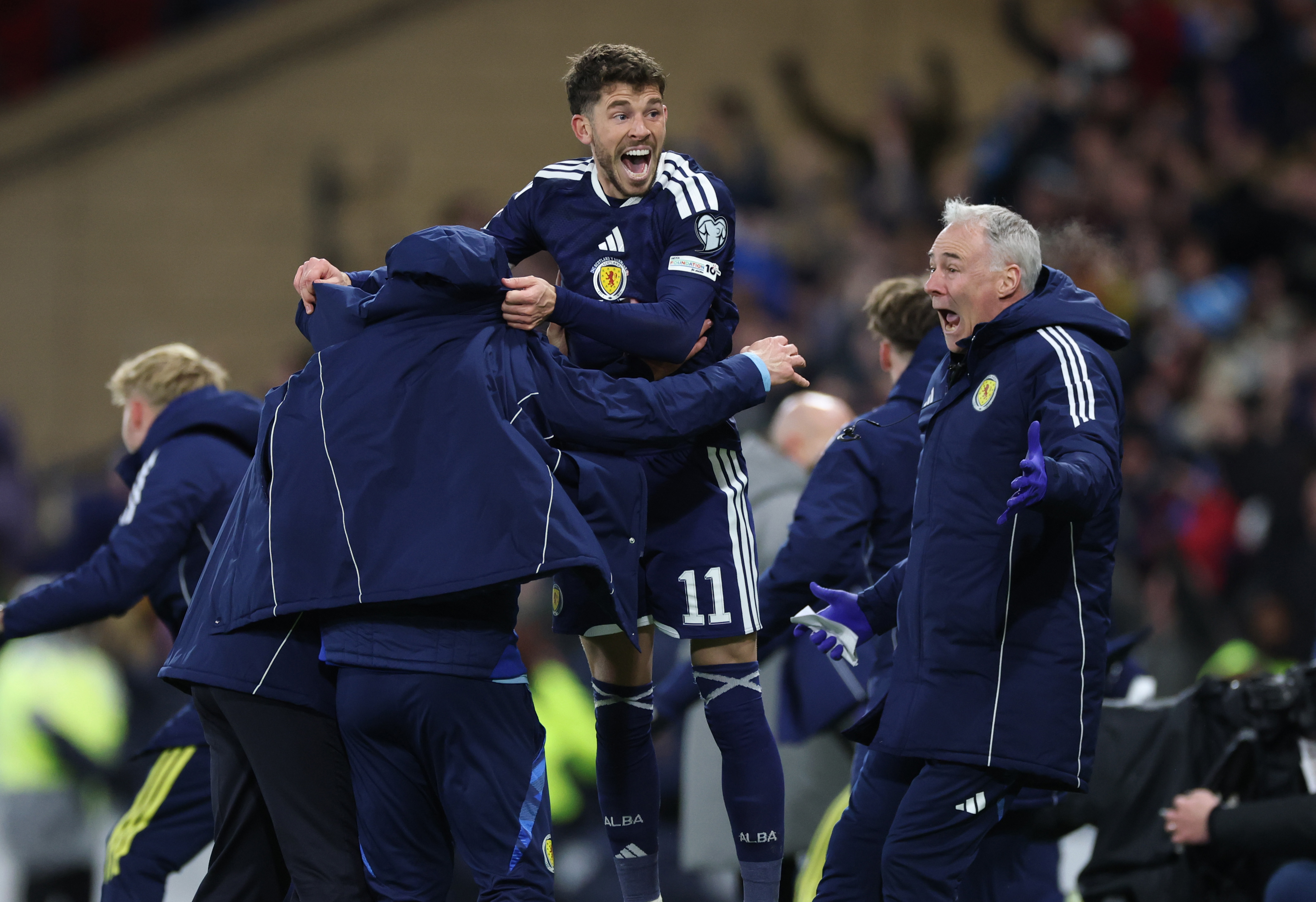
Ryan Christie of Scotland celebrates during the FIFA World Cup 2026 qualifier match between Scotland and Denmark at Hampden Park on November 18, 2025. (Photo by Ian MacNicol/Getty Images)
Ryan Christie offers another reminder of how Celtic’s environment prepares players for bigger stages. His spell in Glasgow helped shape the player he is now, mixing hard running with a bit of craft, and Scotland still leans on that mix today. His move to the Premier League sharpened his decision-making, but his willingness to graft for the team and press aggressively was forged during his time in the Hoops midfield.
Scotland usually carries more threat with Christie on the pitch. He lifts the pace of their play and finds little gaps that defenders don’t always know how to deal with. In the slower, more tactical rhythm of international tournaments, that instinctive movement often creates the chances that separate progress from early elimination.
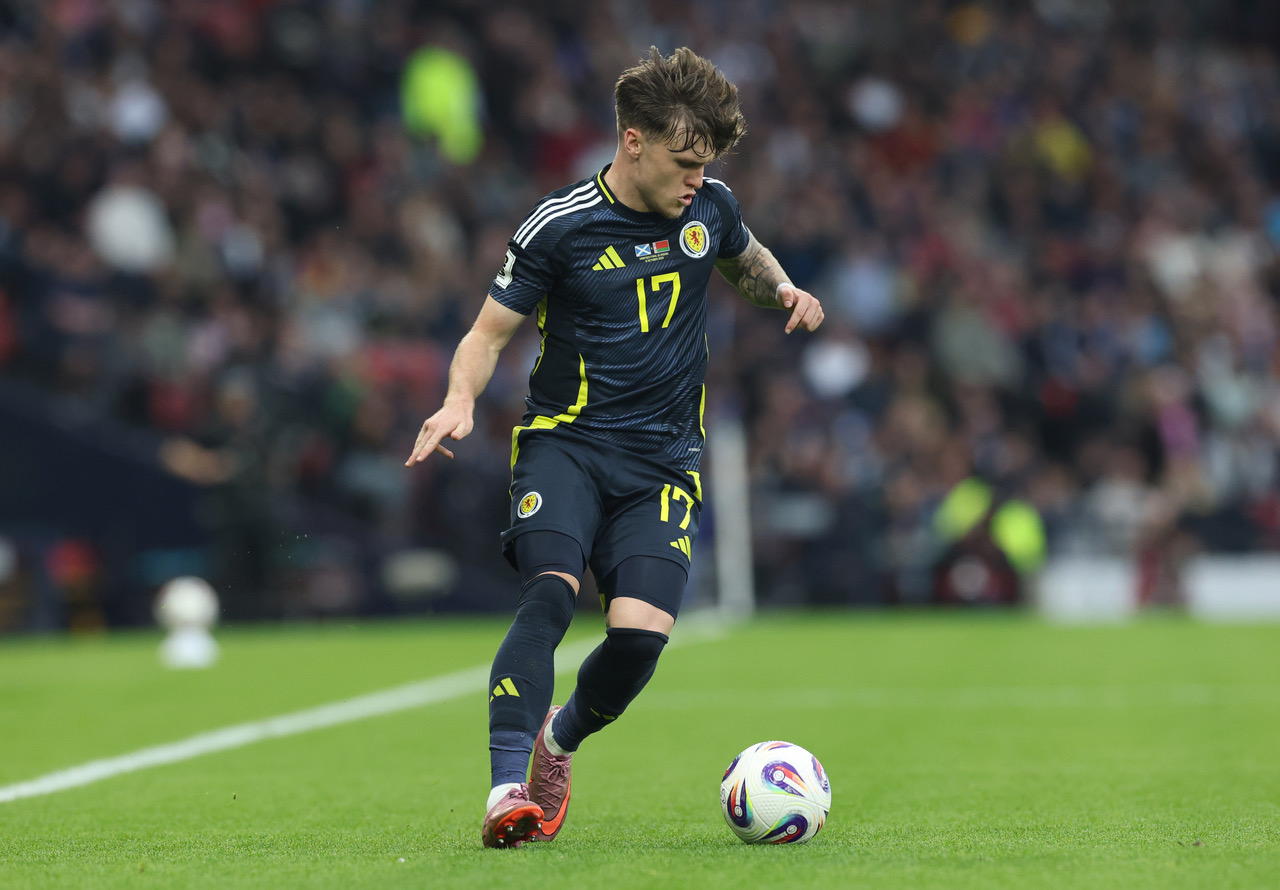
Ben Gannon-Doak of Scotland controls the ball during the FIFA World Cup 2026 qualifier match between Scotland and Belarus at Hampden Park on October 12, 2025. (Photo by Ian MacNicol/Getty Images)
Ben Doak is one of the most exciting young talents to come through Celtic in recent years. His big breakthrough might have happened after he moved on, but the grounding he got at the club helped him grow up fast and handle pressure early. Whether he makes the 2026 squad will come down to his form and fitness. His pace and willingness to run straight at people offer Clarke something a bit different.
The kind of threat that can make a real impact late on when defenders are starting to fade. If he misses out on this World Cup, it won’t be the end of it for him. He looks like a player who’ll force his way into the Scotland side soon enough, just as so many Celtic youngsters have done before him.
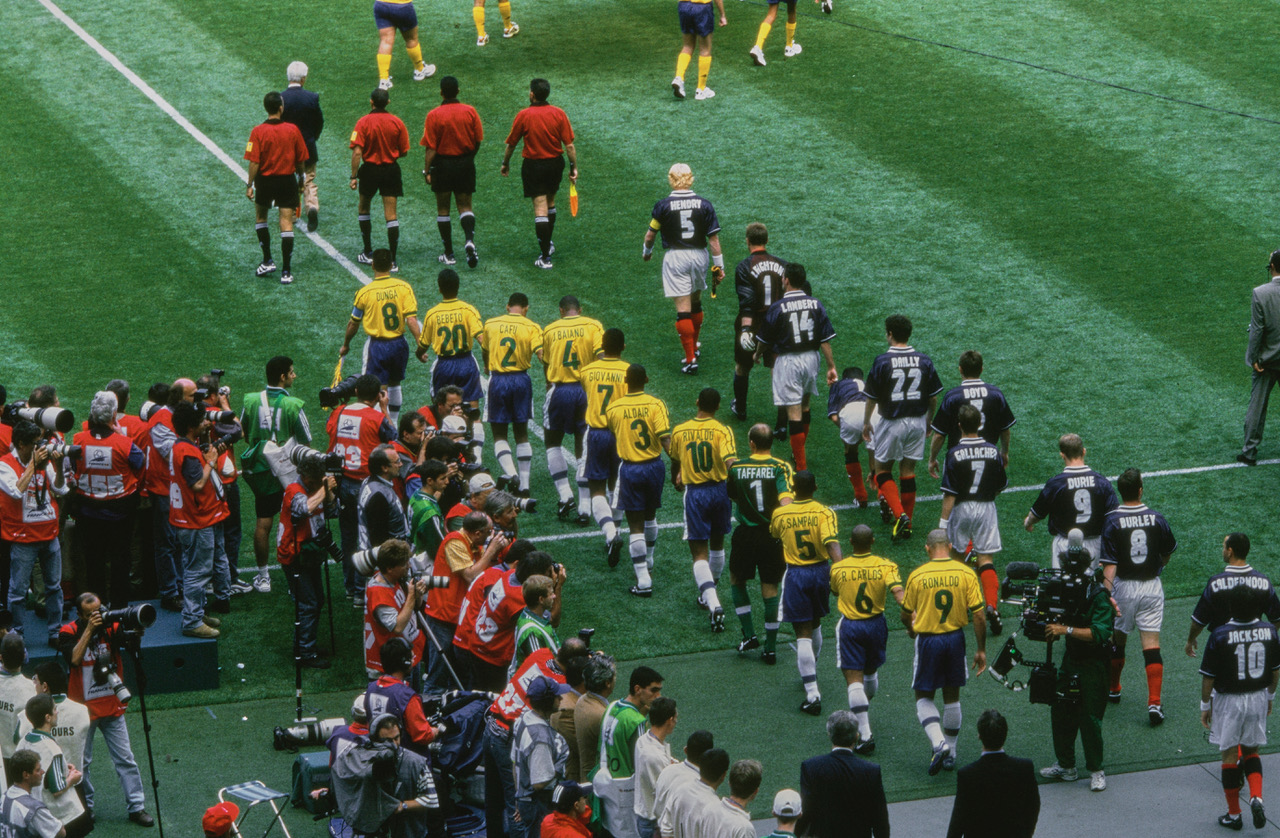
The Brazil (Brazilian footballers Dunga, Bebeto, Cafu, Junior Baiano, Giovanni, Aldair, Rivaldo, Claudio Taffarel, Cesar Sampaio, Roberto Carlos, and Ronaldo) and Scotland footballers Colin Hendry, Jim Leighton, Paul Lambert, Christian Dailly, Tom Boyd, Kevin Gallacher, Gordon Durie, Craig Burley, Colin Calderwood, and Darren Jackson) teams emerge onto the pitch ahead of the 1998 FIFA World Cup Group A match between the teams, at the Stade de France, Saint-Denis, Paris, France, 10th June 1998. Brazil won the game 2-1. (Photo by Marcus Brandt/Bongarts/Getty Images)
It’s impossible to look at Scotland’s World Cup story without thinking back to France ’98, the last time the team reached the finals. France ’98 carried a clear Celtic stamp, something supporters still look back on with real fondness.
Quite a few Parkhead players made that squad, and supporters loved seeing so many familiar faces on the biggest stage. Tom Boyd was right at the heart of it. He played every minute of the group games, steady as ever, reading situations well and keeping things under control in a way that people outside Scotland probably didn’t fully appreciate.
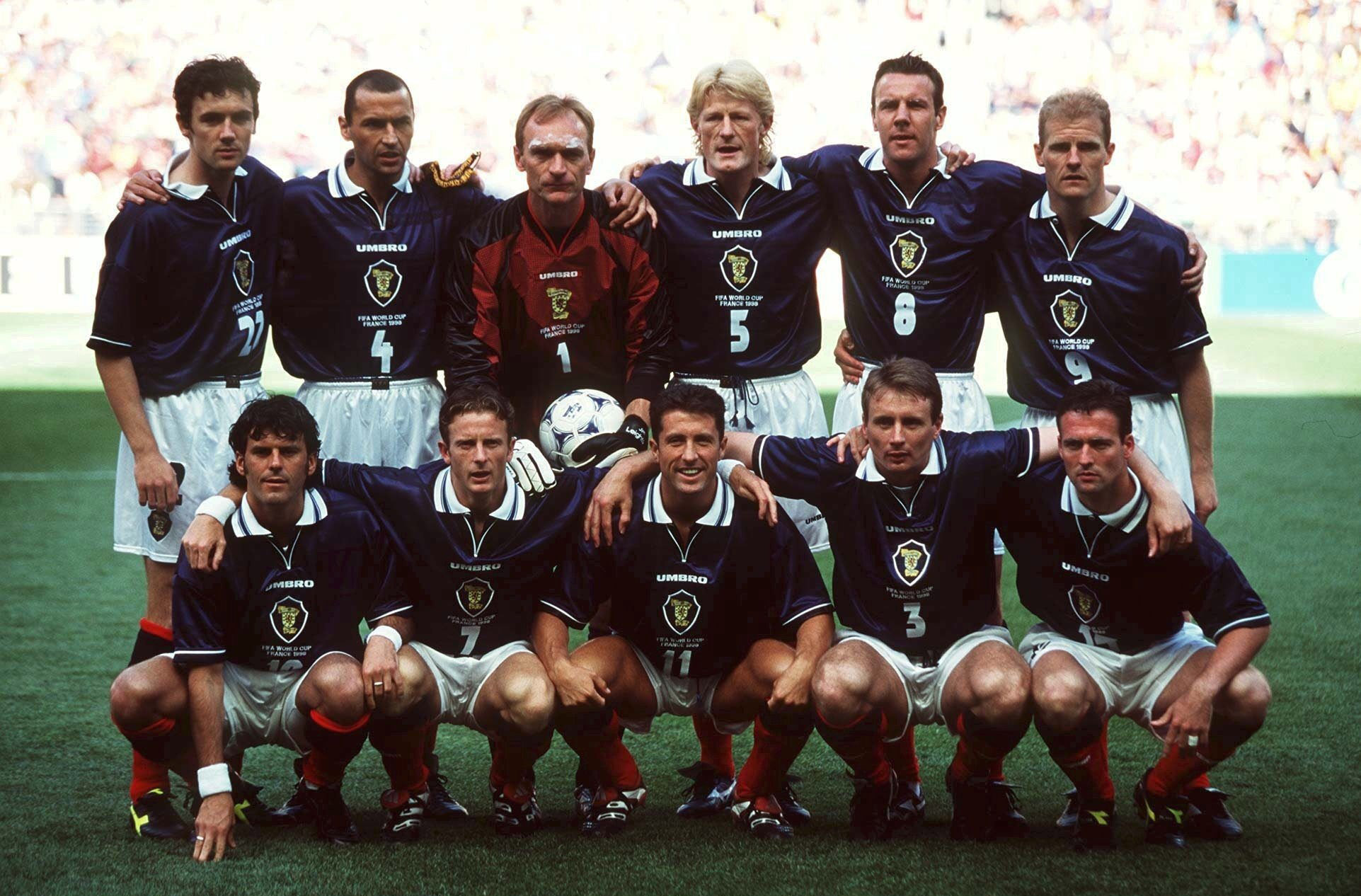
FRANCE – JUNE 10: WM FRANCE 98 Paris St.Denis; BRASILIEN – SCHOTTLAND 2:1 (BRA – SCO); TEAM SCO: hintere Reihe v.lks: Christian DAILLY, Colin CALDERWOOD, Jim LEIGHTON, Colin HENDRY, Craig BURLEY, Gordon DURIE; vorne:Darren JACKSON, Kevin GALLACHER, John COLLINS, Tommy BOYD, Paul LAMBERT (Photo by Henri Szwarc/Bongarts/Getty Images)
Alongside him, Paul Lambert added a touch of class. Fresh off his Champions League success, he brought control and assurance to the midfield that really stood out during the tournament. Craig Burley delivered the big moment of that tournament for Scotland, popping up with the equaliser against Norway — the only goal the team scored that summer and one that still gets shown in clips today.
Jackie McNamara played a key part too, happily shifting into different roles whenever the team needed him and giving Scotland some vital versatility. Tosh McKinlay brought know-how down the left, while Darren Jackson and Simon Donnelly added options going forward. Jonathan Gould offered reliable backup in goal.
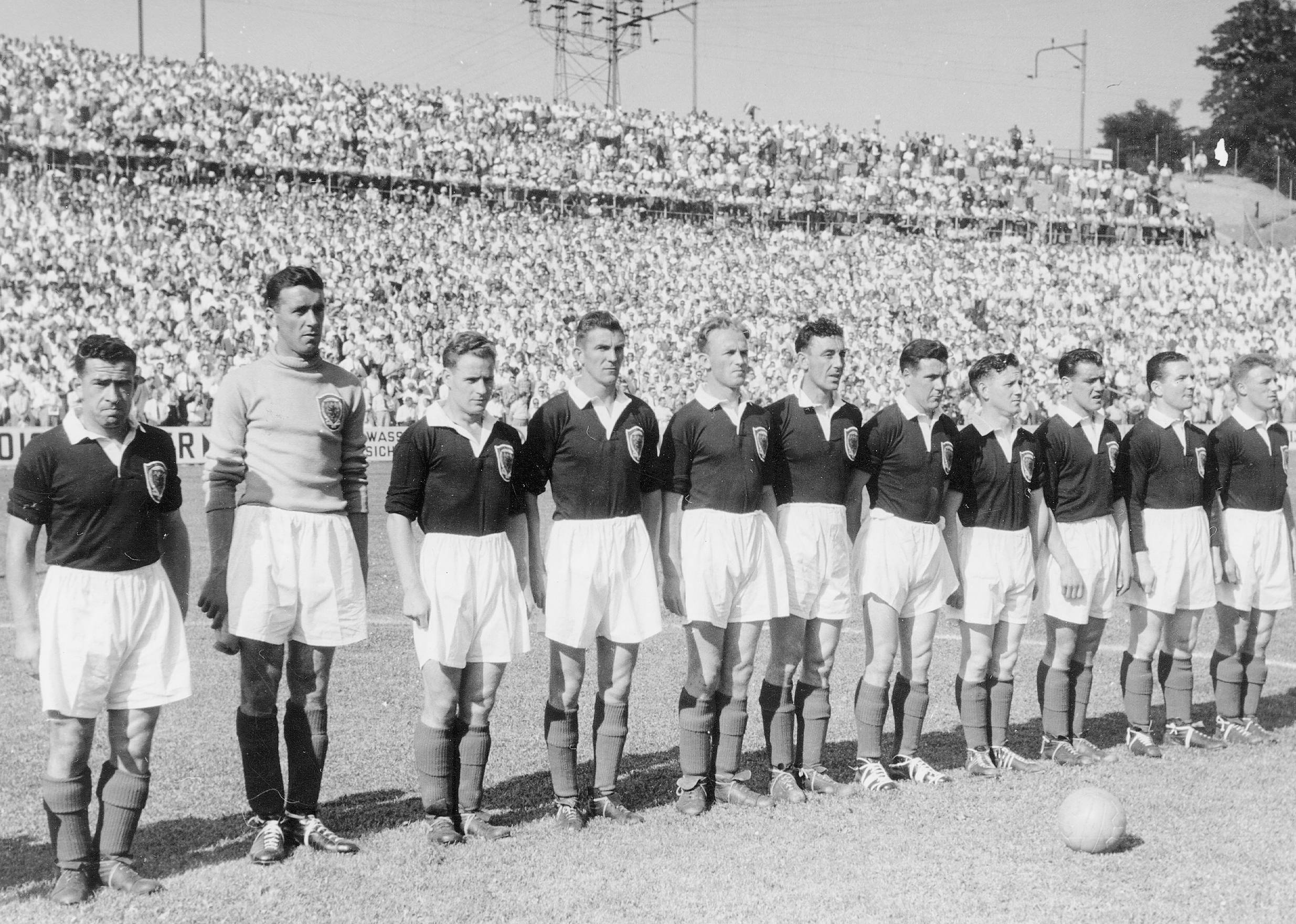
Football World Cup in the Switzerland Eighth finals. Uruguay v Scotland. The Scottish Team before the Game – Cunningham, Martin, Aird, Cowie, McKenzie, Davidson, Brown, Ormond, Fernie, Mochan and Doherty 19 06 1954 in Basel St Jakob Stadium Switzerland. Photo IMAGO
That link stretches back long before ’98. At the 1954 World Cup, Bobby Evans, Neil Mochan and Willie Fernie helped carry Celtic’s name onto the global stage as Scotland took part in the tournament for the first time. Danny McGrain, widely seen as one of Scotland’s greatest defenders, played at both the 1974 and 1982 World Cups, and fans still speak warmly about how good he was during those tournaments.
Roy Aitken and Paul McStay carried the Celtic legacy into the 1980s and 1990s, leading both club and country with authority, and then there is Kenny Dalglish, whose connection to Celtic shaped the early stages of one of football’s great careers.
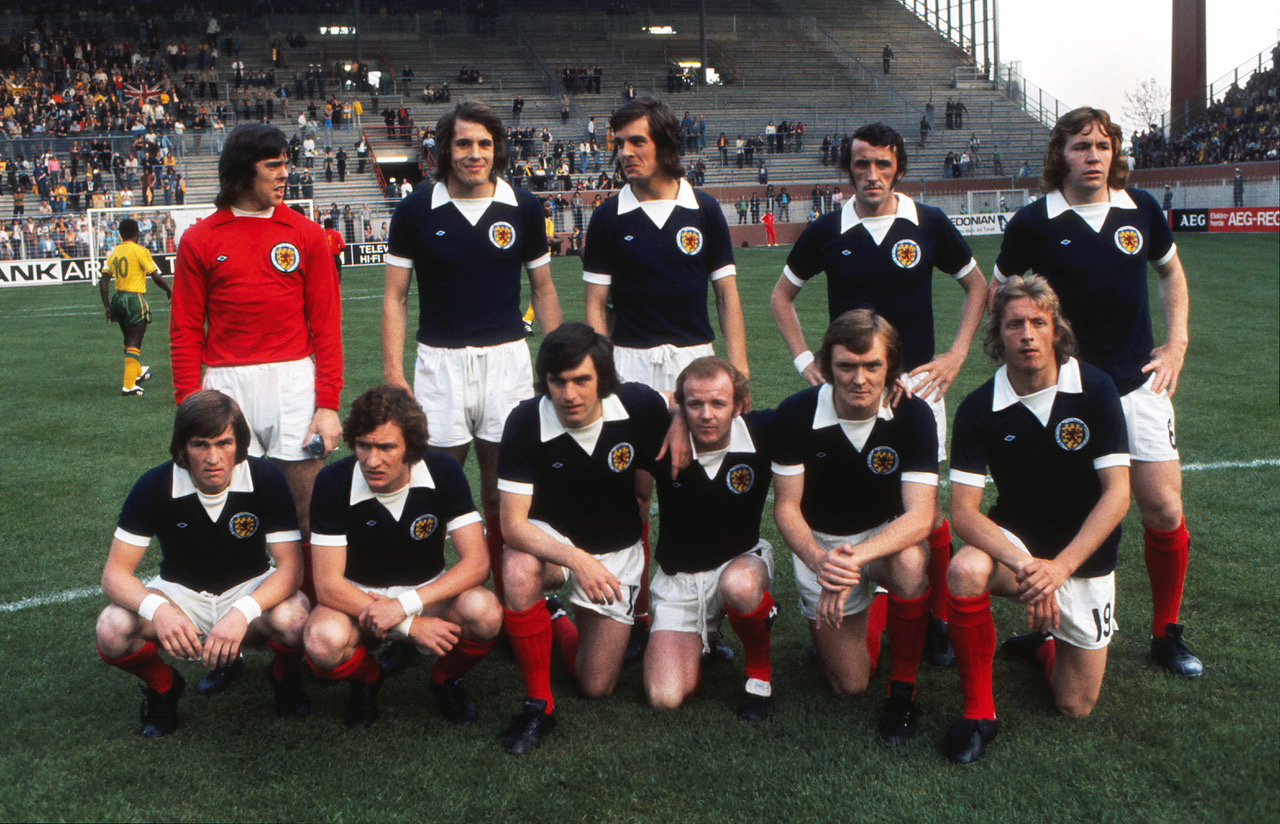
1974 World Cup – First Round, Group Two: Scotland 2 Zaire 0 14 06 1974 Scotland team group, Mannschaftsbild, Totale – back row l-r. David Harvey, Jim Holton, Joe Jordan, Danny McGrain,John Blackley. front – Kenny Dalglish , Sandy Jardine, Peter Lorimer, Billy Bremner,David Hay and Denis law at Westfalenstadion, Dortmund, West Germany. Photo IMAGO / Colorsport
As Scotland prepare to take on some of the strongest teams in the world, having a core of Celtic players gives the squad a sense of familiarity and identity. Tierney’s influence, Ralston’s steadiness, the impact of former Hoops and the rise of younger talents all add to a feeling of cautious optimism. Scotland will head to the United States, Mexico and Canada as outsiders, but the players shaped at Celtic bring a toughness and confidence that could help turn this World Cup into something more than just a long-awaited return.