Brendan Rodgers will take his share of criticism after Celtic’s latest disappointing performance, and rightly so. Any loss to a side managed by Steven Pressley will raise eyebrows, and the performance over the course of ninety-plus minutes deserves scrutiny.
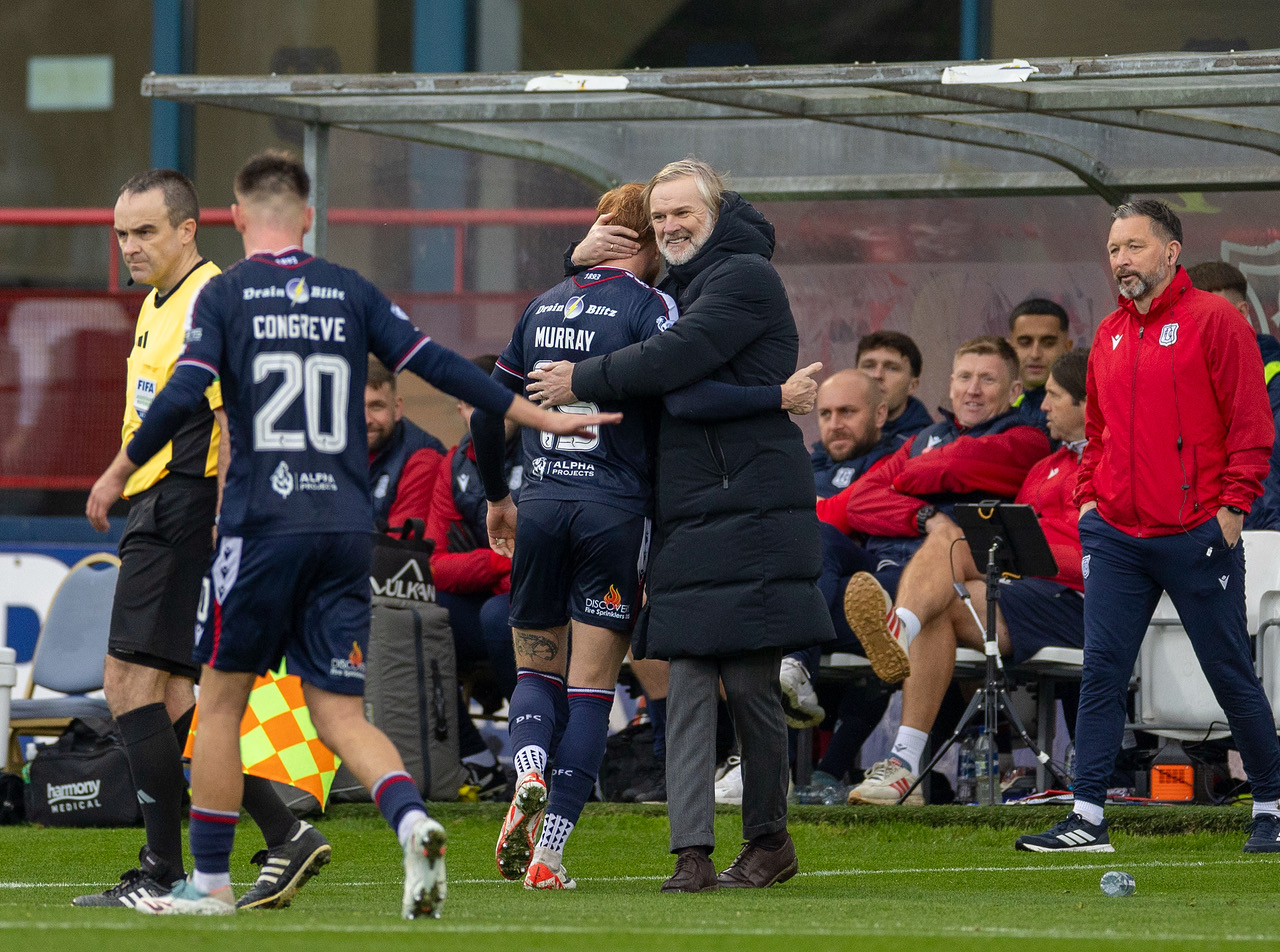
Dundee manager Steven Pressley. Dundee v Celtic. 19 October 2025. Photo Vagelis Georgariou (The Celtic Star)
So yes, Rodgers and his players deserve feedback for what was a subpar performance. But the truth is, this goes deeper than tactics or team selection. The root causes of Celtic’s stagnation lie not on the pitch or the touchline, but in the boardroom.
Sunday’s protests made that clear. Whether we agree with them or not, protest by definition requires a level of disruption, and disruption attracts attention. Cameras, microphones, and column inches amplify the message. The more consistent that message becomes, the harder it is to ignore.

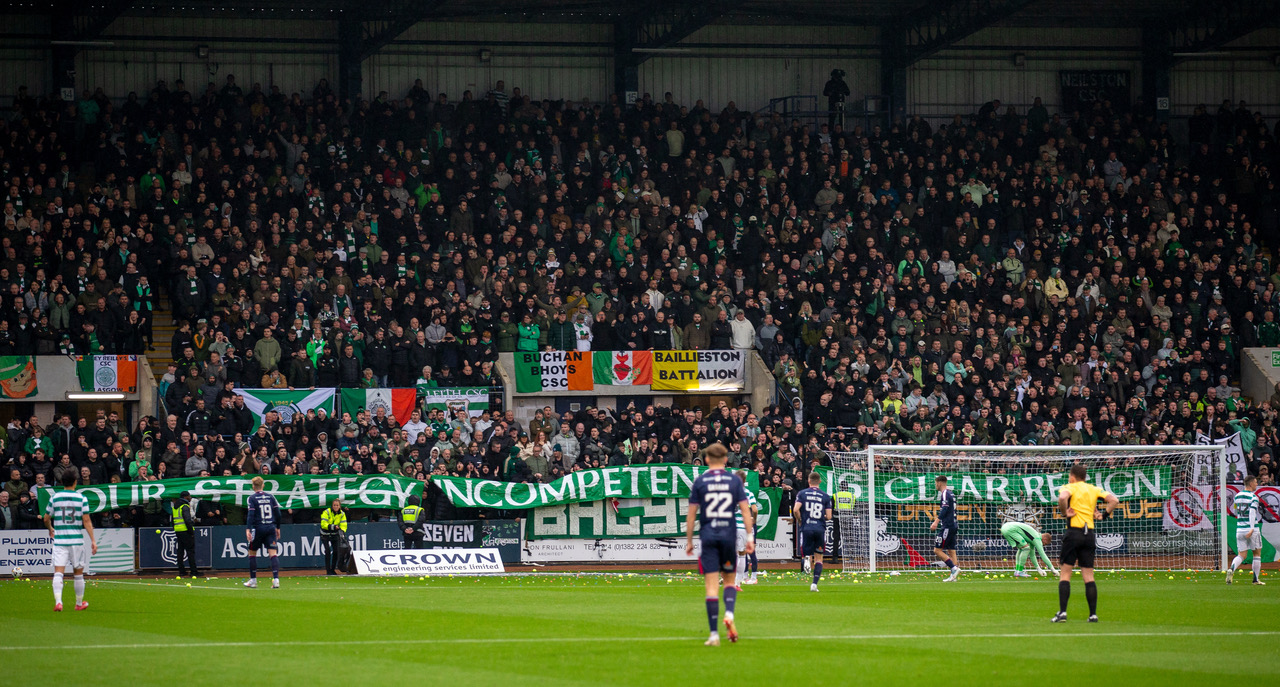
Fan Protest at Dens Park. Dundee v Celtic. 19 October 2025. Photo Vagelis Georgariou (The Celtic Star)
Some have suggested that these protests distract the players. That argument doesn’t hold a great deal of water. Even if we take away the fact the delay amounted to less time than some VAR checks take, back in April, fans staged a similar action at Tannadice, oranges on the pitch to protest ticket prices, a brief interruption followed again in the second half, and Celtic got a 5–0 win that sealed a league title. The players managed then. They could have managed now.
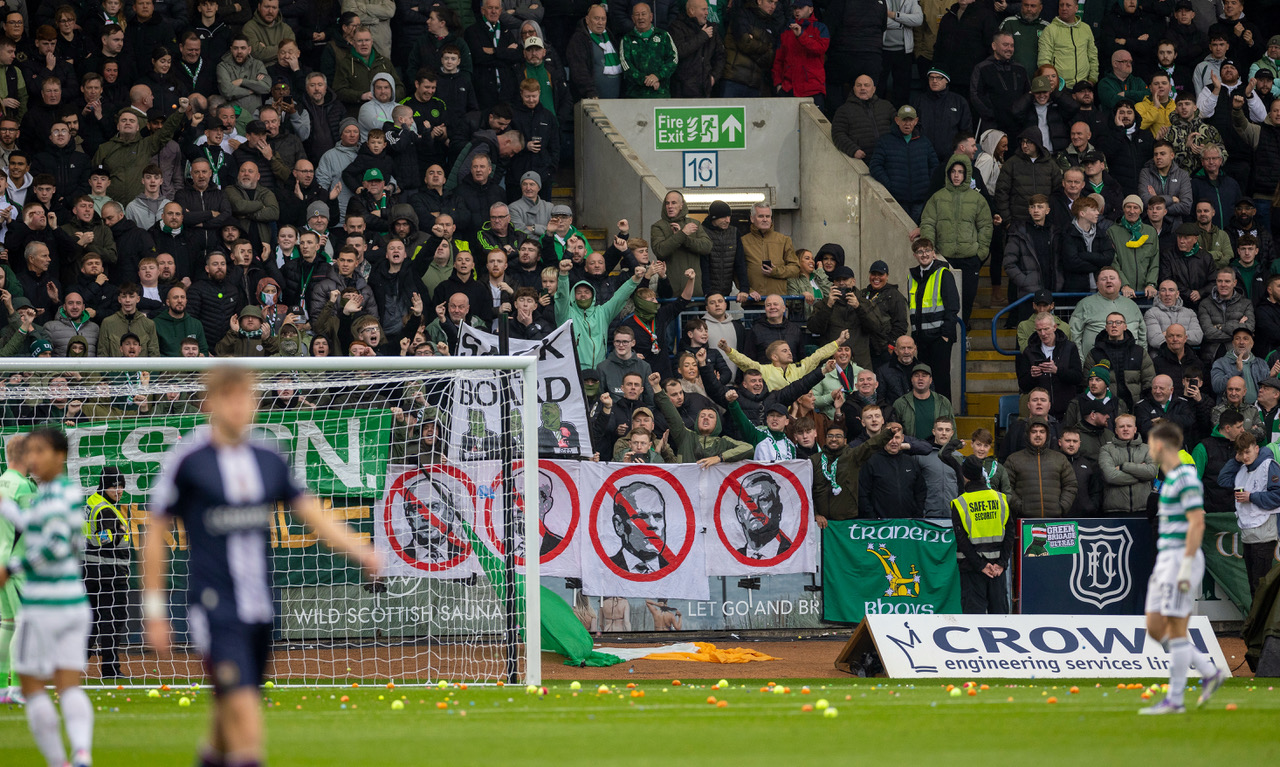
Fan Protest at Dens Park. Dundee v Celtic. 19 October 2025. Photo Vagelis Georgariou (The Celtic Star)
If fans are once again resorting to disruption, it’s because they believe they have little other option. A forward-thinking board, one that matches ambition with action, wouldn’t face weekly demonstrations. A board that prioritised footballing success and reflected the club’s wealth on the pitch wouldn’t face calls for change. And a board that invested its £77m surplus in a thriving academy, modern facilities, and genuine supporter engagement wouldn’t be hiding behind PR spin.
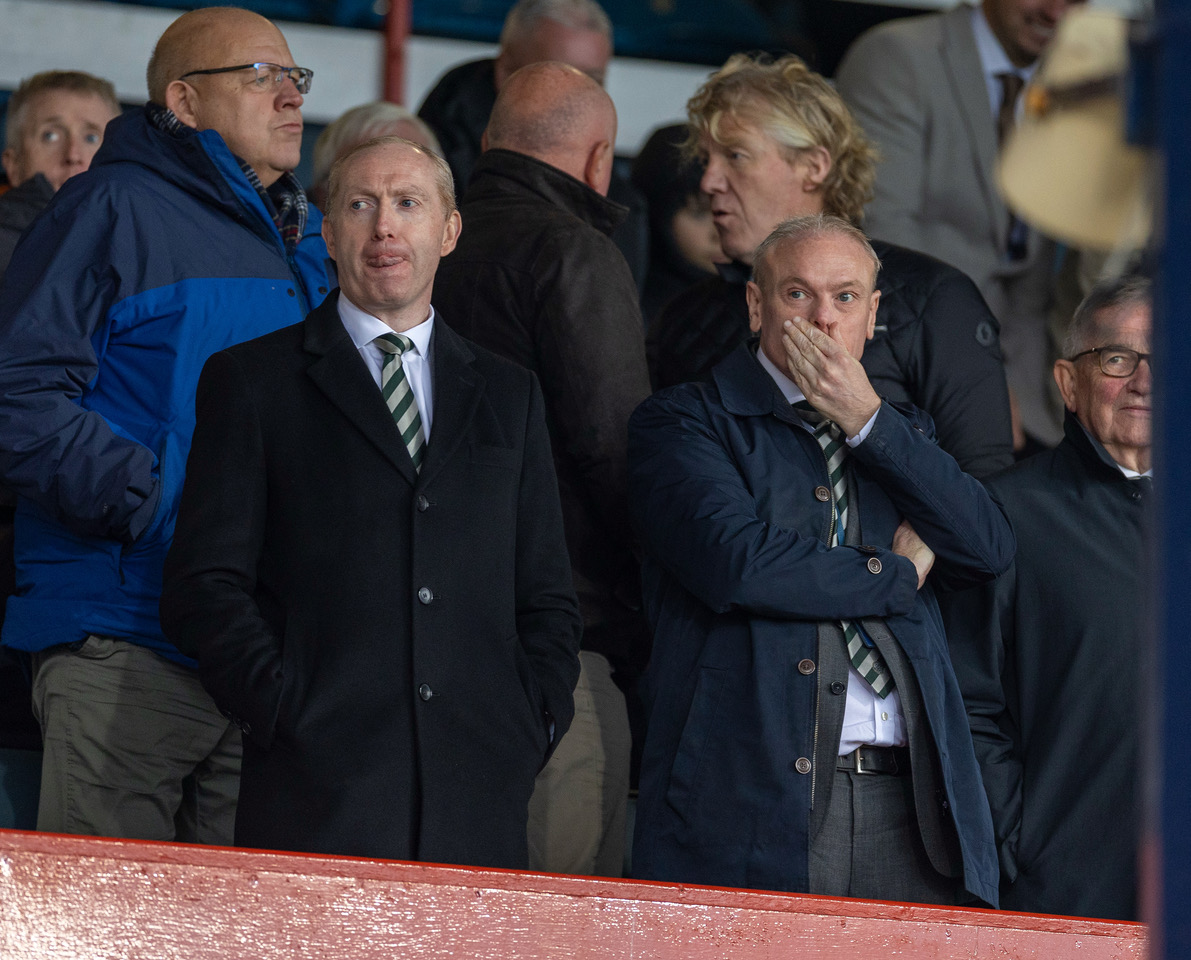
Michael Nicholson and Chris McKay. Dundee v Celtic. 19 October 2025. Photo Vagelis Georgariou (The Celtic Star)
Instead, Celtic fans see a cautious, reactive hierarchy, too comfortable with domestic dominance and too risk-averse to pursue real potential. Add to that the perception of leaks, poor communication, and limited transparency, and you have a club divided between those who dream of growth and those content with stagnation disguised as stability.
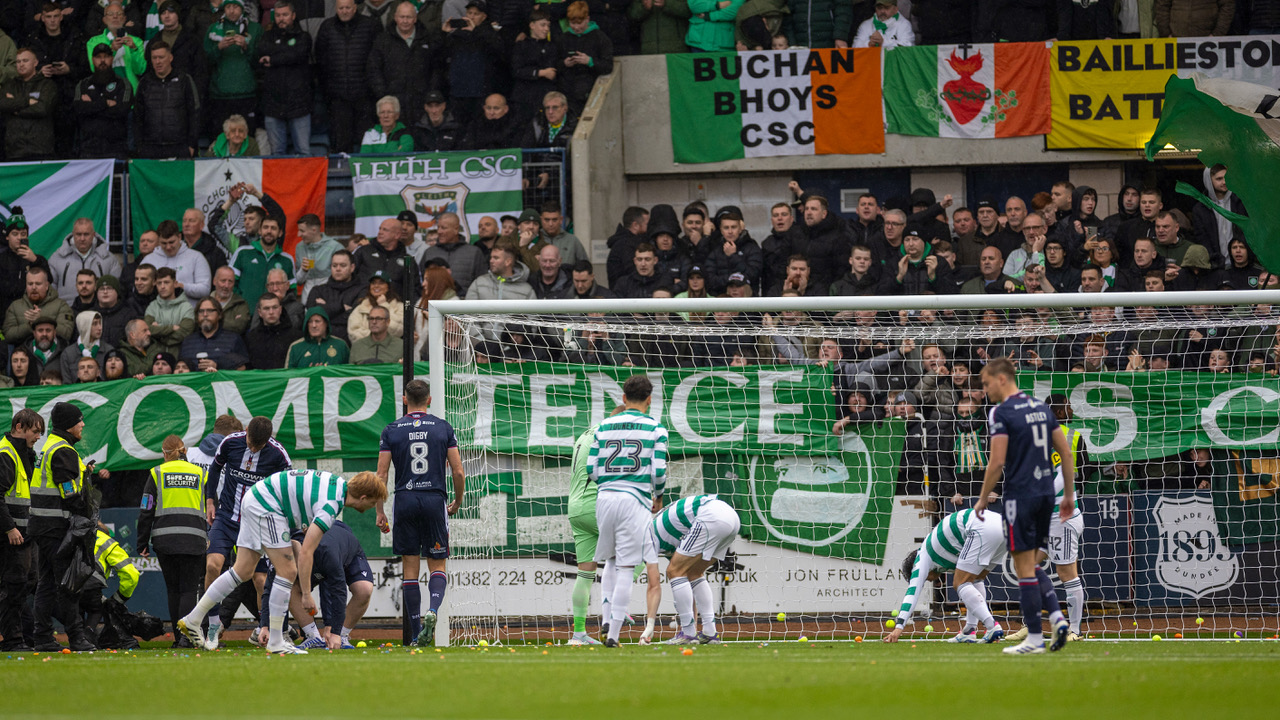
Fan Protest at Dens Park. Dundee v Celtic. 19 October 2025. Photo Vagelis Georgariou (The Celtic Star)
That’s why these protests continue. And we can’t lose sight of that. They’re meant to be disruptive, because disruption works. When fans are ignored, they will act. Over 420 supporter groups, now divided into sub-groups representing thousands of fans have now mobilised under the Celtic Fans Collective banner, each using different tactics, from corporate governance campaigns to throwing tennis balls, but united by a shared goal, to drive change at the top of the club.

Fan Protest at Dens Park. Dundee v Celtic. 19 October 2025. Photo Vagelis Georgariou (The Celtic Star)
Sunday’s protest wasn’t universally accepted or appreciated. That’s fine. Nor was the silence. But while the original agreement may have been for the action to take place before kick-off, having it occur just after play began arguably made it more effective. The symbolism of interrupting the game and the live broadcast, without a chance to shift to an advert break, ensured the issue couldn’t be quietly ignored.
And it wasn’t. Coverage of the protest went national, not just local. On repeat on SkySports and Monday’s Times — the national edition — featured a striking image of the tennis balls scattered across the pitch, framed by the Sack the Board banner and the “no entry” signs depicting Desmond, McKay, Nicholson, and Lawwell. That image, seen across the UK and beyond, told the story far louder than any press release or supporters’ statement could. The message reached well beyond the usual media beat, and that in itself was a victory for the Collective.
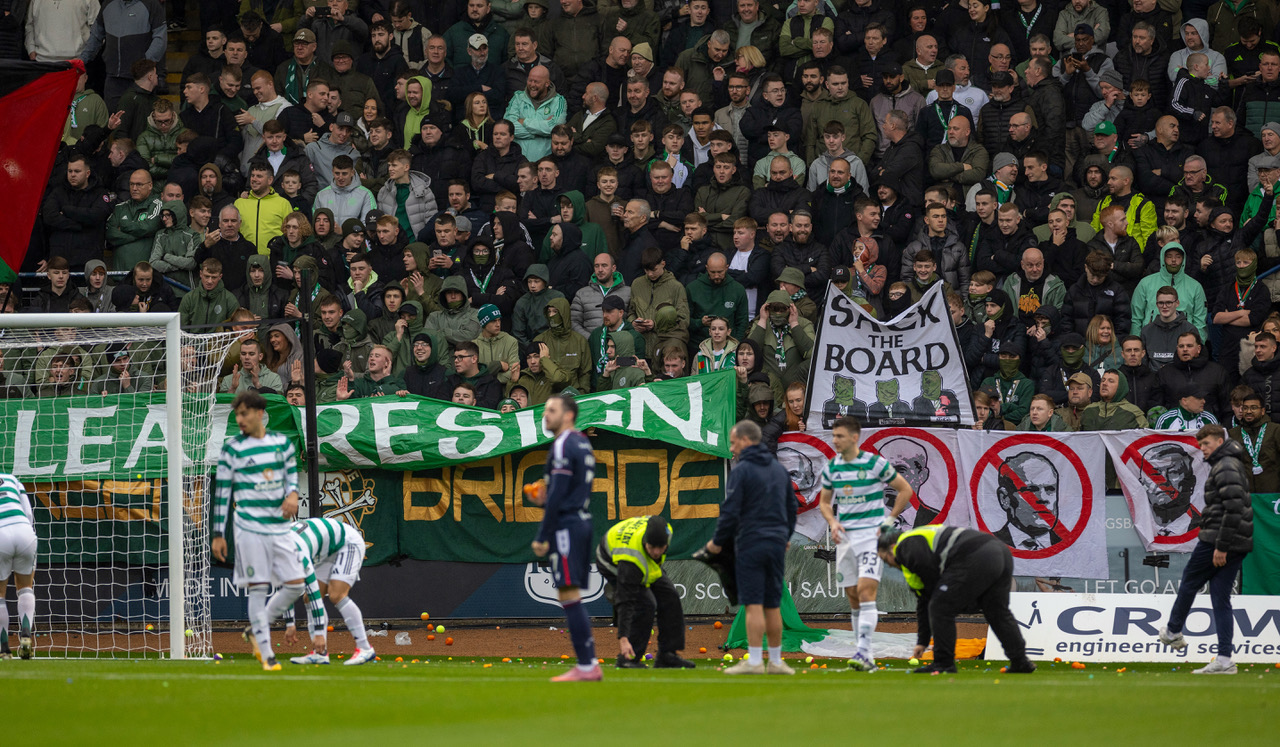
Fan Protest at Dens Park. Dundee v Celtic. 19 October 2025. Photo Vagelis Georgariou (The Celtic Star)
From the outset, the Collective made it clear, no one is being pressured into any action they don’t support. The same leeway should be afforded to those who do. It’s perhaps unrealistic to expect every decision across multiple sub-groups to go to a vote or to please everyone, after all publicising the tactics would immediately lead to stringent police searches at the stadiums, and leaks haven’t always been the sole preserve of Celtic this season either, but it will be feedback taken on board. This movement is still in its infancy. There will be trial and error. Mistakes will be made, and lessons learned. But what matters most is that people are actually doing something.
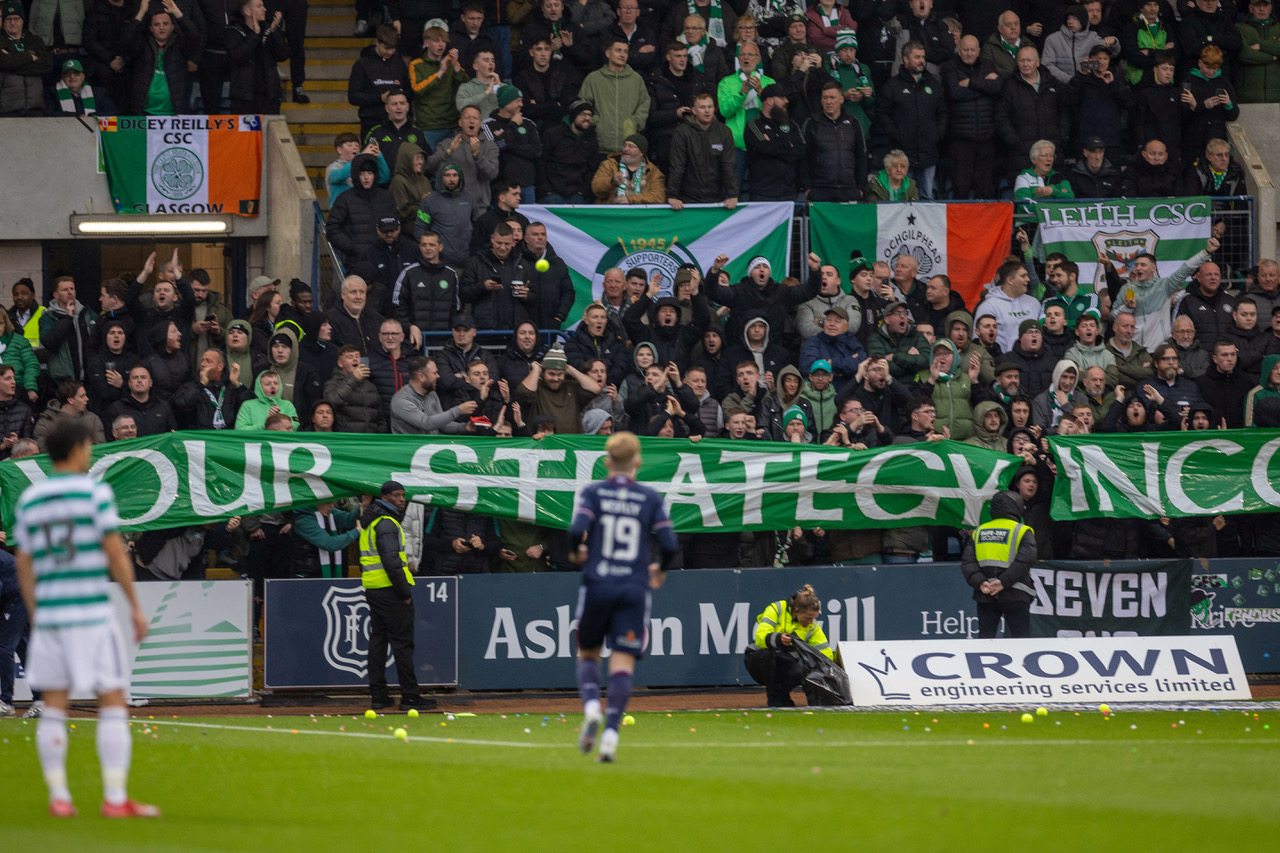
Fan Protest at Dens Park. Dundee v Celtic. 19 October 2025. Photo Vagelis Georgariou (The Celtic Star)
And it’s worth remembering, these are volunteers. Fans with full-time jobs, families, and limited time who are giving up evenings and weekends to organise, fund, and plan actions aimed at making the club better. Ten Celtic fans in a room will likely produce eleven opinions, but what unites them is a shared desire for progress.
For those who don’t agree with the methods, that’s fine too. But it’s the easier job to criticise than to create. Offering constructive alternatives is harder. The Collective have said they are open to new ideas and willing to listen. The invitation is there.
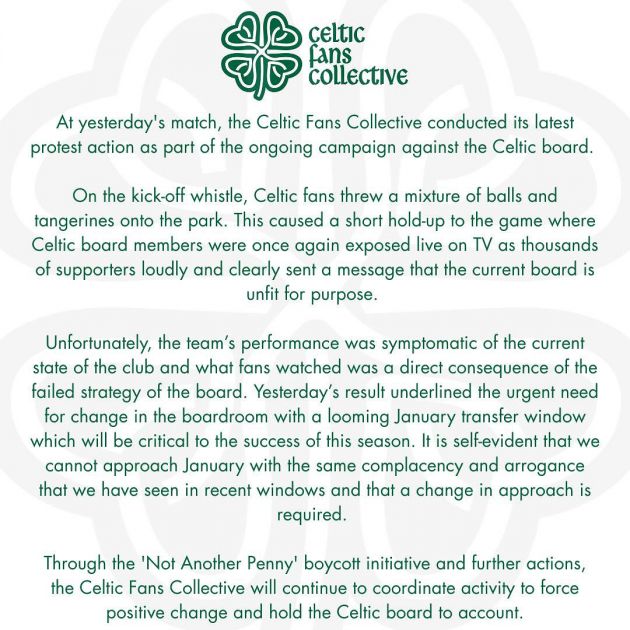
Ultimately, this is bigger than a single game against Dundee. It’s about Celtic becoming a modern, ambitious club that truly engages with its supporters, invests in its future, and values the matchday experience as much as the balance sheet. The greater concern should be whether Celtic as a club continues to accept mediocrity from those in charge.
Many fans are no longer content with silence. They are speaking, loudly and visibly. And until genuine change arrives from the boardroom, they will continue to do so.
Because the choice is pretty clear, disruption now, or decline later.
Niall J
Celtic in the Thirties in Two Volumes – Brilliantly researched and written by Matt Corr. An unmissable addition to any Celtic bookshelf. Click on the image below to order your copies…

Celtic in the Thirties, Vol 1 & 2 by Matt Corr. Published by Celtic Star Books – Click on image to order

Celtic in the Thirties by Celtic Historian Matt Corr is published in two volumes by Celtic Star Books. Click on image to order your copies…