

Who is responsible when Celtic keeps making the same mistakes?

Celtic v BSC Young Boys, view of Paradise from the sky. Photo Vagelis Georgariou
At Monday’s meeting between Celtic executives and fan representatives, the topic of accountability dominated much of the discussion. It was, in many ways, the question at the heart of the evening. Who is actually responsible when Celtic repeat the same failings, year after year, in the transfer market?
When supporters pressed for clarity on this point, CEO Michael Nicholson was clear, at least in principle. The executive and footballing teams, he said, are accountable to the Celtic plc Board.
That, in theory, is how governance works. But in practice, it’s a circular process, executives accountable to a board that they themselves largely influence, reviewed through “internal” processes that are never made public, and measured by criteria that only the Club defines.
Accountability, in this sense, becomes not a mechanism of scrutiny but a formality, like a closed loop of self-assessment that produces no meaningful change.
Nicholson repeated that confidentiality is essential in football operations, particularly around transfers. Fans didn’t disagree. Nobody expects line-by-line disclosure of negotiations.
What they do expect, however, is transparency of process, an understanding of how lessons are learned, who takes responsibility when objectives are missed, and what steps are being taken to ensure the same errors aren’t repeated.
Yet once again, the answer offered was familiar, there would be a review, and the Club would “think about how best it can communicate.”
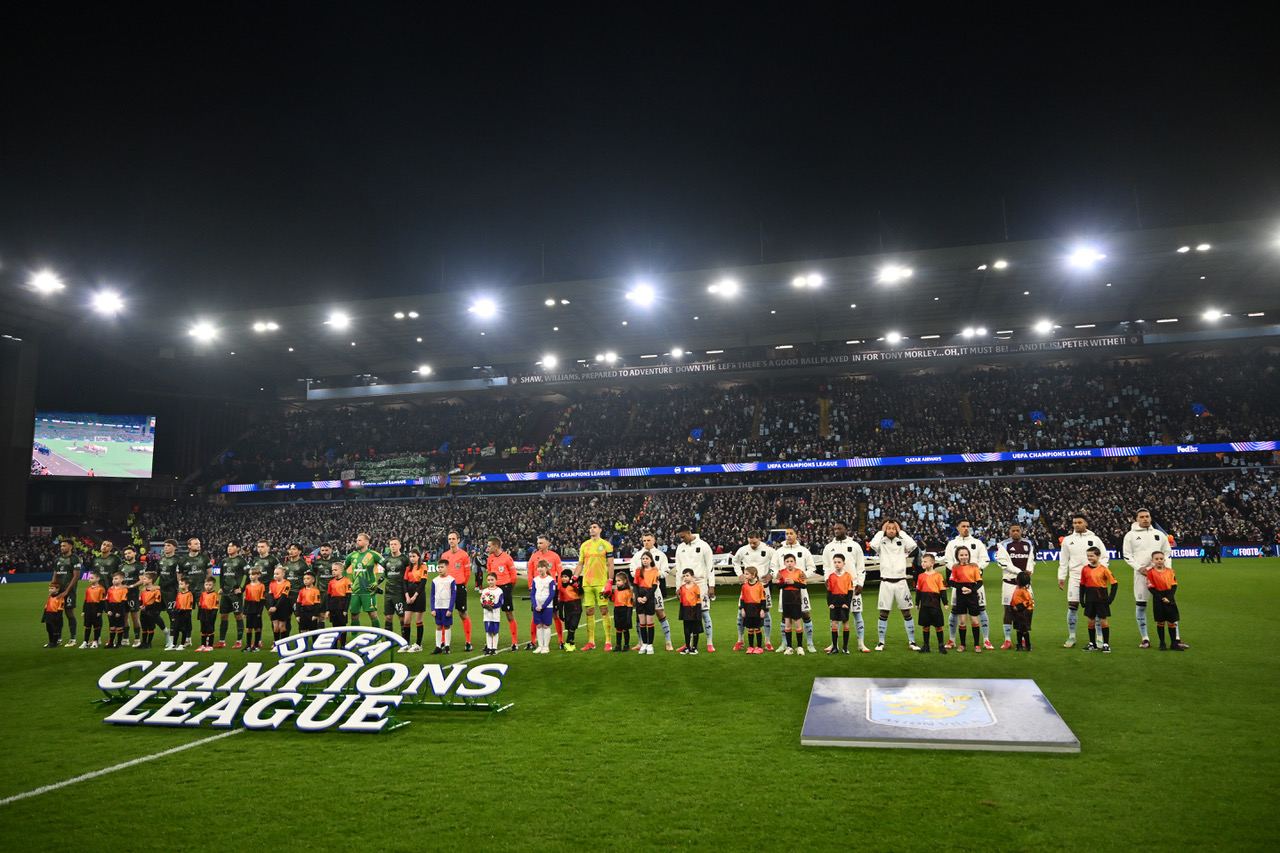
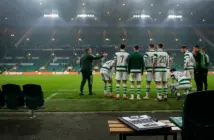
View inside the stadium prior to the UEFA Champions League match between Aston Villa and Celtic at Villa Park on January 29, 2025. (Photo by Julian Finney/Getty Images)
That phrase, “we’ll look at this and come back to you”, has become a running theme of Celtic’s engagement with supporters. It is a polite way of ending the conversation without committing to anything. Fans at the meeting were quick to point out that this pattern is part of the problem. It’s not simply a communications issue, it’s a credibility issue. There is no accountability if the people who are supposed to be held accountable are the same ones conducting the review.
When the conversation shifted to the summer transfer window, the frustration deepened. Supporters asked why, once again, Celtic had failed to invest in key positions despite clear weaknesses in the squad and the manager’s public pleas for reinforcements.
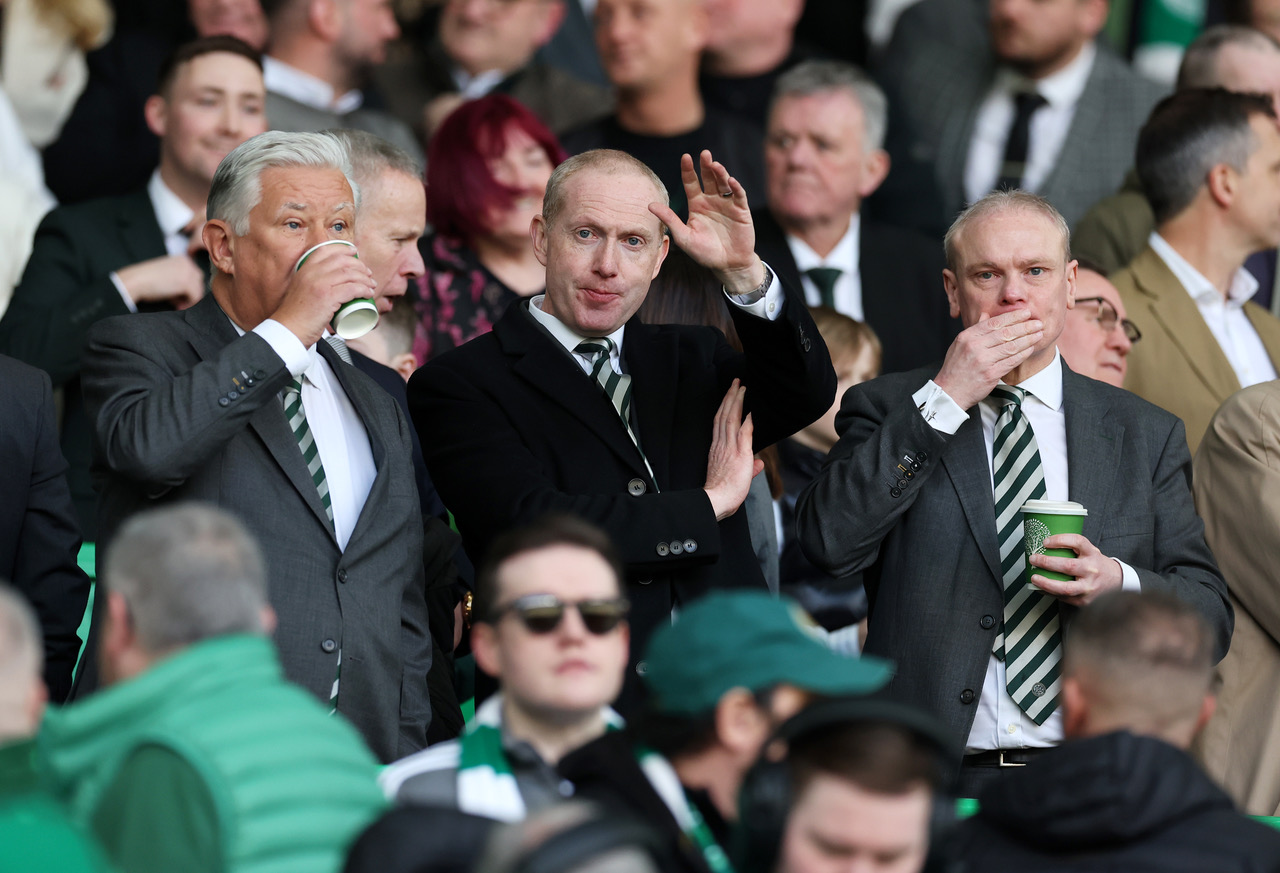
Peter Lawwell, Michael Nicholson and Chris McKay watch on during the Scottish Gas Scottish Cup Quarter-Final match between Celtic and Hibernian at Celtic Park on March 09, 2025. (Photo by Ian MacNicol/Getty Images)
Nicholson and Chief Financial Officer Chris McKay pointed to a familiar list of obstacles, player intent, club negotiations, taxation, market dynamics. These are, of course, realities of modern football. But they are also eerily familiar, almost word-for-word from the Club’s official statement last month. It’s as if the same paragraphs are dusted off and reissued every time things go wrong.
The real concern among supporters isn’t that these challenges exist, everyone understands that transfers are complex. The concern is that Celtic seem perpetually unprepared to overcome them.

Celtic fans celebrate during the UEFA Champions League match between Aston Villa and Celtic at Villa Park on January 29, 2025. (Photo by Julian Finney/Getty Images)
Supporters don’t expect the club to sign every target, but they do expect the people responsible for recruitment to anticipate these variables and navigate them successfully. Every club faces market complexity, the best ones are proactive, not paralysed by it. When Celtic list challenges as excuses, it raises a bigger question, do the people in place actually have the expertise and agility required to meet them?
If these obstacles are truly insurmountable, as the rhetoric sometimes implies, then the environment will never change, and neither will Celtic’s results. Indeed, it in all likelihood, it will only get more complex. The support doesn’t need another list of reasons why the job is difficult. They need to hear about the solutions being implemented to ensure the same mistakes aren’t made again.

Celtic fans show their stupidity and selfishness by lighting flares during the UEFA Champions League match between Aston Villa and Celtic at Villa Park on January 29, 2025. (Photo by Julian Finney/Getty Images)
The minutes of the meeting make it clear that frustration was communicated. Representatives described the club’s transfer approach as “scattergun” and poorly aligned with the manager’s needs. The lack of early signings before UEFA qualifiers was held up as a case study in chronic unpreparedness, a theme that has persisted across multiple managers, recruitment chiefs, and three chief executives. The pattern is institutional, not incidental.
And that raises a deeper concern. If the issue lies in football operations, in the identification and execution of deals, then why were none of the club’s football operations staff present at the meeting? Seven senior representatives attended, yet not one of them came from the department most central to supporters’ concerns.
For a discussion framed around strategy, transfers, and accountability, the absence was conspicuous. It reinforced the impression of a club where football decisions are increasingly insulated from both supporters and scrutiny.

Some fans at the meeting suggested that the club’s summer transfer window, though busy in terms of numbers, failed to deliver balance or quality. Players were targeted, yes, but the end result was a squad still carrying obvious gaps. Even after the early Champions League exit, the late-window signings did little to address them. The manager continues to work with a team that feels incomplete, a recurring theme that undermines both competitiveness and credibility.
When challenged on the issue of board accountability, McKay explained that Celtic follows the QCA Corporate Governance Code, requiring all directors to stand for re-election annually at the AGM. Nicholson added that independence is assessed internally as part of an annual governance process.
Yet supporters questioned how meaningful those assessments can be when non-executive directors have served far beyond the maximum tenure recommended by the UK Corporate Governance Code, and when the former Chief Executive has been reappointed as Chairman. The optics of stability may appeal to the board, but to supporters it looks like entrenchment, a leadership structure resistant to renewal or external challenge.
By the end of the meeting, there seemed to be a sense of exasperation. Fans noted that the same explanations had been offered at previous forums, and the same assurances repeated. The Collective described it as another symptom of the disconnect between the club and its support. When season ticket prices rise during a cost-of-living crisis, while the club sits on significant cash reserves, it is hard to escape the impression that supporters are asked to underwrite poor decision-making, rather than share in accountability for it.
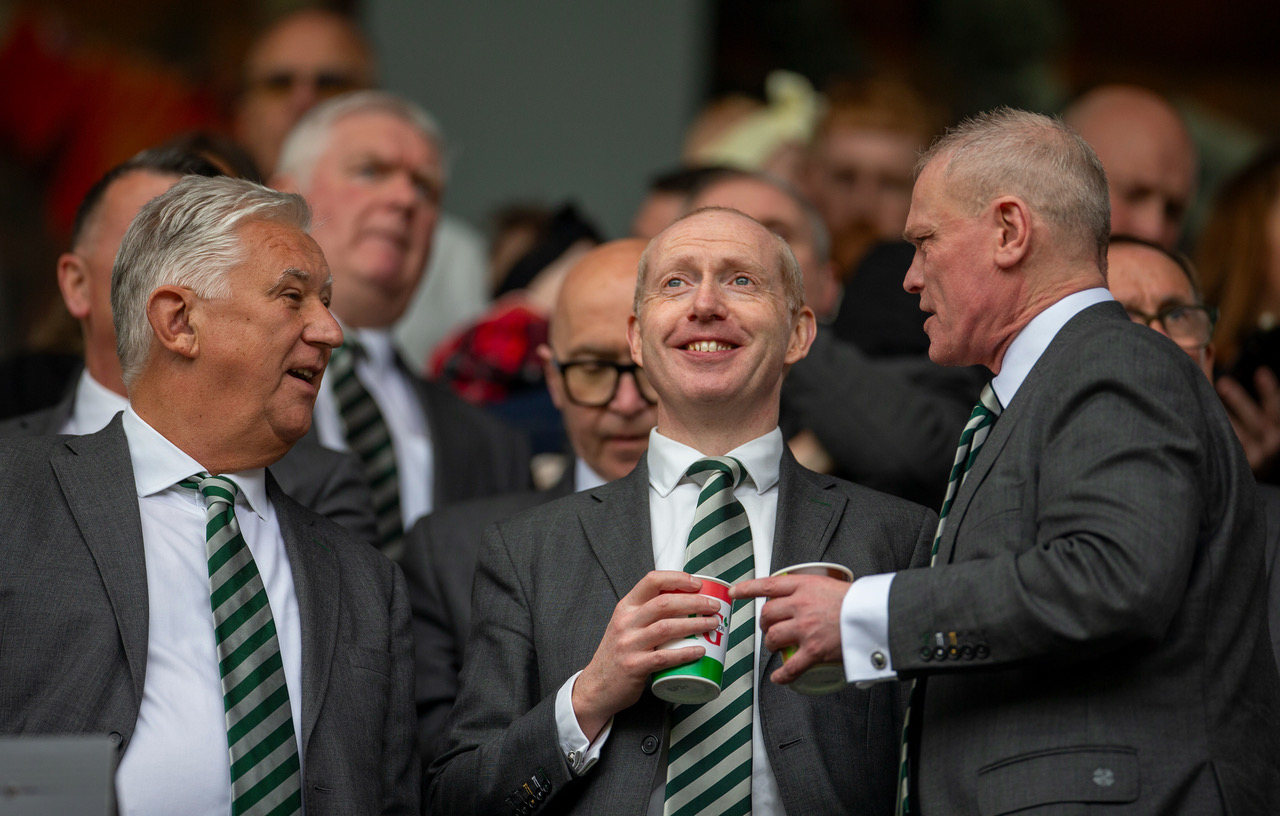
The Celtic Board. Celtic Champions 2025. Dundee United v Celtic, 26 April 2025. Photo Vagelis Georgariou (The Celtic Star).
Celtic’s leaders may talk of reviews, governance codes, and continuous improvement, but those words now land with diminishing effect. Accountability, to be real, must be visible. It must involve consequence, not just conversation. Until that happens, supporters will remain unconvinced that anything will truly change.
Because when a club makes the same mistakes over multiple seasons, with different managers but identical outcomes, the issue is not circumstance. It’s culture.
Niall J



Very well written piece…thank you…Cutting to the chase, I am of the opinion that KERCHING is the driving force behind just about everything the Board does…Decisions that help making money are backed up by decisions chosen not to lose money…It’s all they care about… I wish FAB all the best with their endeavours…but don’t hold out much hope.
Well written my eye! Niall J, you aee a disgrace!
Michael Nicholson DID NOT SAY THE CLUB ARE “WORLD CLASS IN EVERYTHING WE DO”
Yet it is your 100% inference! Why would you do this if not to cause more damage and harm? Why leave out the first, and MOST IMPORTANT PART OF THE SENTENCE?
“OUR AIM IS TO BE”, but instead, you wrote it as if it was, his complete statement!
People like you are a big part of the problem!
You are an embarrassment!