
An insightful, intelligent and comprehensive analysis of the Monday Night Meeting between senior Celtic Executives and the Celtic supporters representatives led by the recently formed Celtic Fans Collective…

Celtic Fans Collective, Founded September 2025.
This is an extended version of eight articles from Celtic writer Niall J that have appeared on The Celtic Star over the weekend. It’s hoped that by combining into one longer feature this will be widely shared across the Celtic support, so please help with that if you can.
The eight chapters each appear on a separate page and are titled as follows.
1. Monday Night Meeting – “World class in everything we do.” Really, Michael
2. Who is responsible when Celtic keeps making the same mistakes?
3. Modernisation and why Celtic should accept premise of the question
4. How Celtic engages with fans, or more accurately how it doesn’t
5. A credible Fan Advisory Board would mark a cultural shift at Celtic
6. Review of Non-Executive Directors request plus questions for Celtic AGM
7. Celtic’s culture of risk aversion, of comfort, of self satisfaction disguised as prudence
8. There’s a new kind of conversation between the club and Celtic Fans Collective
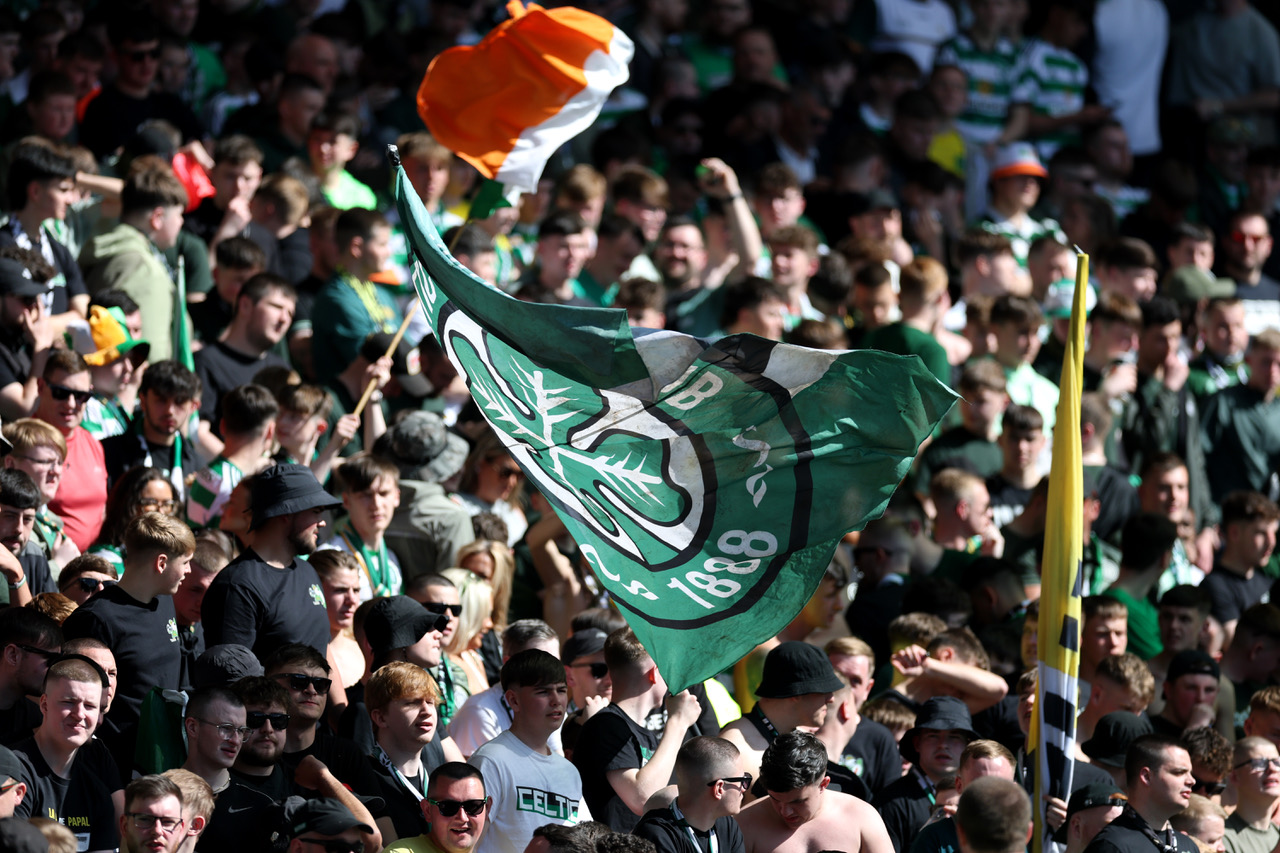
Celtic supporters shows their support at full-time following the victory in the Scottish Cup Semi Final match between St Johnstone and Celtic at Hampden Park on April 20, 2025. (Photo by Ian MacNicol/Getty Images)
If you’ve already read some of these article simply skip past the relevant page. Please leave your feedback in comments and also share if you can.
Let’s get started with Niall J’s first ‘chapter’…
Monday Night Meeting – “World class in everything we do.” Really, Michael?

Celtic v BSC Young Boys, view of Paradise from the sky. Photo Vagelis Georgariou
When Celtic CEO Michael Nicholson opened Monday’s meeting with representatives from across the fan base, he reached for a familiar line. Celtic, he said, aims to be “world class in everything we do.”
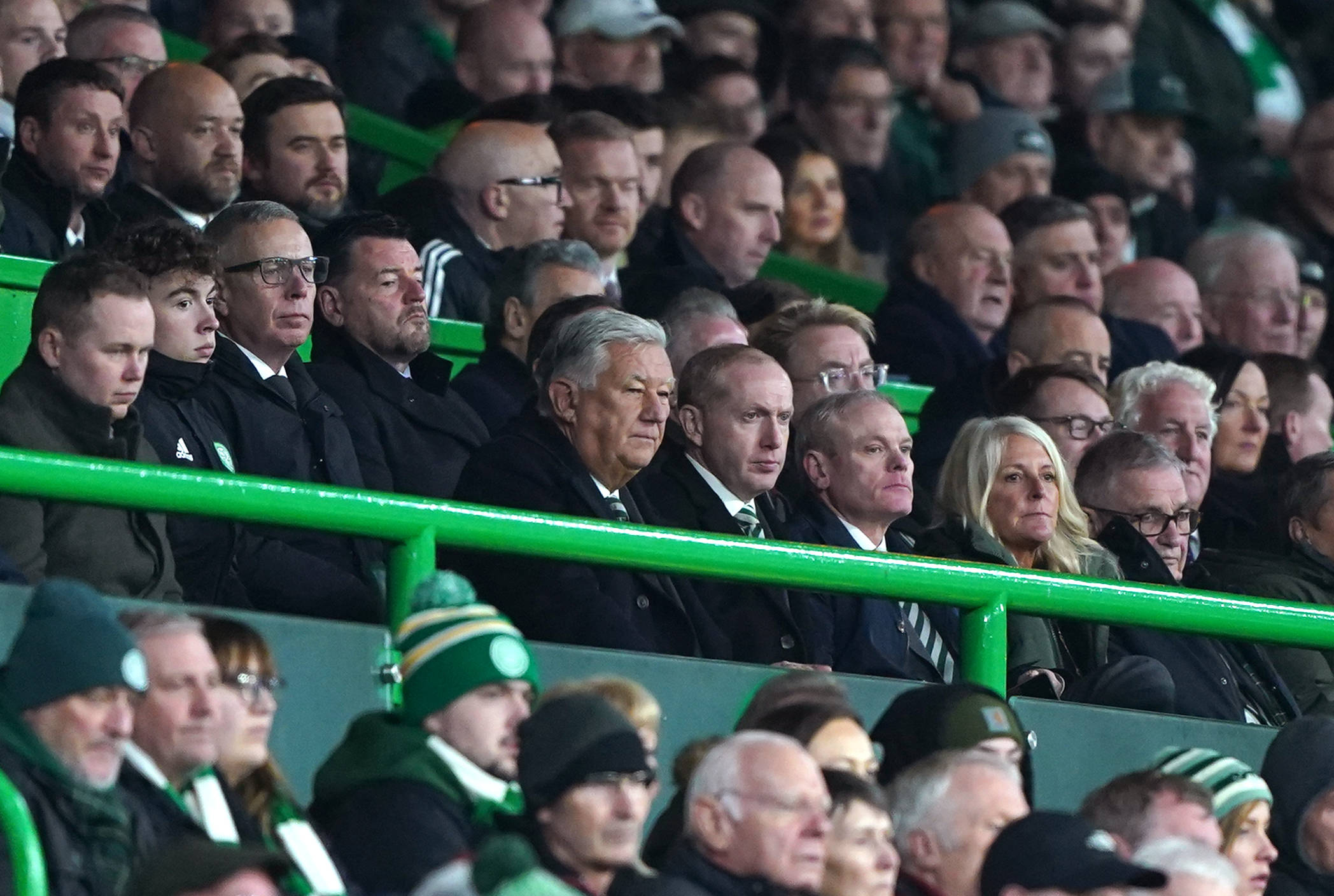
Celtic v St Mirren – Peter Lawwell and Michael Nicholson in the stands during the cinch Premiership match at Celtic Park, Wednesday November 1, 2023. Photo Andrew Milligan
It’s a phrase that has become something of a slogan under Nicholson’s leadership, polished, aspirational, and reassuringly corporate. But for many supporters, it feels increasingly disingenuous. Because for all the talk of world-class ambition, the evidence on the pitch and behind the scenes tells a very different story.
Nicholson outlined what he described as the pillars of the club’s long-term strategy, a self-sustaining model built around academy development, player trading, and investment in infrastructure, particularly Lennoxtown and the recently redeveloped Barrowfield site. On the surface, these are sensible priorities. Every club of Celtic’s size has to operate within its means, and facilities like Lennoxtown should, in theory, be the backbone of sustained success. The problem is not in the theory, it’s in the execution.
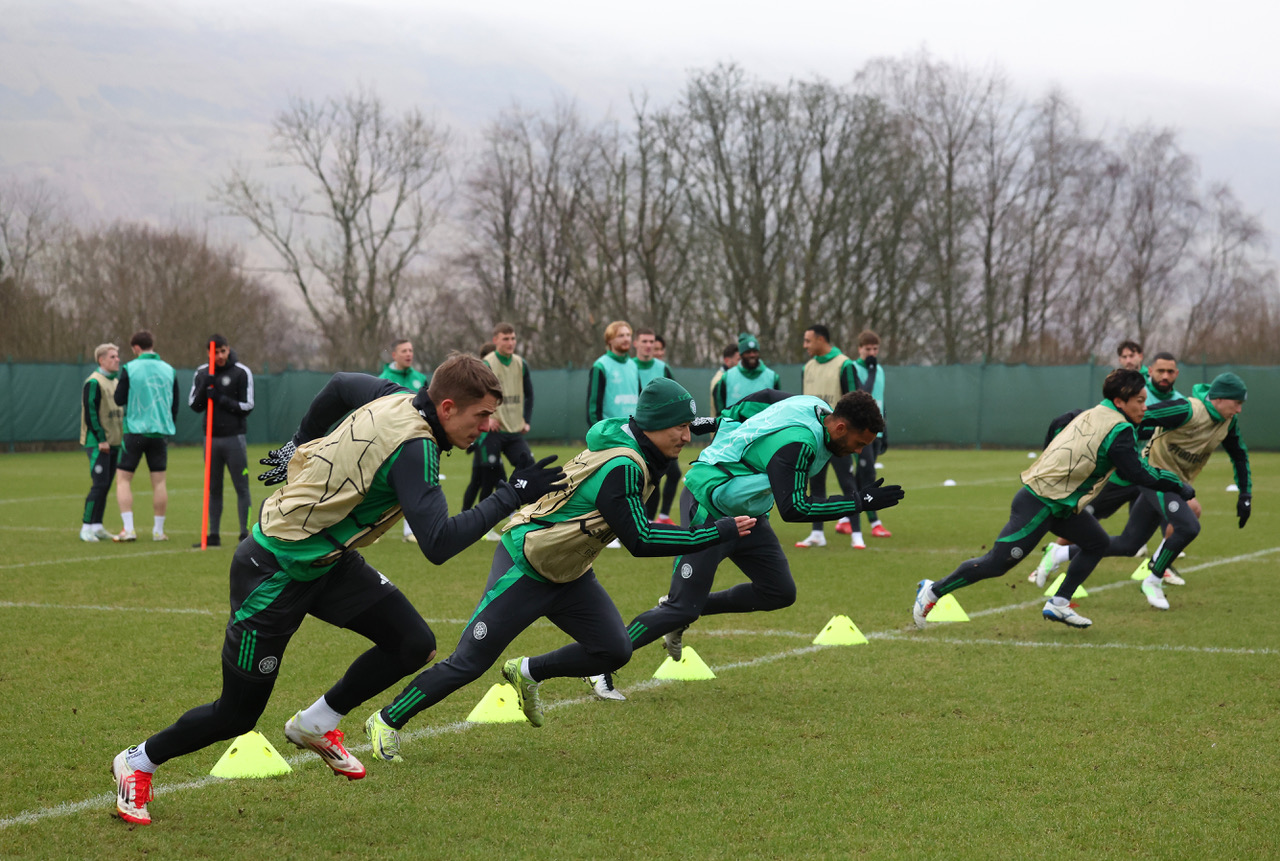
Celtic players during the UEFA Champions League Training at Lennoxtown Training on February 11, 2025. (Photo by Ian MacNicol/Getty Images)
The bricks and mortar of Lennoxtown and Barrowfield are often presented as proof of progress. Yet many within the support argue that these projects, while laudable, didn’t go far enough. The facilities themselves are only part of the equation, what matters is the people, the processes, and the performance culture within them. Celtic have invested in the buildings, but has the club built the human infrastructure required to make them truly elite?
The results suggest otherwise. The production line from the academy has all but dried up. If the goal is to develop players capable of competing at Champions League level, then Kieran Tierney, who made his debut in 2015, remains the last graduate to meet that standard. A decade without a comparable successor is not evidence of a thriving academy system. It’s a sign of stagnation.

Kieran Tierney of Celtic arrives at the stadium prior to the UEFA Champions League Play-offs Round First Leg match between Celtic and Kairat Almaty at Celtic Park on August 20, 2025. (Photo by Ian MacNicol/Getty Images)
The same applies to the so-called “player trading model.” The club often speaks of player trading as if it were a coherent strategy, when in truth it is little more than a by-product of occasional success. Trading implies structure, players developed or acquired at value, sold at the right time for maximum return, and replaced seamlessly by either an academy product or a pre-identified signing. That is what an actual player trading strategy looks like.
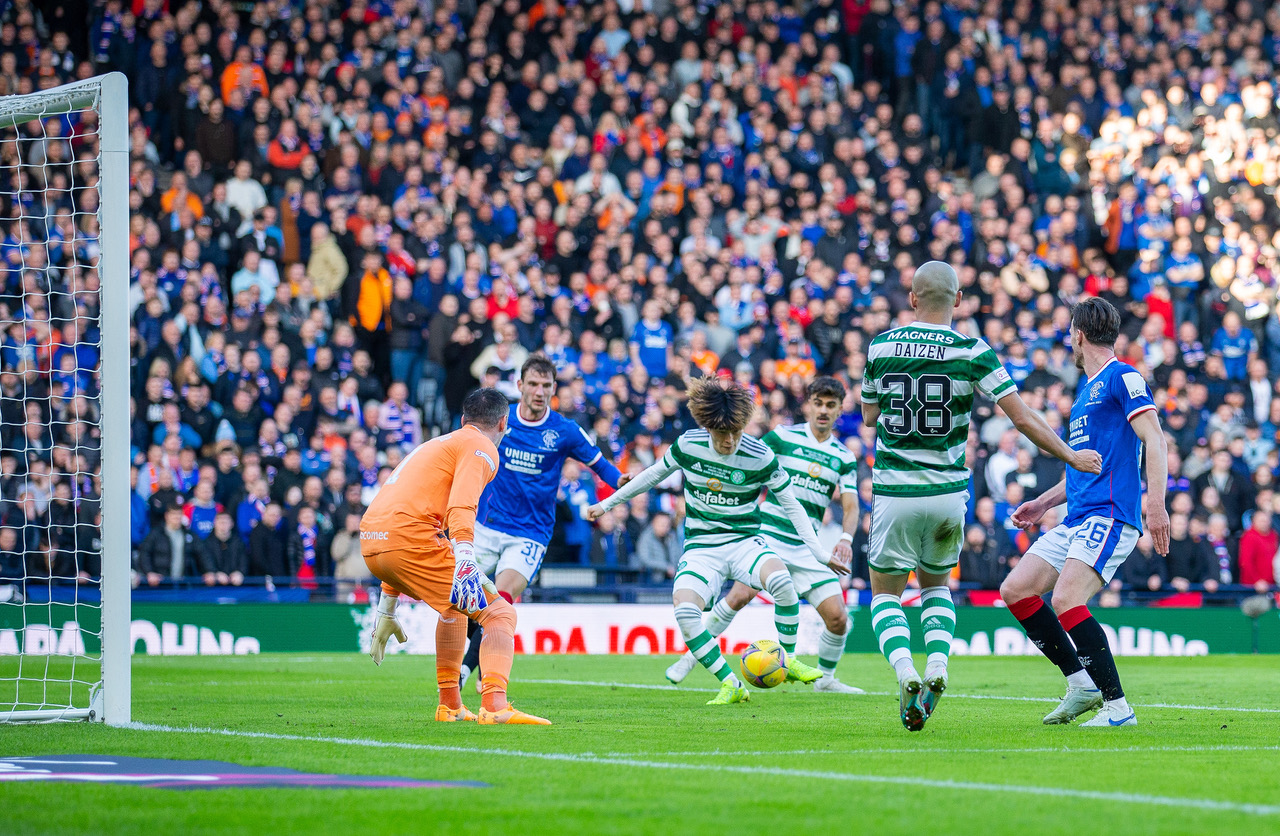
Photo Vagelis Georgariou
At Celtic, it feels far more opportunistic. Players are sold reactively rather than strategically, replacements are scrambled for late in the window, and the balance of the squad suffers as a result.
It’s hard to point to a single instance where Celtic have executed a sale and succession plan cleanly and deliberately. The repeated insistence that “the market is complex” has become a catch-all excuse rather than an explanation.
When pressed on this point, Nicholson and CFO Chris McKay said that transfers depend on multiple variables, player intent, negotiations, tax considerations, and the general unpredictability of the market. They also confirmed that an internal review of the summer 2025 transfer window is underway. But we’ve been here before.
In 2023, there was also a review. The results were never shared, and the same issues resurfaced. Without independence, transparency, or accountability, these reviews amount to little more than the club marking its own homework, and to a grading scale of its own design.
Supporters are not demanding miracles, we’re demanding competence, foresight, and honesty.
Celtic Fans Collective, Founded September 2025.
Perhaps the most striking disconnect between boardroom and fanbase lies in ambition. One fan representative at Monday’s meeting described Celtic’s current mentality as “Rangers plus one”. A phrase that captures the feeling that domestic dominance has become both the ceiling and the comfort zone. The club, in turn, pointed to league titles and Champions League participation as evidence that the model is working. But that word, “participation,” is telling.
Participation is not the same as competition. Celtic’s ambition, as articulated by the CEO, is to be present in the Champions League, not necessarily to make a meaningful impact within it. For a club of Celtic’s stature, one that sees itself as belonging on that stage, that is a damningly modest benchmark.
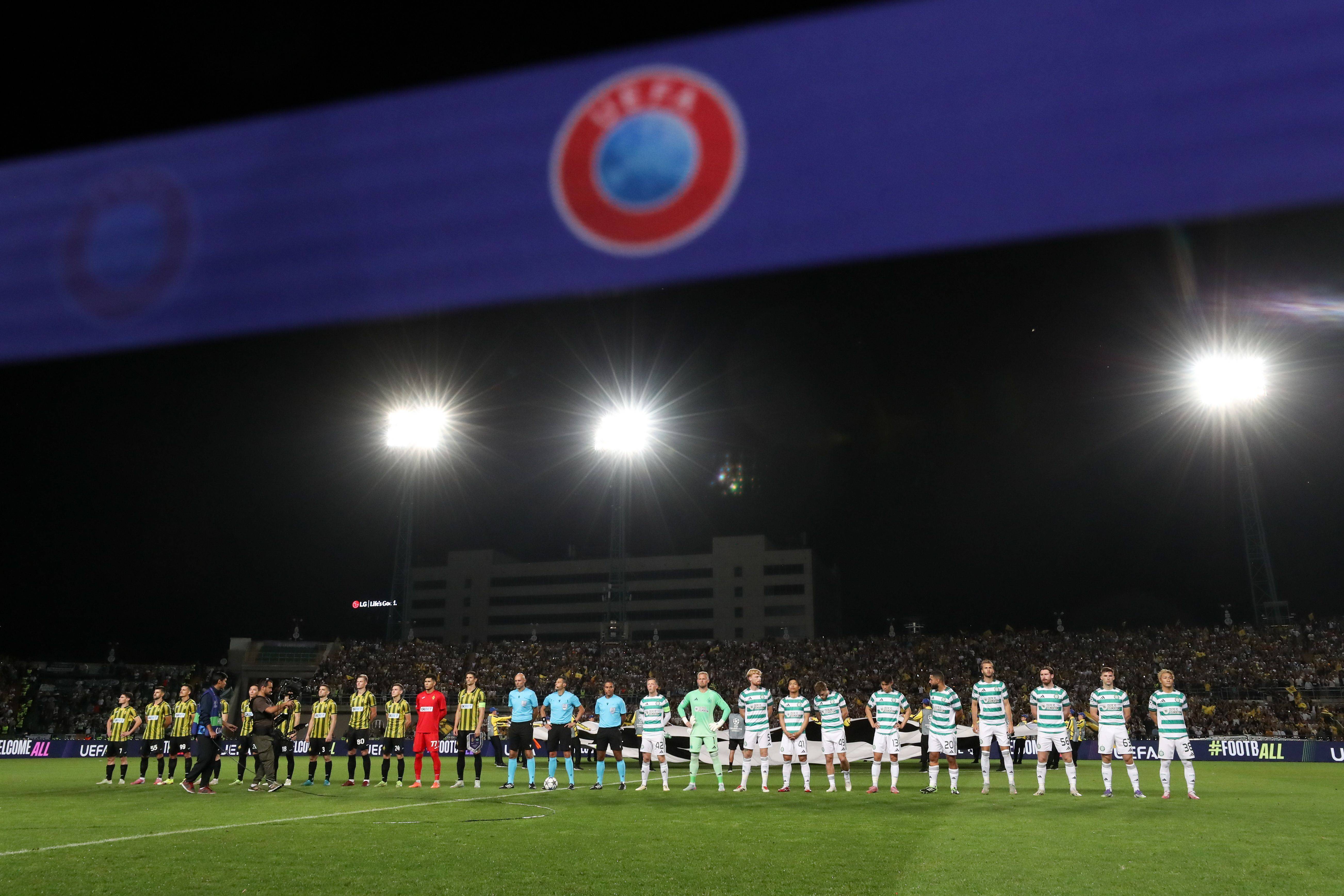
Celtic and Kairat Almaty line ups Kairat Almaty v Celtic, UEFA Champions League, Play-Off Round, Second Leg, Football, Almaty Central Stadium, Almaty, Kazakhstan – 26 August 2025. Photo Anikita Bassov Shutterstock
The record in Europe underscores the point. Five consecutive failures in Champions League qualifiers expose not bad luck but bad planning. And even in the seasons where Celtic have reached the group stage automatically, that has owed more to theRangers’ contributions to Scotland’s UEFA coefficient than Celtic’s own. If a club founded in 2012 is carrying the European weight that allows Celtic to qualify, that should be a cause for introspection, not complacency.
What supporters see, then, is not a grand strategic vision unfolding but a pattern of short-termism dressed up in strategic language. The club speaks of continuous improvement, but the outcomes are cyclical. Reviews are promised, findings are withheld, and the same structural weaknesses persist. Meanwhile, the distance between what the club says it wants to be and what it actually delivers grows wider with each passing season.
Celtic are, by almost any domestic measure, a successful club. We win trophies, we sell out stadiums, and we operate within our means. But none of that answers the central question, what does “world class” really mean to the people running Celtic Football Club? If it means doing just enough to stay ahead in Scotland, then perhaps the club can claim success. But if it means striving for genuine excellence, on the pitch, in recruitment, in player development, in governance, then Celtic remain a long way short.
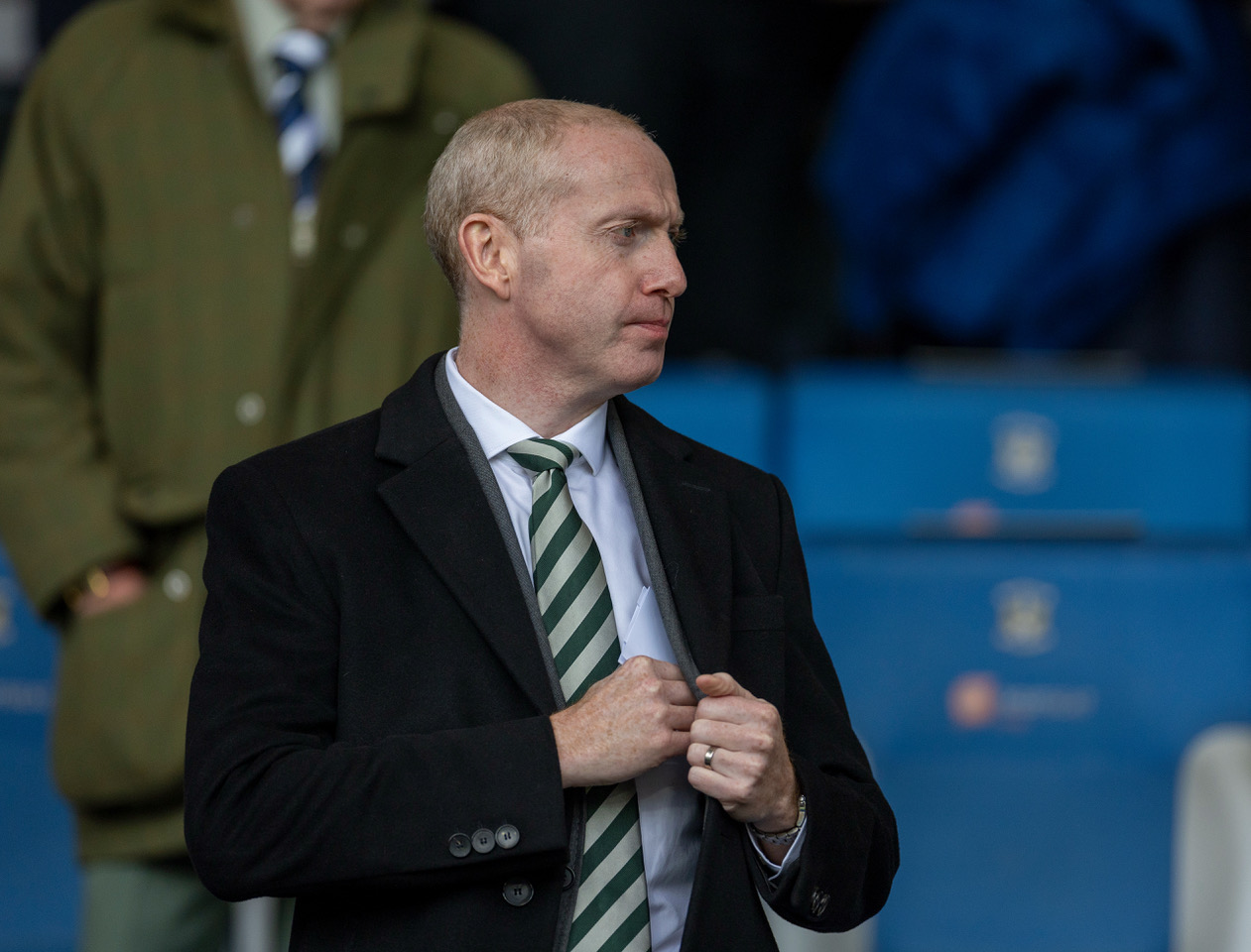
Celtic CEO Michael Nicholson at Rugby Park, Kilmarnock v Celtic, 14 September 2025. Photo Vagelis Georgariou (The Celtic Star)
As the meeting closed, Nicholson reiterated the desire to be “world class in everything we do.” It is a fine sentiment. The problem is that world-class organisations don’t just say it. They prove it. And right now, Celtic’s evidence base doesn’t come close to matching its rhetoric.
Niall J



Very well written piece…thank you…Cutting to the chase, I am of the opinion that KERCHING is the driving force behind just about everything the Board does…Decisions that help making money are backed up by decisions chosen not to lose money…It’s all they care about… I wish FAB all the best with their endeavours…but don’t hold out much hope.
Well written my eye! Niall J, you aee a disgrace!
Michael Nicholson DID NOT SAY THE CLUB ARE “WORLD CLASS IN EVERYTHING WE DO”
Yet it is your 100% inference! Why would you do this if not to cause more damage and harm? Why leave out the first, and MOST IMPORTANT PART OF THE SENTENCE?
“OUR AIM IS TO BE”, but instead, you wrote it as if it was, his complete statement!
People like you are a big part of the problem!
You are an embarrassment!