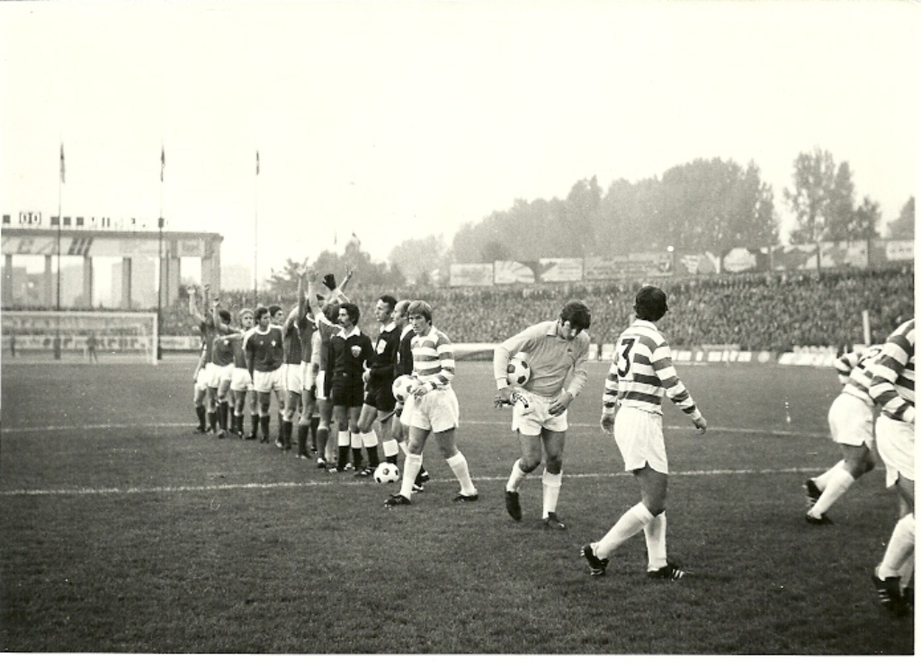
His sole European venture with Feyenoord was in the 76/77 UEFA Cup, which Coerver had won in 1974, beating Tottenham Hotspur in the Final. As Jock Stein’s continental push with Celtic was ending in Krakow, at the hands of Wisla’s Kmiecik, Boskov’s team was eliminating Sweden’s Djurgardens. A tremendous five-goal victory at De Kuip saw off Kaiserslautern in the next round, followed by home and away wins over Espanyol. However, in the Quarter-final, a goalless draw with RWD Molenbeek was punished by a second-leg defeat in Brussels, ending Dutch dreams of glory for that season.
In 1978, he took over the reins at Real Zaragoza. The Aragonese club, newly-promoted to La Liga, would finish just above the relegation zone, in fourteenth place. Nevertheless, his personal reputation does not seem to have been adversely affected, the next call coming from champions, Real Madrid. He would spend three seasons at the Santiago Bernabeu, the first one perhaps the most memorable.
Boskov’s side finished one point ahead of Real Sociedad to claim a third successive title. They then completed a Liga and Copa double in the most curious of circumstances, beating their reserve side, Castilla, 6-1 in the Final on their own ground!
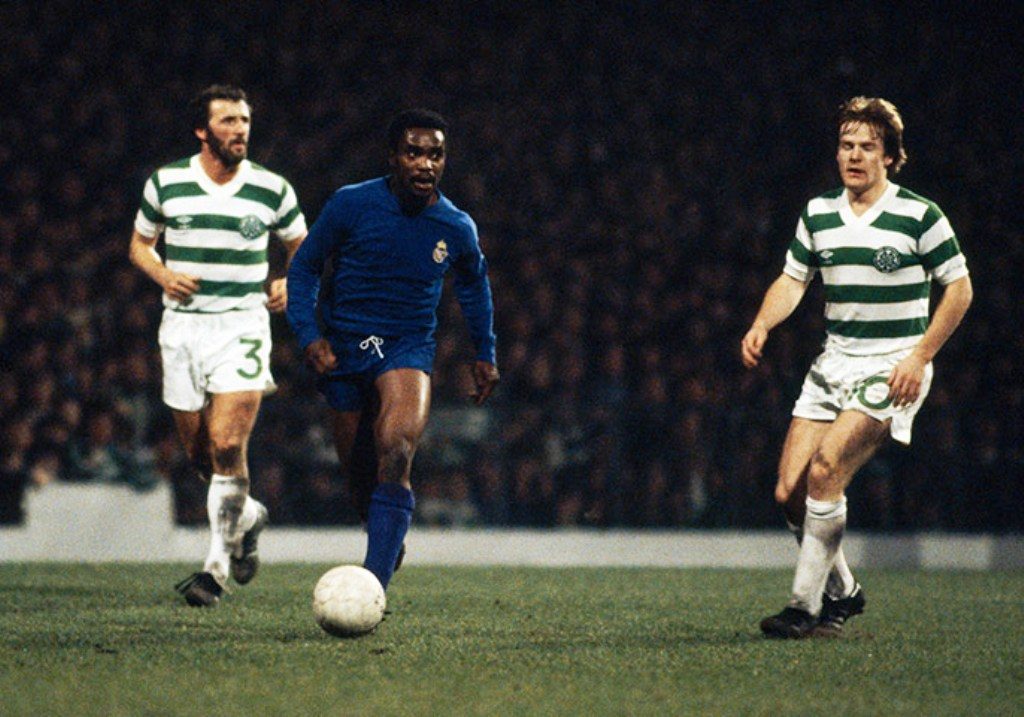
Real’s European Cup run had also started well, with wins over Levski Spartak and Porto, the latter on away goals. In the Quarter-final, they faced Billy McNeill’s young Celtic side, losing the first leg 2-0 in Glasgow. But the Spaniards were a different proposition in Madrid, in front of 110,000 baying fans. The star-studded Real, with Del Bosque, Juanito, Santillana, Stielike and the late Laurie Cunningham, found the three goals they required, to knock the Bhoys out.
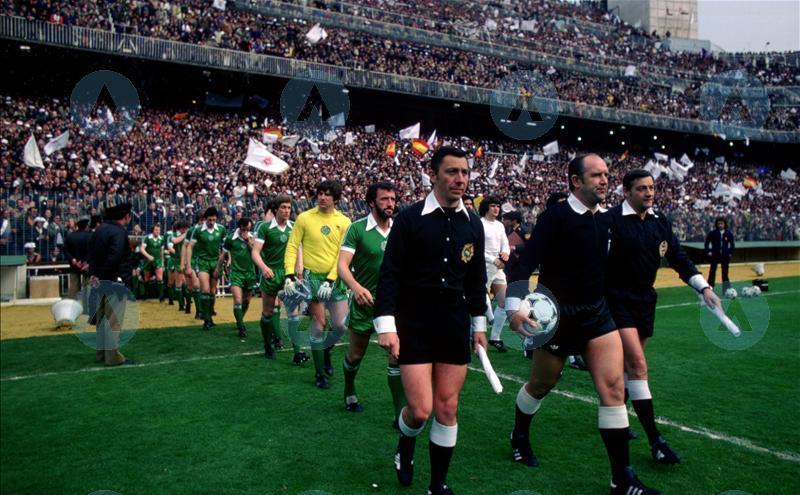
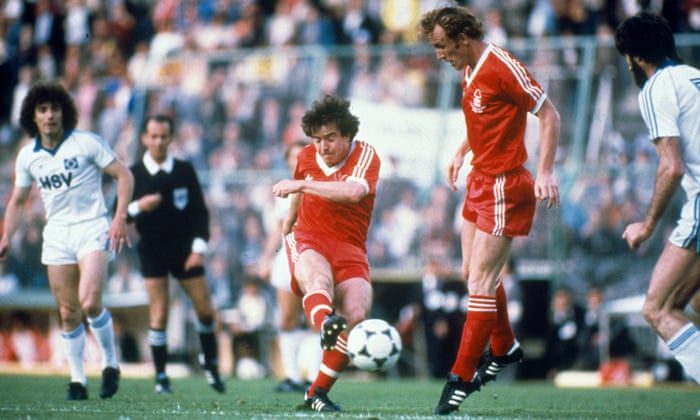
In the last four, they met Kevin Keegan’s SV Hamburg, a 2-0 win setting them up perfectly for a place in the Final, like that of the Copa del Rey, to be played at the Bernabeu. Sadly, for Boskov, the roof collapsed in the return, the Germans recording a thumping 5-1 win. In the Final, Hamburg faced the holders, Nottingham Forest, featuring future Celtic management duo, Martin O’Neill and John Robertson, the latter scoring the only goal to retain the famous trophy for Brian Clough’s side.
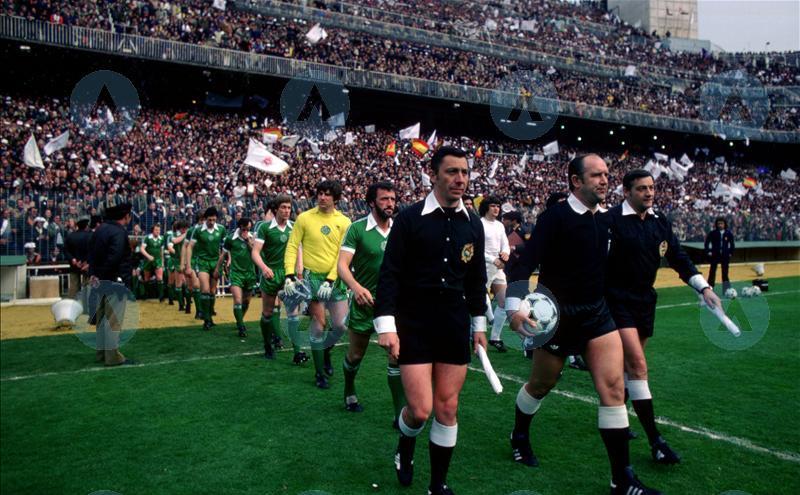
Shrugging aside that disappointment, Real had again qualified for the tournament which made their name, for the 1980/81 campaign, kicking it off at Dublin’s Lansdowne Road, against Irish champions, Limerick. Comfortable victories against the part-timers then Hungary’s Honved in the next round, set up a last-eight meeting with Russian title-holders, Spartak Moscow. The only goals of the tie were both scored by Isidro, in the second half in Madrid, paving the way for a Semi-final with old rivals Inter Milan. Despite a single-goal defeat in the San Siro, goals from Santillana and Juanito in the home first leg allowed the Spaniards to narrowly progress to a ninth European Cup Final.
Standing in their way in Paris would be Bob Paisley’s Liverpool, conquerors of Aberdeen and FC Bayern and aiming to keep the cup in England for a fifth successive year. The only goal of the game came from an unlikely source, full-back Alan Kennedy cutting in from the left to fire home with just eight minutes remaining, Paisley thus becoming the first manager to win the European Cup three times.
As Boskov had been unable to secure a fourth consecutive Liga title in 1981, losing on a head-to-head with maiden champions, Real Sociedad, despite a better goal difference, it was the UEFA Cup next for Madrid. It was hardly an auspicious start for the Spanish giants, an ‘away goals’ victory over Tatabanya of Hungary followed by narrow wins over East German outfit, Carl Zeiss Jena then Rapid Vienna. The run ended in Kaiserslautern, in the Quarter-final, the Germans overturning a 3-1 deficit to hit Real for five without reply, the Spanish having three players dismissed on a sorry night. Buskov would pay for that result immediately, with his job, leaving the Bernabeu in March 1982.