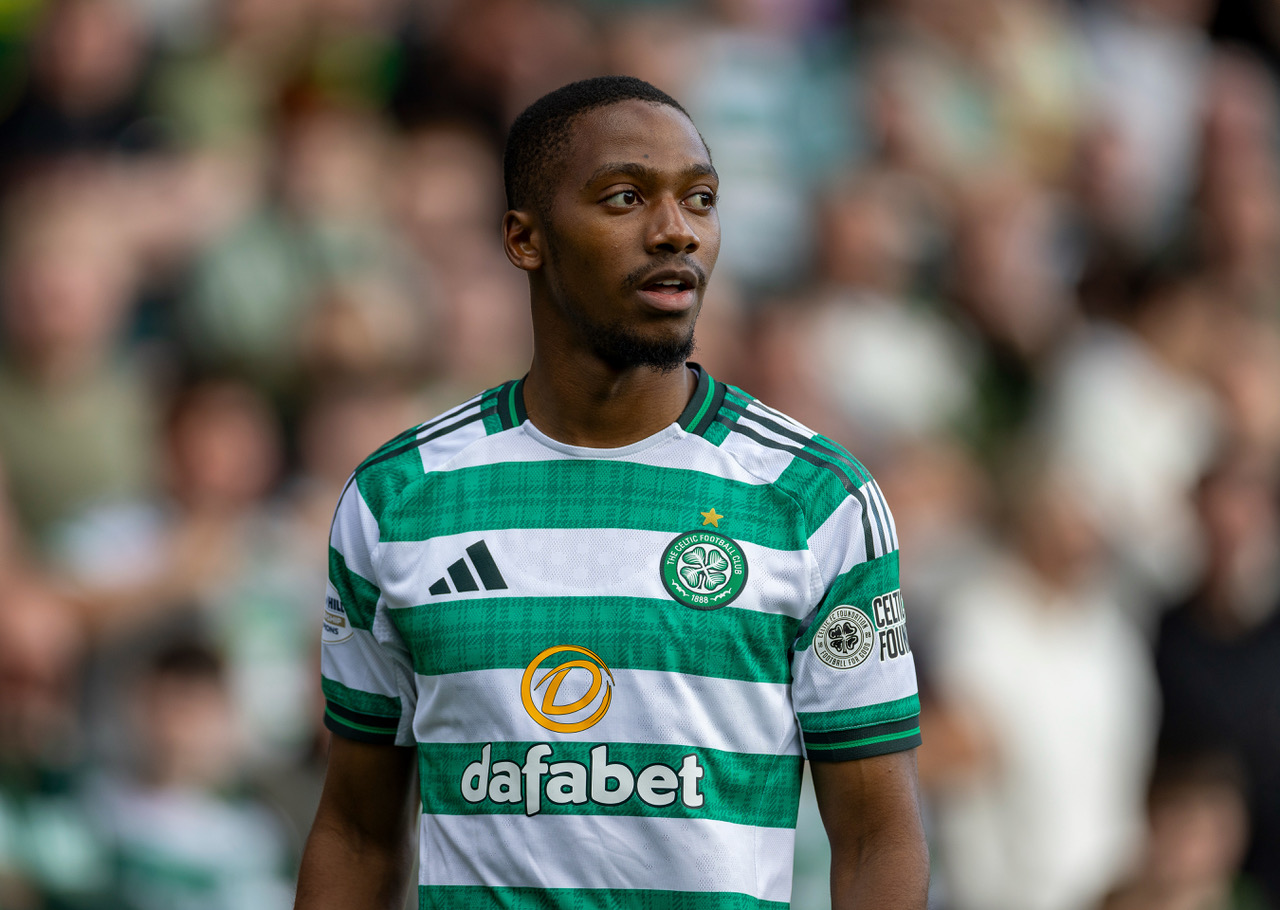
Philippe Montanier, the coach who helped guide Ousmane Dembélé from promising youngster to Ballon d’Or winner, also coached Michel-Ange Balikwisha at Rennes, giving him a unique perspective on the Celtic winger’s potential…
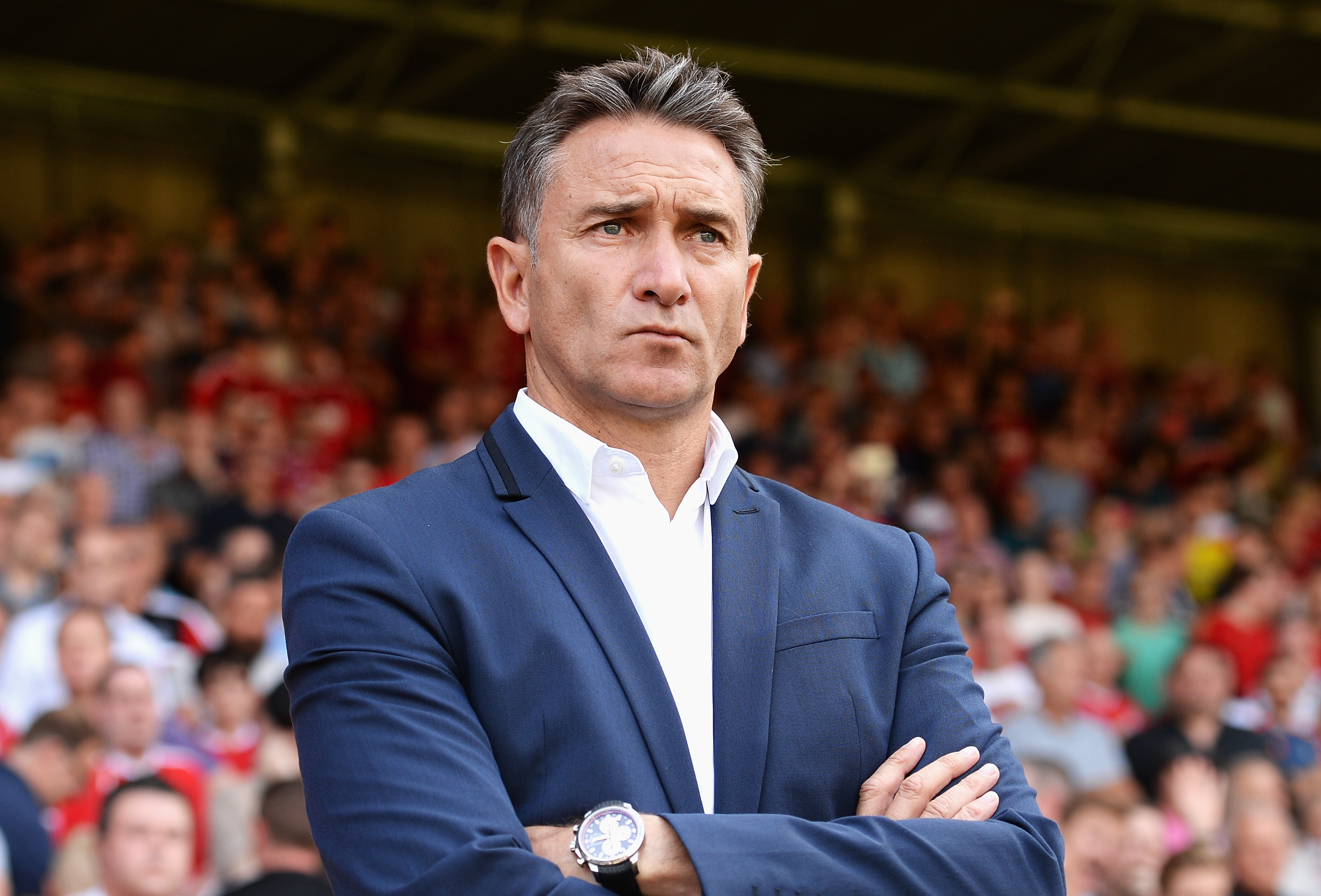
Manager of Nottingham Forest, Philippe Montanier looks on during the Championship match between Nottingham Forest and Burton Albion at City Ground on August 6, 2016. (Photo by Tony Marshall/Getty Images)
“Mickey is good technically and has the capacity to play different roles. He can play left or right, and I also used him as a central striker quite a lot when I coached him,”said Montanier, as reported by Scottish Sun.
“Mickey was good in that position because he also has the intelligence to drop deeper and play behind a No 9. He has a high IQ when it comes to football, and people always asked what his best position was.”
Montanier’s experience working with Balikwisha perhaps highlights why Celtic pursued him so persistently over the past year. The coach witnessed firsthand the player’s tactical intelligence, adaptability, and technical ability, qualities that are now beginning to emerge at Celtic.
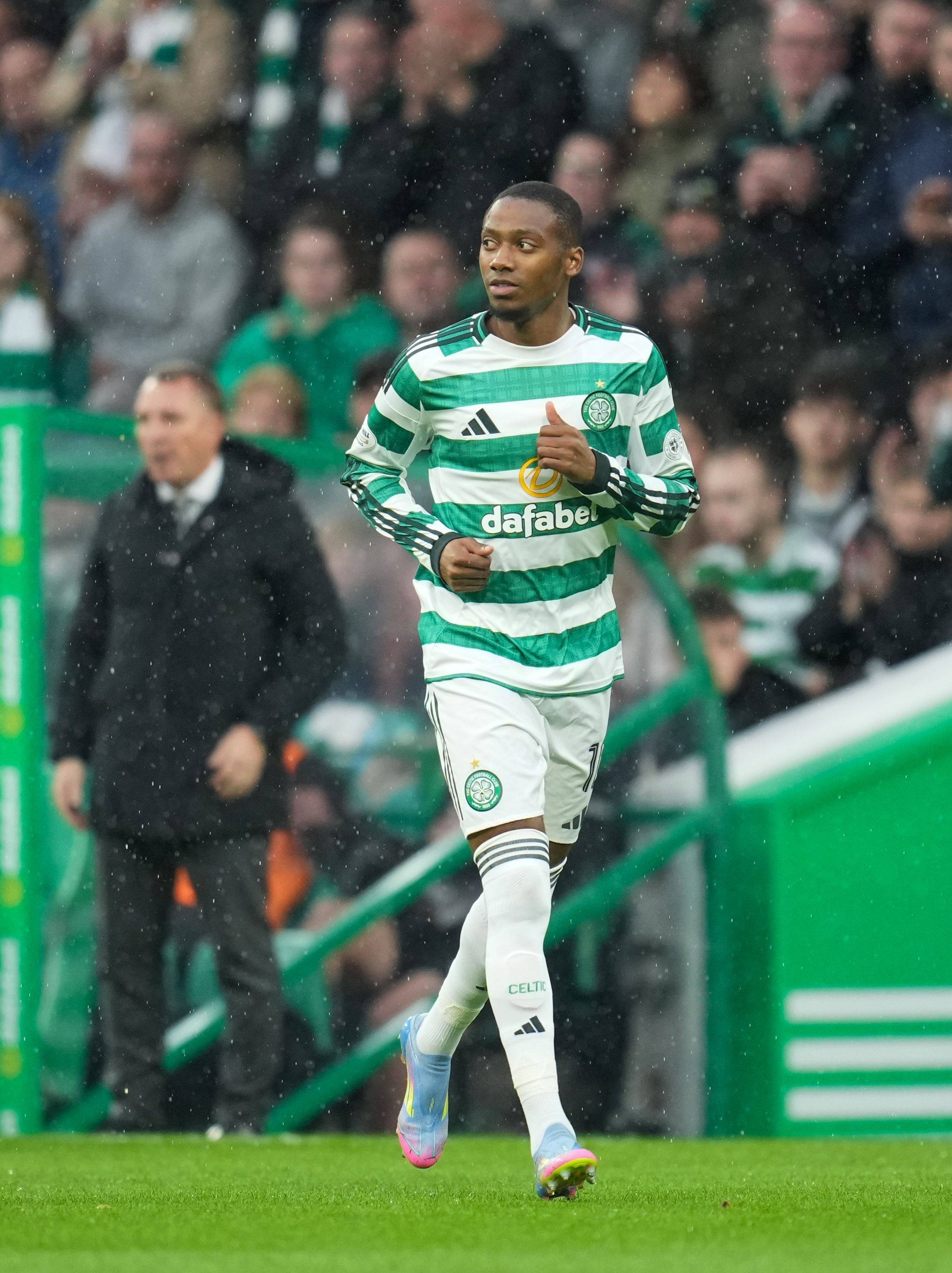
Michel-Ange Balikwisha of Celtic Celtic v Hibernian, Scottish Premiership, Celtic Park, 27 September 2025. Photo Stuart Wallace IMAGO/Shutterstock
“That can be a problem with versatile attacking players. They can help in various roles and they ended up playing all across the front line,” he explained.
Despite that, the former Rennes boss believes Balikwisha’s best position could ultimately be through the middle.
“Personally, I like Mickey as a No 9 where he can score goals and press from the central area, a little like Ousmane Dembélé,” Montanier continued. “I coached him at Rennes when he started out, and he then went on to play a lot as a winger for different clubs. However, I felt Ousmane always had the qualities to be a central attacker and he is showing that at PSG now.
“Mickey’s best position could also be through the middle because he has the pace, workrate and the intelligence to link the play. It depends on what the Celtic manager’s philosophy and game plan is, but he can definitely be successful in that role.”
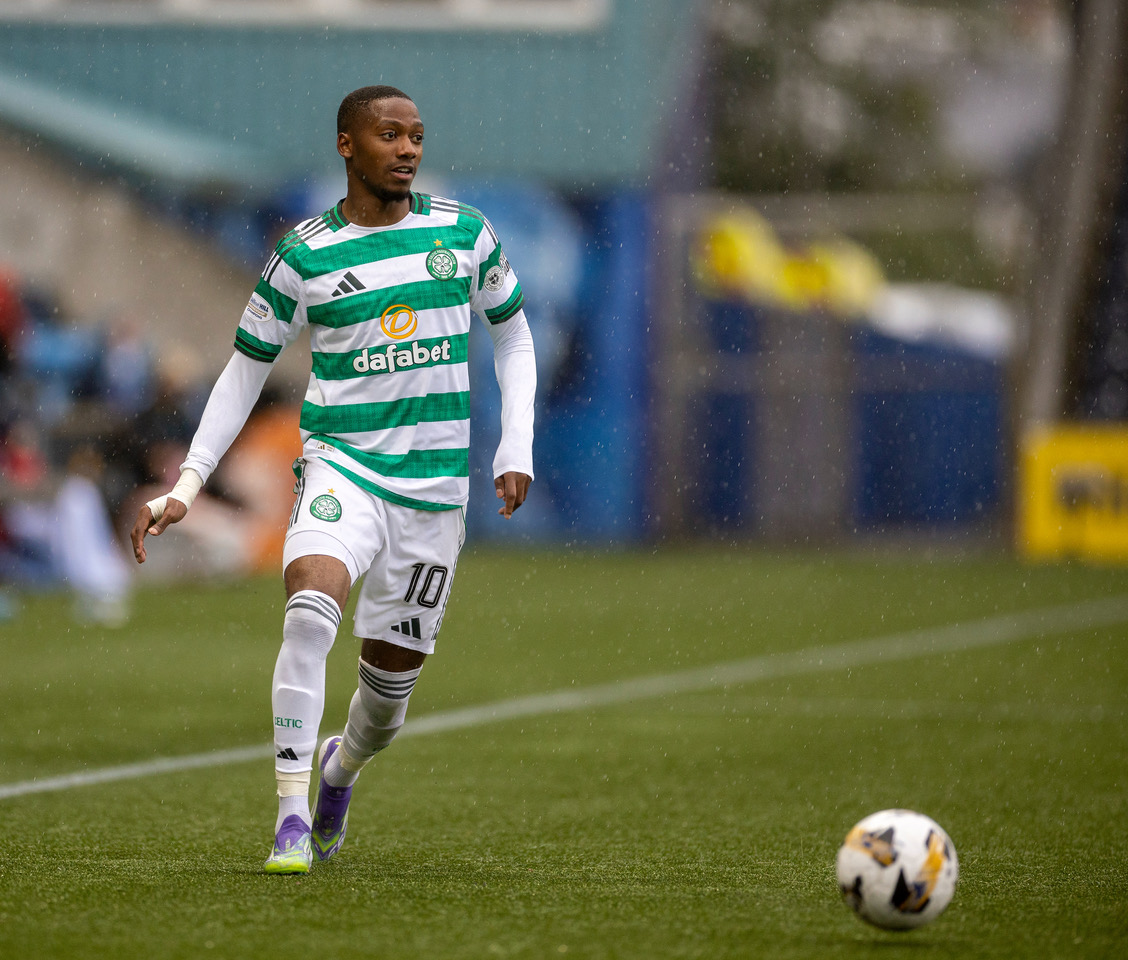
Michel-Ange Balikwisha at Rugby Park, Kilmarnock v Celtic, 14 September 2025. Photo Vagelis Georgariou (The Celtic Star)
Balikwisha has faced a bit of scrutiny since arriving in Glasgow, especially given the fast start made by his competition for the left-wing spot, Seb Tounekti. But that comparison may be unfair, Celtic’s history is full of players who took time to settle before flourishing, while others hit the ground running.
What makes Balikwisha particularly intriguing is the tactical flexibility he offers. His ability to play across the front line, and potentially operate centrally, fits neatly into Celtic’s apparent recruitment focus on wide players who can invert. On the opposite flank, Benjamin Nygren, perhaps, provides a similar profile.
That leads to a wider question about how Celtic’s evolving full-back situation might be shaping the attacking structure Brendan Rodgers may have been looking to implement. With Kieran Tierney still working his way back to full speed after joining the club, his delayed integration could be impacting the rhythm and chemistry of those ahead of him. Meanwhile, Alistair Johnston’s injury against Kairat may have disrupted possible plans for Nygren to feature as an inverted right winger.
On the left, Seb Tounekti and Marcelo Saracchi have already developed a lively, if sometimes chaotic, understanding, offering an alternative partnership to the potential Tierney–Balikwisha partnership. Their energy and unpredictability could make them valuable tactical options as the season unfolds.
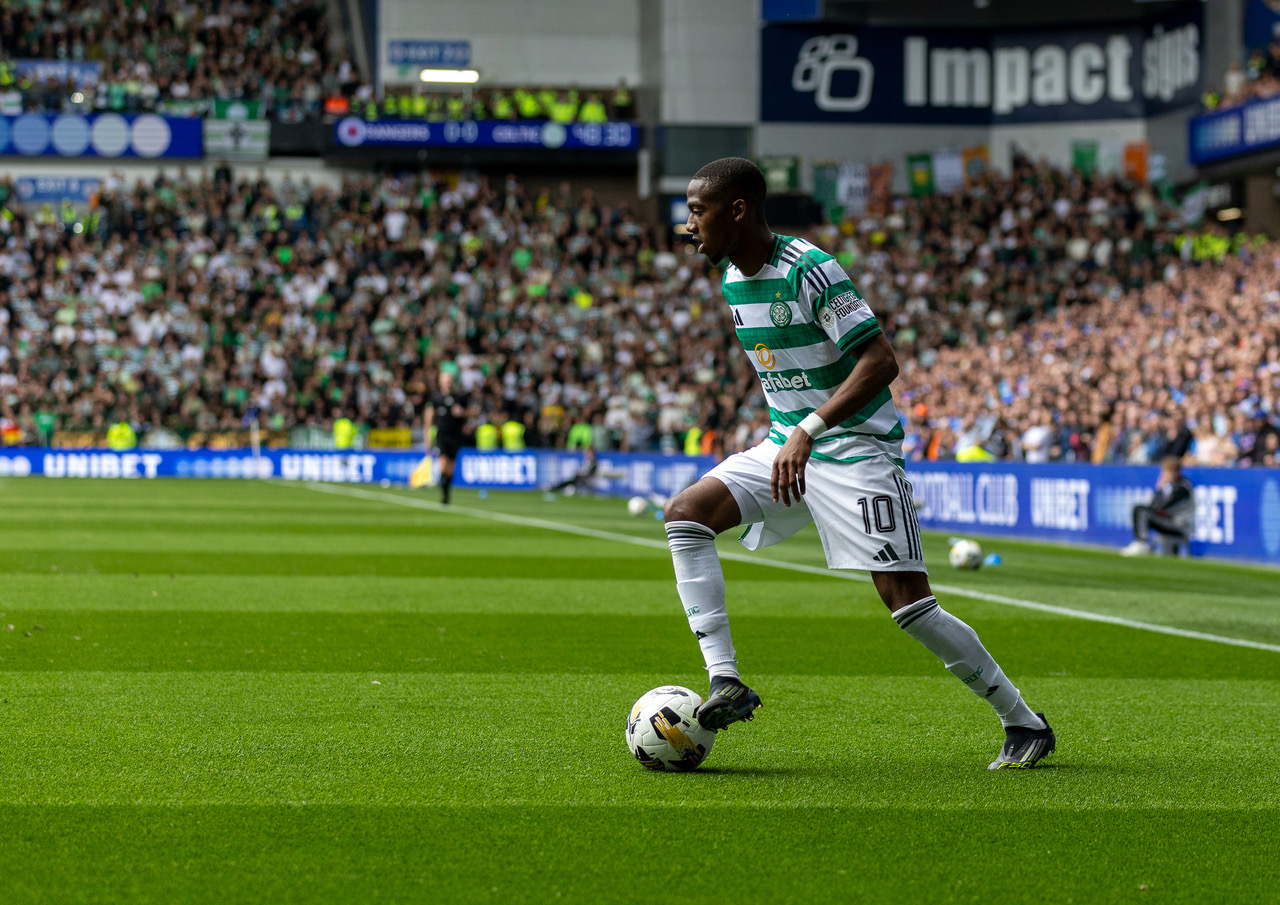
Michel-Ange Balikwisha. theRangers v Celtic, 31 August 2025. Photo Vagelis Georgariou (The Celtic Star)
Looking ahead, this international break might offer Celtic an opportunity to add a new tactical option to their armoury, namely, a three-at-the-back system. The 2-0 Europa League defeat to Braga offered a glimpse of this approach, with the second-half performance hinting at potential defensive variance and flexibility going forward.
In such a system, Callum McGregor and Paulo Bernardo could operate as the base of a central box midfield, while more attacking central positions could see rotation between Nygren, Hatate, McCowan, and Balikwisha. Up front, a solo striker role might be shared between Kel Iheanacho and Daizen.
Wing-back rotations could also be tailored depending on the desired mindset, Marcelo and Tierney on the left, Johnston and Arne Engels (or Forrest) on the right, adjusting the balance between defensive cover and attacking width depending on the opposition.
Of course, the fact that 11 players are away on international duty could limit the feasibility of such experimentation. Yet, given that Celtic’s wide players seem increasingly comfortable inverting, and that Nygren and Balikwisha are capable of playing in central areas, there is arguably a missed opportunity if the team doesn’t explore this formation while the break offers a low-stakes testing ground.
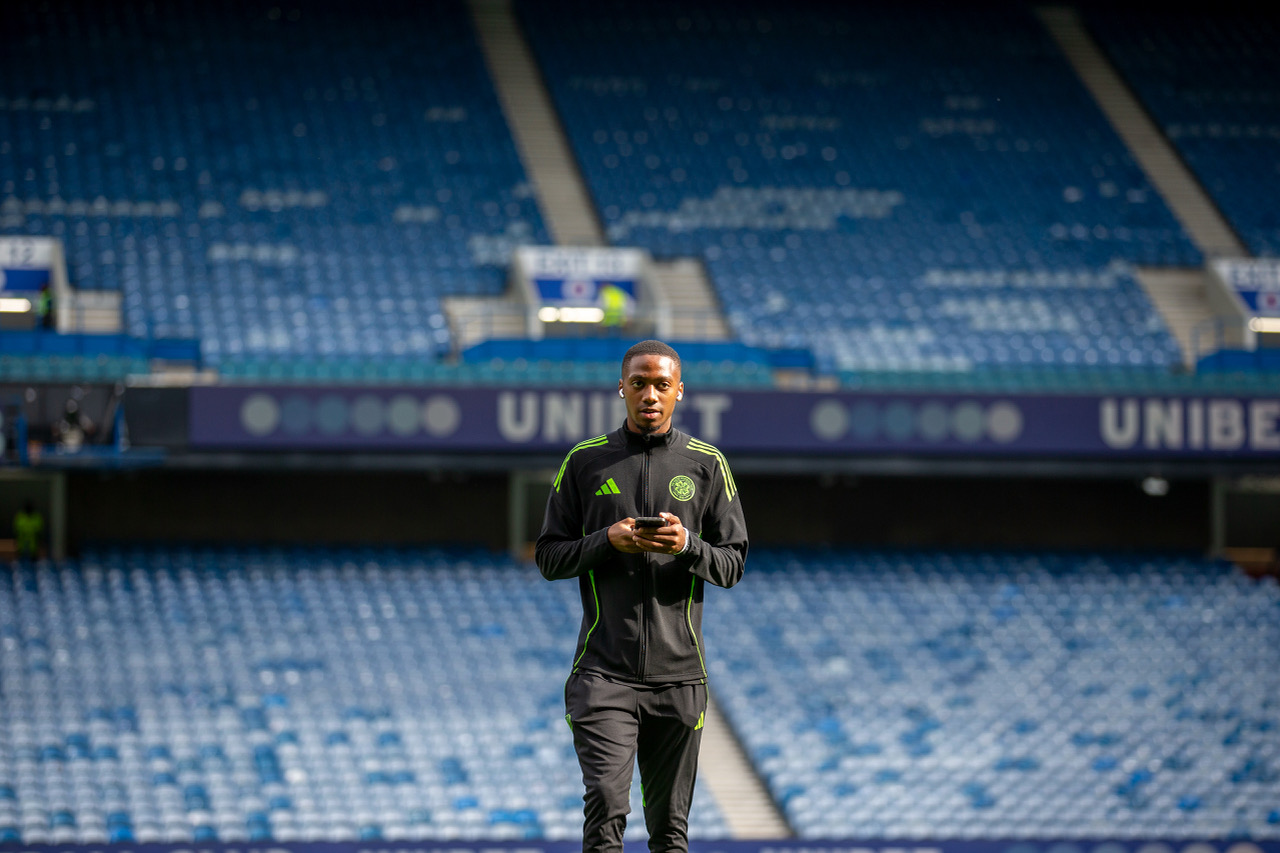
Michel–Ange Balikwisha ahead of kick-off. theRangers v Celtic, 31 August 2025. Photo Vagelis Georgariou (The Celtic Star)
In essence, Montanier’s insight into Balikwisha, combined with Celtic’s current squad composition, particularly the worrying gap at right wing, suggests the club may have the ingredients to develop a new tactical option that maximises both versatility and attacking threat, if the manager is willing and has the numbers, to experiment in the time the international window offers.
Niall J

Readers of The Celtic Star and indeed all Celtic supporters joining the Celtic Pools Weekly Lottery and paying by direct debit will be able to claim a free stadium tour worth £18.50. This promotion will run from now until the 20th October 2025. Click on image to join.