
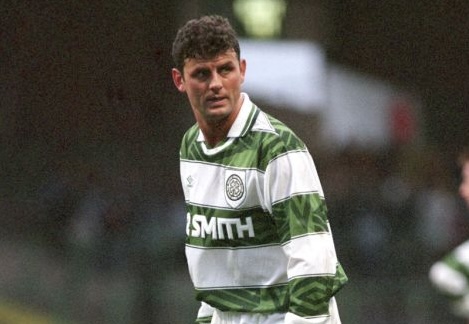
The name Wayne Biggins is enough to give Celtic supporters of a certain age a severe case of PTSD. It wasn’t a case of wrong time, right place, it was just the wrong signing…
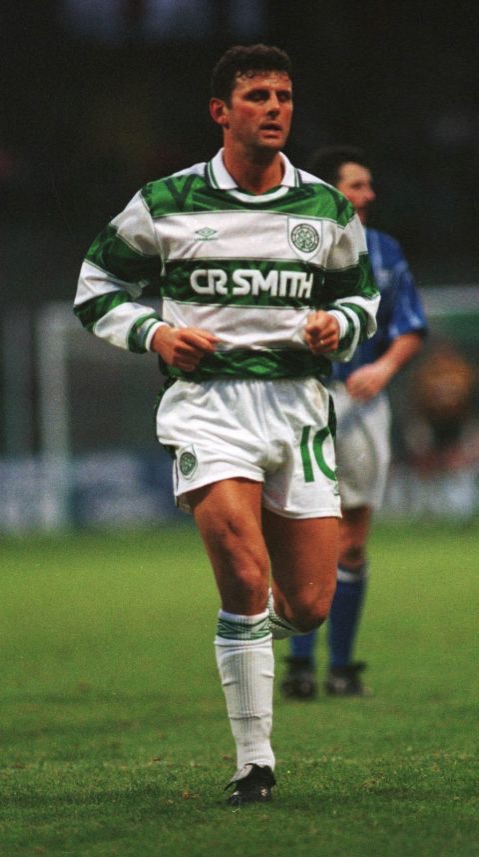
Wayne Biggins, photo The Celtic Wiki
Wayne was signed by Lou Macari in 1994 from English second tier side Barnsley for £100,000, plus a swap deal that would see a favourite among the Celtic support in Andy Payton head the opposite direction.
Macari knew Wayne well from his time at Stoke City, and it was a successful period at that, with the player providing the goals that fired The Potters to the play offs as well as the football league trophy.
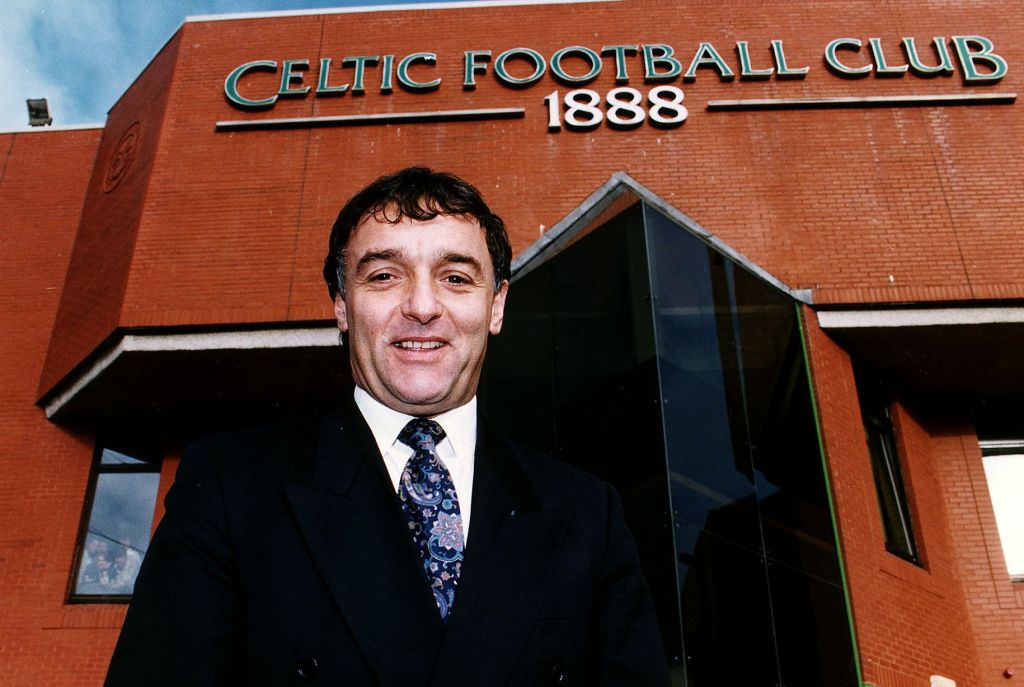
Lou Macari
His spell in the red and white of Stoke City was the most successful in his career, amassing an impressive 55 goals in 148 games, with most of efforts coming in the second and third tiers of the English football pyramid.
Biggins would move up a division joining second tier Barnsley not long into the 1992/93 campaign, going on to score 16 goals in 51 games for the Tykes, before his old mentor Macari provided him with the dream opportunity of signing for Glasgow Celtic back in late November 1993.
Biggins unsurprising jumped at the chance to head north, even with the side in a period of disarray, due to the off field politics that plagued the club.
Biggins had played in the English top flight with Norwich City, scoring nine goals. He also represented Manchester City, a big club who were competing in the second tier at the time, and still a big club in the eyes of some. But Celtic were by far the biggest club he would list on his CV.
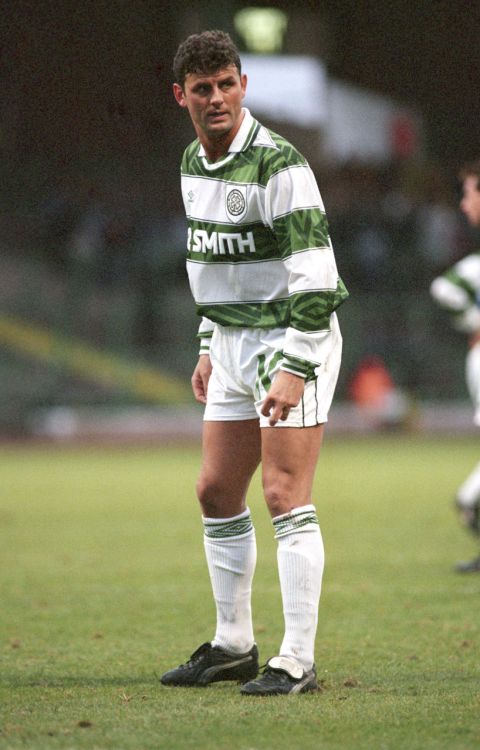
Wayne Biggins. Photo The Celtic Wiki
Biggins was on a hiding to nothing having arrived at a time when the supporters were demonstrating against those who were running the club, and our league position wasn’t pretty. We were also so far behind Rangers on and off the park it was scary. Even Aberdeen and Motherwell were more of a threat to the Ibrox side than ourselves.
Wayne was something of a career journeyman, and lower league English football was his level. He didn’t have the quality or more importantly mental strength to represent a club as big as Celtic, no matter how far we had fallen.
Wayne’s time in Glasgow lasted just a short few months, four to be exact and has soon on his way back down south in March 1994 joining former club Stoke City for a fee of £125,000.
In total Wayne Biggins made a total of 10 appearances and didn’t register a solitary goal. A truly underwhelming signing, one that was typical of that very era.
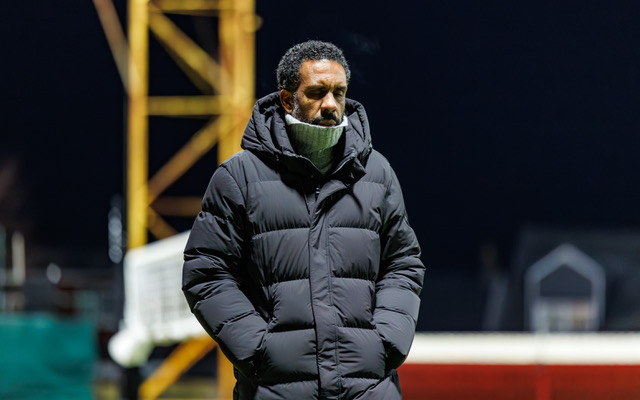
Manager Celtic Wilfried Nancy of Celtic looks on after Celtic’s loss in the Premier League match between Motherwell and Celtic at Fir Park on December 30, 2025 in Motherwell, Scotland. (Photo by WM Sport Media/Getty Images)
Lou Macari was generally regarded as Celtic’s worst ever manager but was relived of that unwanted accolade this season thanks to Michael Nicholson’s outstanding candidate to replace an elite manager in Brendan Rodgers with…Wilfried Nancy.
Just an Ordinary Bhoy

Celtic in the Thirties by Matt Corr. Click on image to order





Remember at the same time goalkeeping legend, “there’s only one Carl Muggleton”, a would be chant that McGonagle could have claimed as his own.
Surely one of Celtics worst ever signings.hh