In an earlier article today, we explored the emergence of Paul Tisdale as the quiet but unmistakable force shaping Celtic’s next direction…
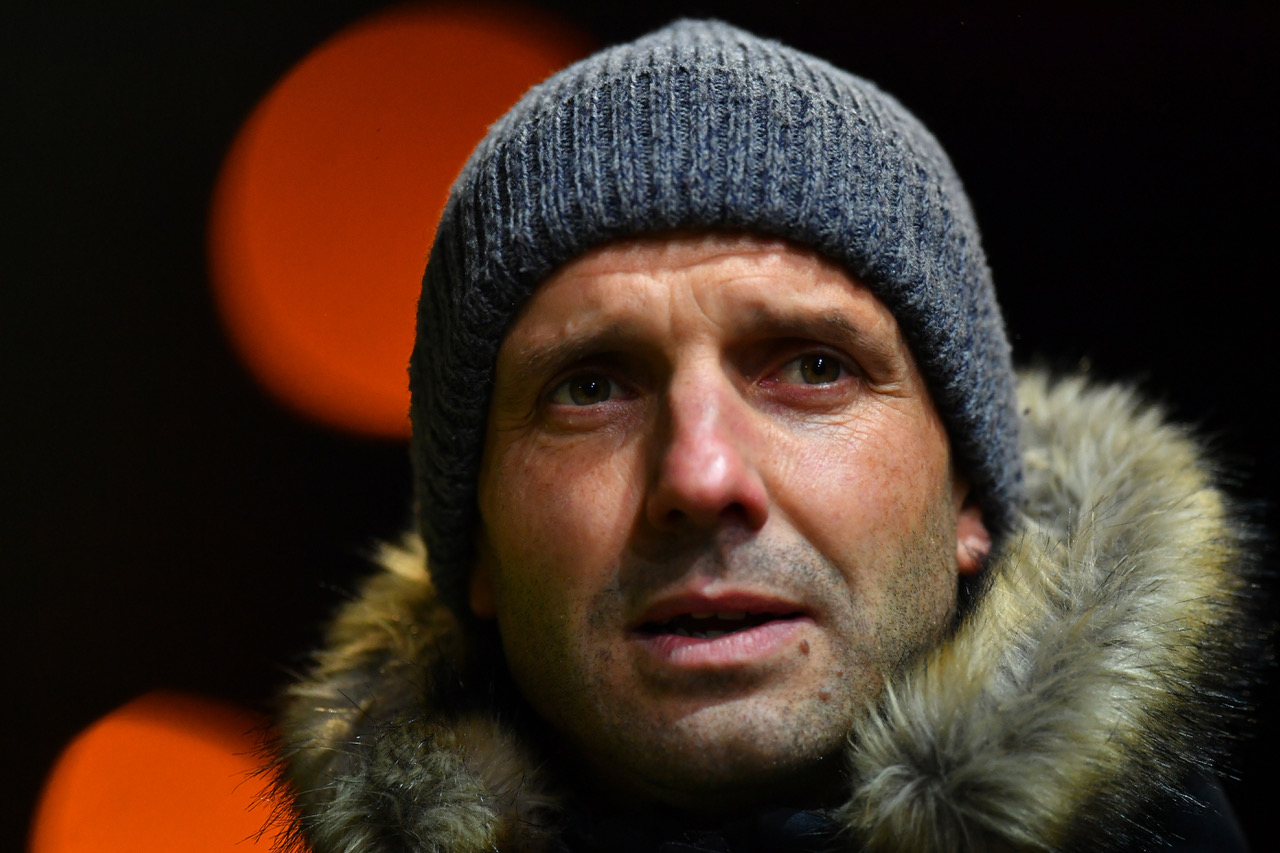
Paul Tisdale, manager of Exeter City prior to the Emirates FA Cup Second Round Replay between Exeter City and Forest Green at St James Park on December 12, 2017. (Photo by Dan Mullan/Getty Images)
We considered the possibility that he has identified Wilfried Nancy as the manager built to deliver his footballing vision, along with the promise and risk of elevating a man who has never worked at a club of Celtic’s scale.
But if Tisdale is truly the architect of this shift — if Celtic have decided that his philosophy will define not just the next season but the next era — then the question becomes sharper. Is he ready for a role that demands Champions League ambition as standard? And just as importantly, is Celtic ready to back him?
Because if Celtic genuinely believe in Tisdale, they cannot hide him. They cannot rely on rumours while asking him to reshape the club behind closed doors. They must empower him, support him, and allow him to articulate the vision he is supposedly here to build. At a moment of supporter unrest, the simplest and most effective win available to the board is communication, a clear “football first” strategy presented by the person shaping it.
That leads naturally to the central theme, intelligence. Football’s competitive edge no longer comes from instinct alone, nor from data alone, but from the merging of both. And if Tisdale is to lead Celtic into that world, the club must build the environment, authority and structure required to sustain his ideas.
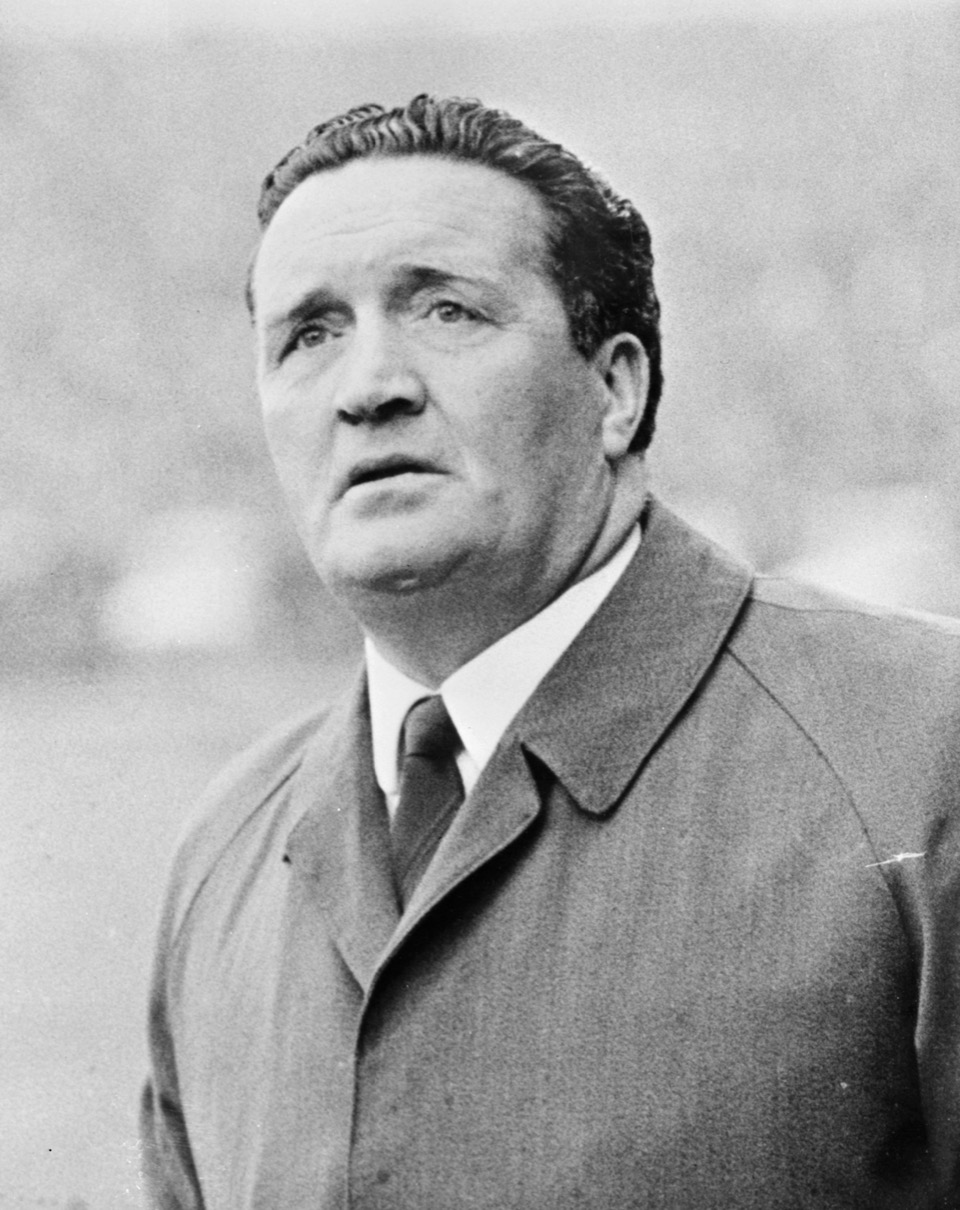
Jock Stein, manager Jock Stein of successful Scottish club Celtic. Once again the Glasgow side has taken the Scottish league Division One championships. 3 May 1968. Imago Photo Top Foto (The Celtic Star)
Football has always been a contest of intelligence, a battle of wits disguised as a game of 22 individuals. The greatest eras belonged to teams that read the picture quicker, adapted faster and acted with conviction. Stein understood it. Ferguson mastered it. Guardiola systemised it. Postecoglou, in his own way, applied it at Celtic. Intelligence has always separated the good from the great.
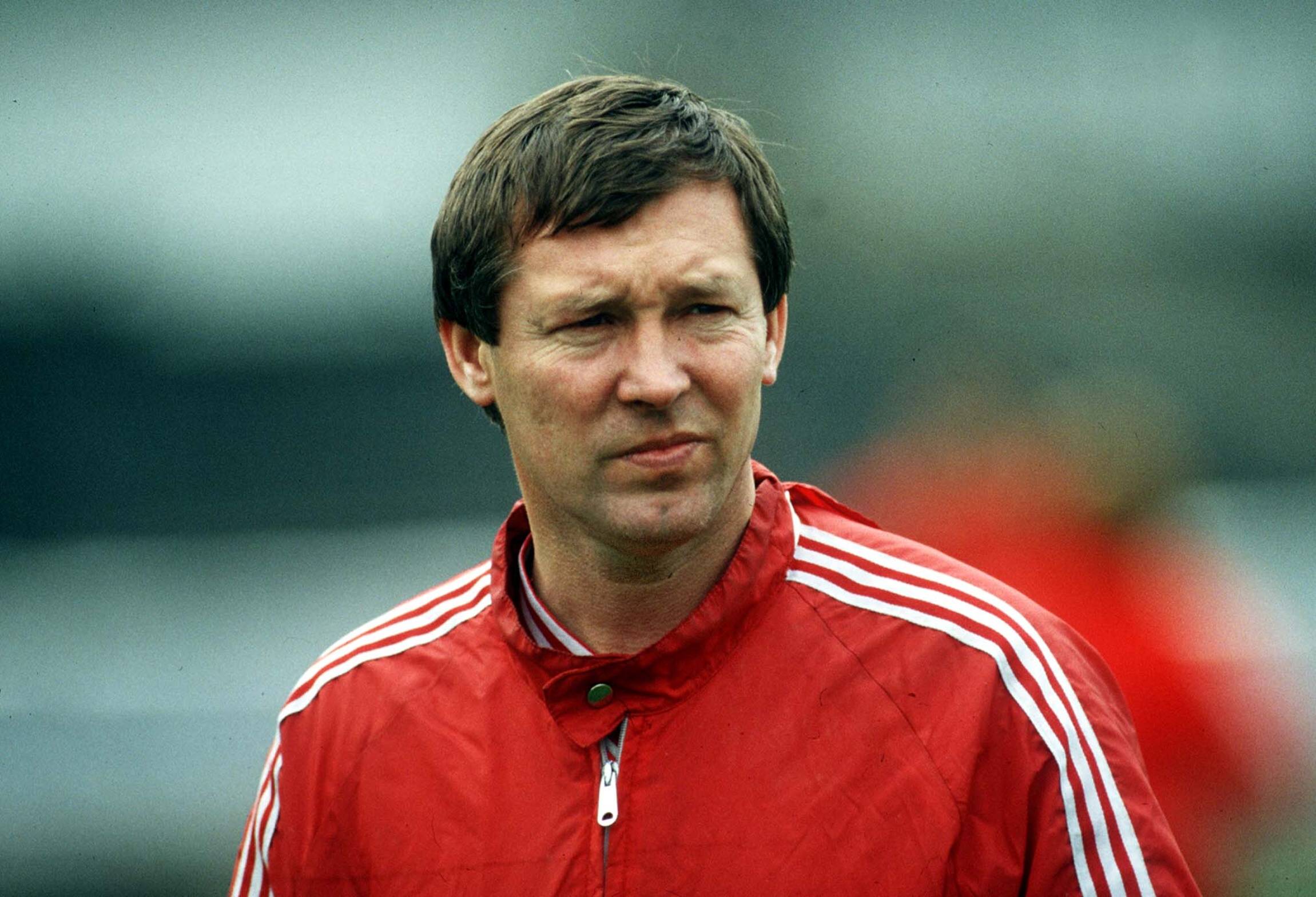
10 May 1983. Photo Imago Color Sports Alex Ferguson Aberdeen Manager, Aberdeen Training Session Winners Cup Final, 1983 Gothenburg
Now the sport is becoming digitised, and intelligence is expanding beyond tactics and culture into technology. Data. Analytics. AI. A new vocabulary, one Celtic did not choose but can no longer ignore. Yet the truth underneath the hype is clear, data alone has never delivered success. Celtic’s challenge is not adopting analytics, but using them with purpose, context and football understanding. This moment could define the club’s next decade, if Celtic recognise it.
The promise of analytics is seductive, sign smarter, reduce mistakes, find undervalued players before the market catches up. Brighton, Brentford and, painfully for Celtic, Midtjylland built reputations on this logic. But the myth that emerged, that data itself creates advantage, is wrong. Every innovation in sport follows the same pattern. In Formula 1, someone finds a breakthrough, dominates briefly, then the field catches up. Football analytics followed the same arc. Early adopters thrived. Others invested and closed the gap.

The Celtic Board. Celtic Champions 2025. Dundee United v Celtic, 26 April 2025. Photo Vagelis Georgariou (The Celtic Star).
Celtic resisted the shift, not out of stupidity but cost and caution. True analytics require sustained investment, staffing and cultural change. Celtic preferred incrementalism. Now the early adopters have already advanced into the next frontier, and Celtic are beginning a climb others started years ago. That makes this moment not optional but pivotal.

Wilfried Nancy, Head Coach of Columbus Crew SC, looks on during the MLS match between New England Revolution and Columbus Crew at Gillette Stadium on March 01, 2025 in Foxborough, Massachusetts. (Photo by Maddie Meyer/Getty Images)
Wilfried Nancy’s emergence as Brendan Rodgers’ likely successor has dragged the club’s internal workings into the open. Tisdale, until now operating behind Celtic’s customary curtain, is suddenly at the centre of the story. If Nancy is indeed his recommendation, this becomes the first major decision tied directly to him — and scrutiny will naturally follow.
Tisdale is far from a peripheral figure. He is, in practice, Celtic’s Director of Football, overseeing academy alignment, squad planning, data strategy and long-term development. Financial authority sits with others, for now, but the football intelligence, profile modelling and structural thinking flow through him.
This makes the coming months a genuine test. Nancy’s relational, fluid, positionally intelligent football requires an ecosystem around it, tactical analysis, psychological insight, data-backed planning and organisational clarity. His structures — whether 3-4-2-1 or 3-2-2-3 — cannot survive without alignment from boardroom to training pitch. If Celtic want Nancy’s football, they must build Nancy’s environment.

Matt O’Riley, Scottish Cup Final, June 2023. Celtic v Inverness Caley Thistle. Photo Geo (The Celtic Star)
One of the great misconceptions about data is that it makes decisions. It doesn’t. At genuinely intelligent clubs, analytics accelerate human judgement, validating instinct and exposing patterns. Matt O’Riley proved that balance, elite metrics, but more importantly, a clear fit for Celtic’s style and environment. Data indicated direction. Football intelligence confirmed the signing.
That balance, data sharpening judgement rather than replacing it, is where modern advantage lies. And Celtic must build the structure that supports it.
The clubs admired today like Brighton and AZ Alkmaar, are not successful because they use data, but because they integrate it deeply. Brighton recruit for pathways and projected development. AZ combine analytics with psychological profiling, ensuring players fit the environment as much as the system. This is not gimmickry. It is the next stage of football intelligence. And Celtic, with greater scale and resources, could implement these ideas more effectively than almost anyone — if they choose to.
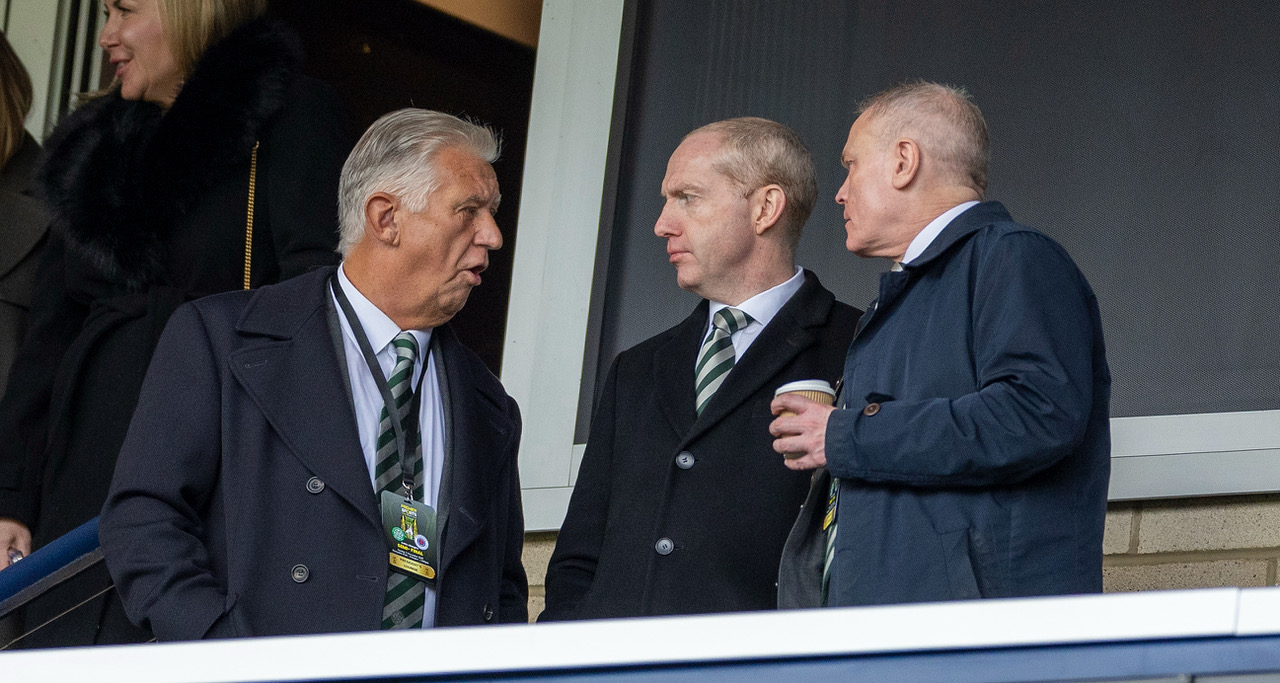
Peter Lawwell, Michael Nicholson and Chris McKay during the Premier Sports Cup Semi Final match between Celtic and Rangers at Hampden Park on November 02, 2025. (Photo by Ian MacNicol/Getty Images)
But choice is the challenge.
Analytics map nearly everything on the pitch but struggle with what happens off it, leadership, pressure, adaptability, communication, dressing-room chemistry. These traits, once considered intangible, are turning out to be decisive. Modern performance science shows personality compatibility is a major predictor of consistency. This is football’s last great inefficiency, and Celtic could exploit it to leapfrog, not merely catch up.
The biggest obstacle is not technology but culture. Celtic have modernised cautiously, one consultant here, one tweak there, always building in half-measures. The mindset that “what worked before will work again” lingers. But football does not reward stasis.
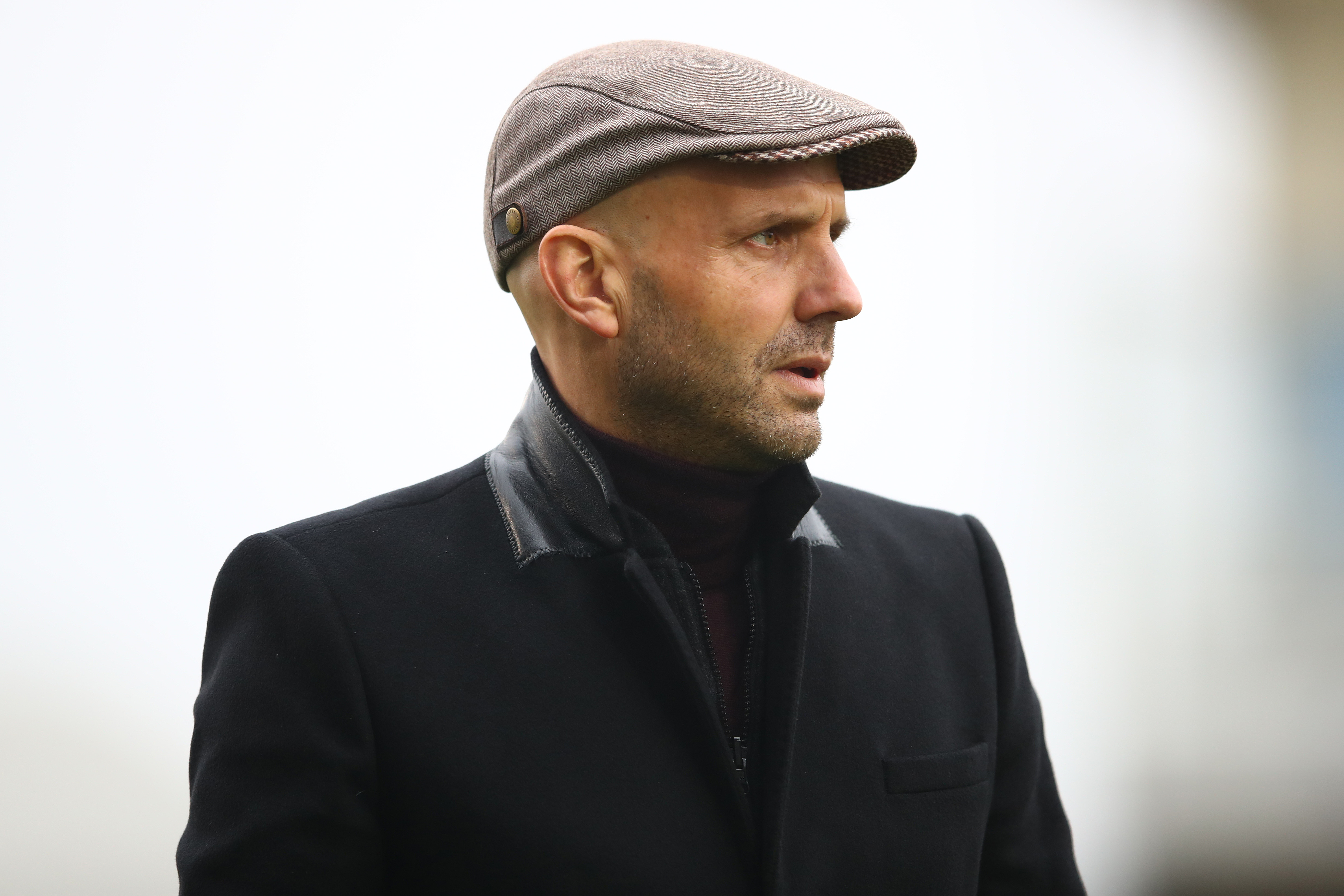
Paul Tisdale the manager of Bristol Rovers looks on during the Emirates FA Cup Second Round match between Bristol Rovers and Darlington FC at the Memorial Stadium on November 29, 2020 (Photo by Michael Steele/Getty Images)
Tisdale cannot transform Celtic alone. Modern football requires departments, expertise and shared vision. Structural ambition, not just managerial ambition, is needed. And that responsibility lies squarely with the board.
Celtic possess every advantage needed to become a leader in football intelligence, resources, scale, support, global appeal and a platform other clubs envy. If the club modernises now, if Tisdale is empowered to build a true football-intelligence department and Nancy receives the tools his ideas require, Celtic can leap forward rather than merely reduce the gap.
Which brings us back to Tisdale. Whether by design or circumstance, he is now front and centre. His name, once barely mentioned, is suddenly tied to a significant decision. Someone inside Celtic clearly wants him visible, but the reason remains unclear.
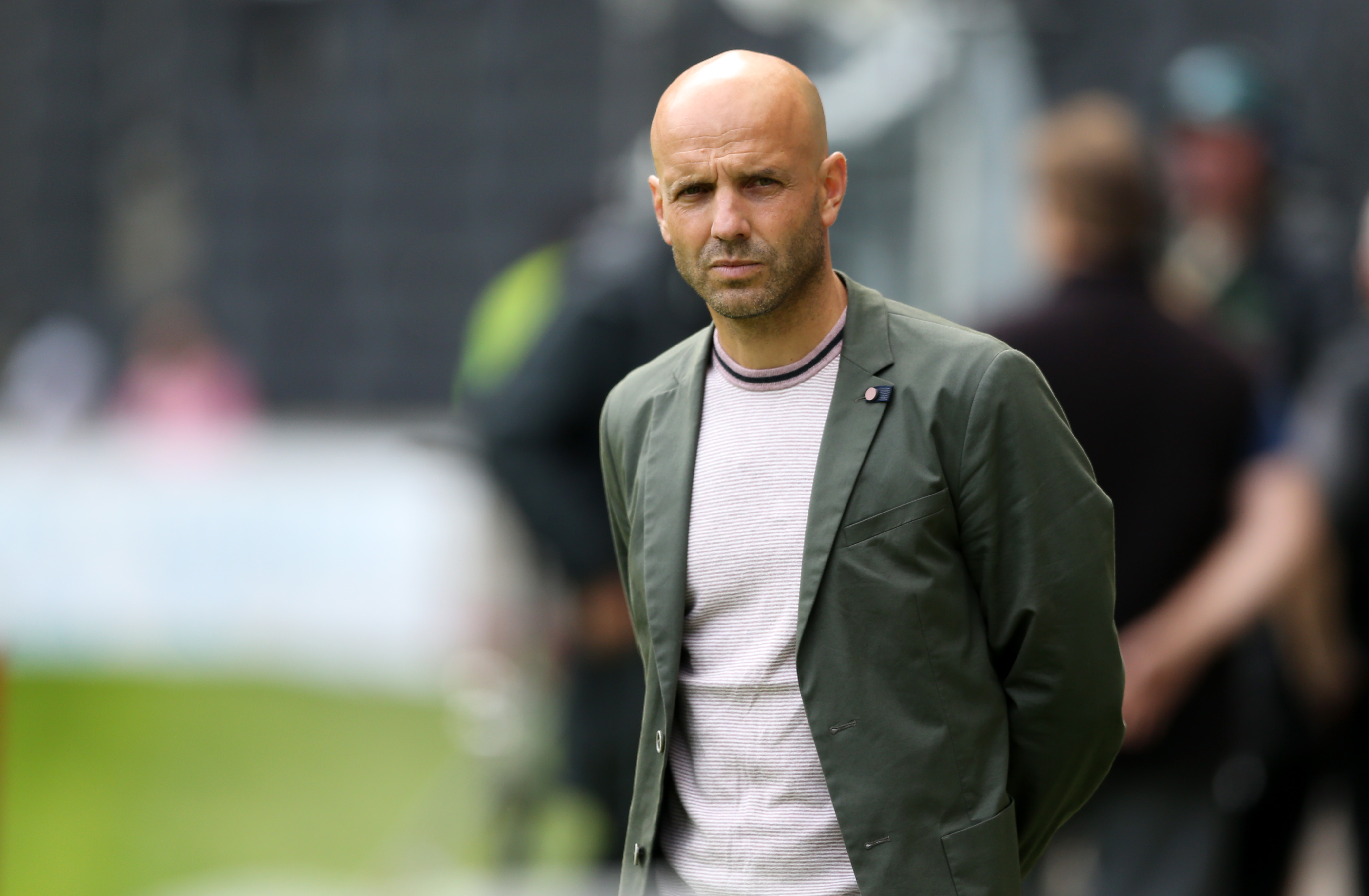
Paul Tisdale manager of Milton Keynes Dons during the Sky Bet League One match between Milton Keynes Dons and AFC Wimbledon at Stadium mk on September 07, 2019 (Photo by Paul Harding/Getty Images)
Is it convenient? A temporary buffer during turbulence? A way to present coherence while buying time? Celtic have history in elevating individuals only to leave them exposed.
But perhaps it is the opposite. Perhaps Tisdale is visible because he is genuinely shaping Celtic’s future. Perhaps this is the beginning of a football-first identity, a structure that survives managerial changes, a club willing to trust a thinker rather than a firefighter.
Convenience or conviction, the answer will reveal itself soon enough. If Nancy arrives backed by a modernised department, the direction will be unmistakable, if not, this brief visibility will fade as quickly as it appeared.
Tisdale is either the architect of Celtic’s next era — or a shield in another period of drift. The coming weeks will tell us which.
Niall J



CELTIC STAR BOOKS OFFFER – BUY ONE GET ONE FREE!
Order David Potter’s final Celtic book, ‘Celtic in the Eighties’ and you’ll receive a copy that has been personally signed by legendary Celtic captain Danny McGrain. Plus you’ll also receive a complementary copy of Willie Fernie – Putting on the Style! Order Celtic in the Eighties at Celtic Star Books and we’ll do the rest. Please note that postage will only be charged on one book but you’ll receive both!

-

- Celtic in the Eighties by David Potter, personally signed by Danny McGrain
-

- Willie Fernie – Putting on the Style by David Potter